Primary care physicians are on the front lines of patient care and education. Having a few go-to-resources to answer frequently asked questions about common therapeutics and vaccines can save them time in the exam room and boost patients’ concordance with care plans.
The JAMA Network® has published Patient Pages since 1998 to distill high-quality evidence and make it more accessible for patient education and help guide patient decisions. Patient Pages provide a basic definition of the condition or issue, along with symptoms, consequences, diagnosis, treatment and prevention. These resources, illustrated by JAMA medical illustrators, are always freely accessible online.
As part of a series of news articles curating these outstanding resources, the AMA is highlighting free, recently published Patient Page resources of highest relevance to internists and other physicians. This article highlights resources relevant to medications, including why and how they may be administered or used.
AMA members can explore a range of peer-reviewed research and clinical information published by the JAMA Network, which brings JAMA® together with JAMA Network Open and 11 specialty journals. Published continuously since 1883, JAMA is one of the most widely circulated, peer-reviewed, general medical journals in the world. If you are a member or interested in becoming one, learn how to access these educational materials and innovative tools.
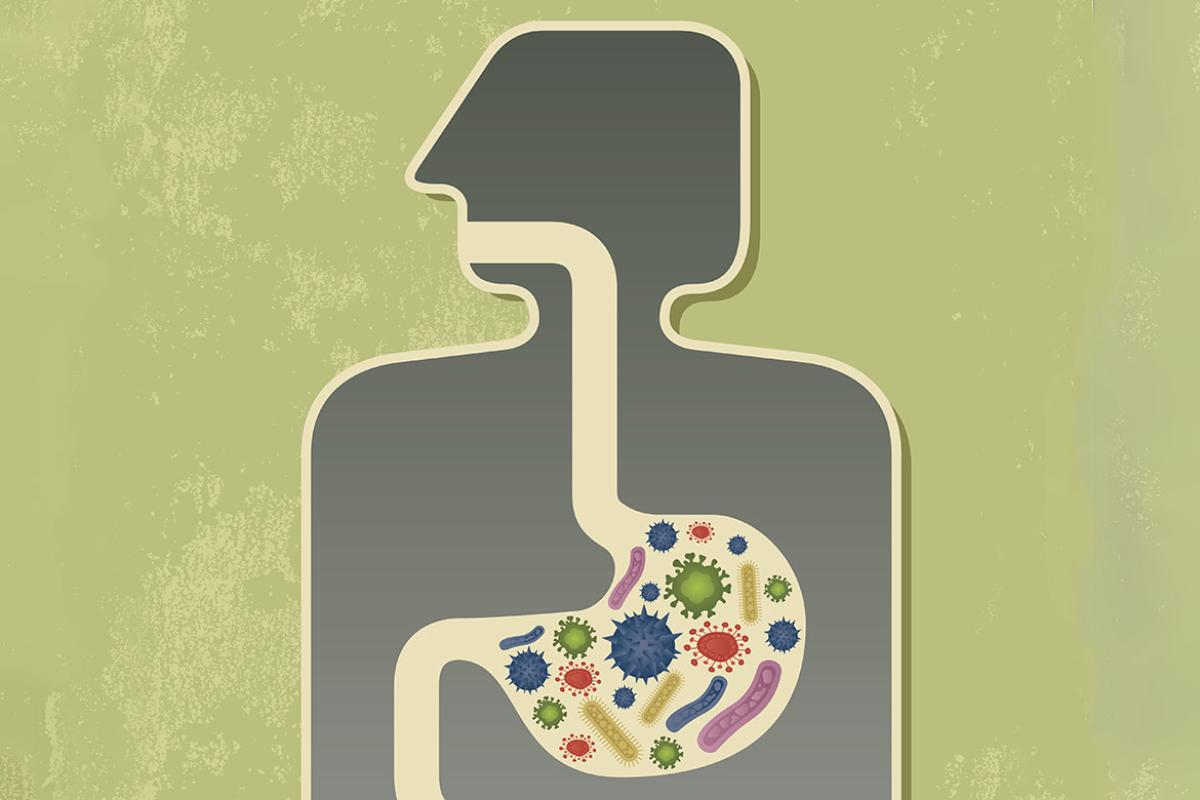
“What Is Antimicrobial Resistance?”
- This JAMA Patient Page describes antimicrobial resistance, its risk factors and how to decrease the spread of antibiotic resistance. From the Patient Page: “Antimicrobial resistance is the ability of germs to evade the treatment effects of antimicrobial drugs.
- “Antibiotics are important, often lifesaving medications, but their overuse has contributed to antimicrobial resistance, which is increasing globally. In the U.S., nearly 3 million people are diagnosed with antimicrobial-resistant infections every year.”
“What Should I Know About Injectable Weight-Loss Medications?”
- This JAMA Internal Medicine Patient Page describes how to use injectable weight-loss medications as well as their risks and benefits. From the Patient Page: “Millions of people have health problems related to excess weight. These include diabetes, high blood pressure and heart disease. As little as 5% to 10% weight loss can improve health.”
- The Patient Page notes that while healthy eating and regular physical activity can aid in weight loss, “many people cannot lose weight and/or stay at a lower weight with diet and exercise alone. In these cases, weight-loss medications can be effective.”
“I Am Taking a GLP-1 Weight-Loss Medication—What Should I Know?”
- This JAMA Internal Medicine Patient Page describes how glucagon-like peptide-1 (GLP-1) receptor agonists work and what behaviors to adopt while using them. From the Patient Page: “Glucagon-like peptide-1 receptor agonists (semaglutide [Wegovy, Ozempic, Rybelsus]) and dual incretin agonists (tirzepatide [Zepbound, Mounjaro]) are medications that reduce food cravings, increase fullness, slow digestion and can help control blood glucose. They are popular treatments for obesity.”
- For the most benefit and fewest side effects, it details a “MEAL” plan, focused on:
· Muscle maintenance.
· Energy balance
· Avoiding side effects.
· Liquid intake.“I Need Supplemental Oxygen—What Should I Know?”
- This JAMA Internal Medicine Patient Page describes when supplemental oxygen is needed and how to get started with using it. From the Patient Page: “Oxygen is necessary for life and health. When we breathe, oxygen from the air enters our blood. When blood oxygen levels are too low, it can damage the heart, brain and muscles. Certain health conditions, like chronic lung or heart diseases, can prevent enough oxygen from entering the blood. In those cases, some people may need extra, or supplemental, oxygen.”
- The Patient Page also addresses patients’ concern about addiction: “Supplemental oxygen is not addictive and will not weaken your lungs. Sometimes supplemental oxygen is needed temporarily while you recover from an illness. Other times you may need it longer. Oxygen needs can change depending on your health. Use oxygen as prescribed and reassess needs with your health care professional.”
“Polypharmacy and Deprescribing”
- This JAMA Patient Page describes the problem of polypharmacy and its consequences, and how deprescribing can reduce polypharmacy. From the Patient Page: “Polypharmacy is the excessive or unnecessary use of medications.”
- The Patient Page explains who is commonly affected: “Polypharmacy can affect anyone but is most common in older adults. Other risk factors include having more than one doctor prescribing medications, having chronic mental health conditions and living in a long-term care facility.”
“What Should I Know About Medication Deprescribing?"
- This JAMA Internal Medicine Patient Page further describes the process of slowly and carefully cutting down on unnecessary medications with the guidance of a health care professional. From the Patient Page: “It is common for people to be prescribed many medications and also to take over-the-counter treatments, vitamins or supplements. Medications are often started for a good reason, but sometimes they are continued when they are no longer helpful and may cause adverse effects. Slowly and carefully cutting down on unnecessary medications with a health care professional is called deprescribing.”
- The Patient Page also summarizes the benefits of deprescribing: “Taking fewer medications can make people feel better for several reasons. Getting rid of unnecessary medications lowers the number of pills you have to take every day. Eliminating extra pills may save you money. Taking fewer pills may increase your ability to reliably take the medications that do provide benefit. Deprescribing might decrease the risk of dangerous adverse effects and improve your quality of life.”
In addition to the Patient Page feature, here are other ways physicians can leverage resources from the JAMA Network to help them in their clinical practice:
- Take CME courses and earn AMA PRA Category 1 Credit™.
- Fulfill maintenance of licensure (MOL) and CME requirements on JN Learning™, the home for all JAMA Network CME.
- Read concise summaries of clinical guidelines and recommendations in a format designed for today’s busy physicians.
The subscription cost of JAMA is included with your AMA membership, plus unlimited digital access to all JAMA Network journals, including JAMA Cardiology, JAMA Dermatology, JAMA Internal Medicine, JAMA Network Open, JAMA Neurology, JAMA Oncology, JAMA Ophthalmology, JAMA Otolaryngology–Head and Neck Surgery, JAMA Pediatrics, JAMA Psychiatry and JAMA Surgery.
The journals include many helpful features for students, residents and fellows, including full-text PDFs, clinical challenges, archived editions, audio and video author interviews where authors give their perspectives on a study’s objectives, findings and implications.