If you’ve ever had chickenpox, then the virus that causes shingles is present in your body and can resurface at some point in the future. Find out more.
Newly published AMA survey findings underscore the disruption and severe impact of shortages on physician practices—and patient outcomes.
This boot camp focuses on time-saving tools and strategies to reform organizations and enhance professional satisfaction and well-being.
The AMA provides regulatory clarification to physicians and their care teams in an effort to aid physicians in their day-to-day practice environment.
Stay up to date on the innovative projects and outputs from the AMA ChangeMedEd® initiative.
In support of our work to catalyze innovation in medical education, the AMA's efforts and focus have entered an important new phase. Learn more.
There is a pathway to a successful Match after a first-attempt failure on USMLE Step 1 or 2. Learn more with the AMA.
Find information about the responsibilities and terms of service for the student member position on the WPS Governing Council and how to apply.
Feeling connected and valued could make a difference in training outcomes. How can leaders foster more belonging in residency programs?
Food insecurity has been shown to be a struggle among residents and fellows. Find out how Geisinger is tackling the problem.
Significant wins for patients, physicians in Consolidated Appropriations Act of 2026, and more in the latest National Advocacy Update.
AMA opposes West Virginia bill that would expand APRN and physician assistant scope of practice, and more in the latest State Advocacy Update.
This AMA ChangeMedEd® webinar will provide an overview of the Transforming Lifelong Learning Through Precision Education grant projects. Register today!
The International Conference on Physician Health will be held Sept. 28-30, 2026. Learn more.
Download and review the PDF list of pending reports from the Board and the councils, and submit comments and feedback.
The House of Delegates (HOD) includes well over 600 voting delegates. Download the PDF for delegate apportionment for the AMA Annual and Interim Meetings.
Download the PDF to read the rules and regulations that guide the AMA to uphold its mission to promote the art and science of medicine and the betterment of public health.
Download PDFs of reports on this topic from the Council on Medical Education presented during the AMA Interim and Annual Meetings.
Get involved in the AMA Women Physicians Section (WPS), working to raise the number of women physicians in leadership roles.
Take on a leadership role in the RFS and make an impact on issues facing residents and fellows, patients and the medical profession.
In the news: Measles spread threatens elimination status in U.S., Congress passes funding bill with significant health care legislation and more.
These JAMA Patient Pages give easy-to-understand explanations of how many common preventive measures and also chronic and curative treatments work.
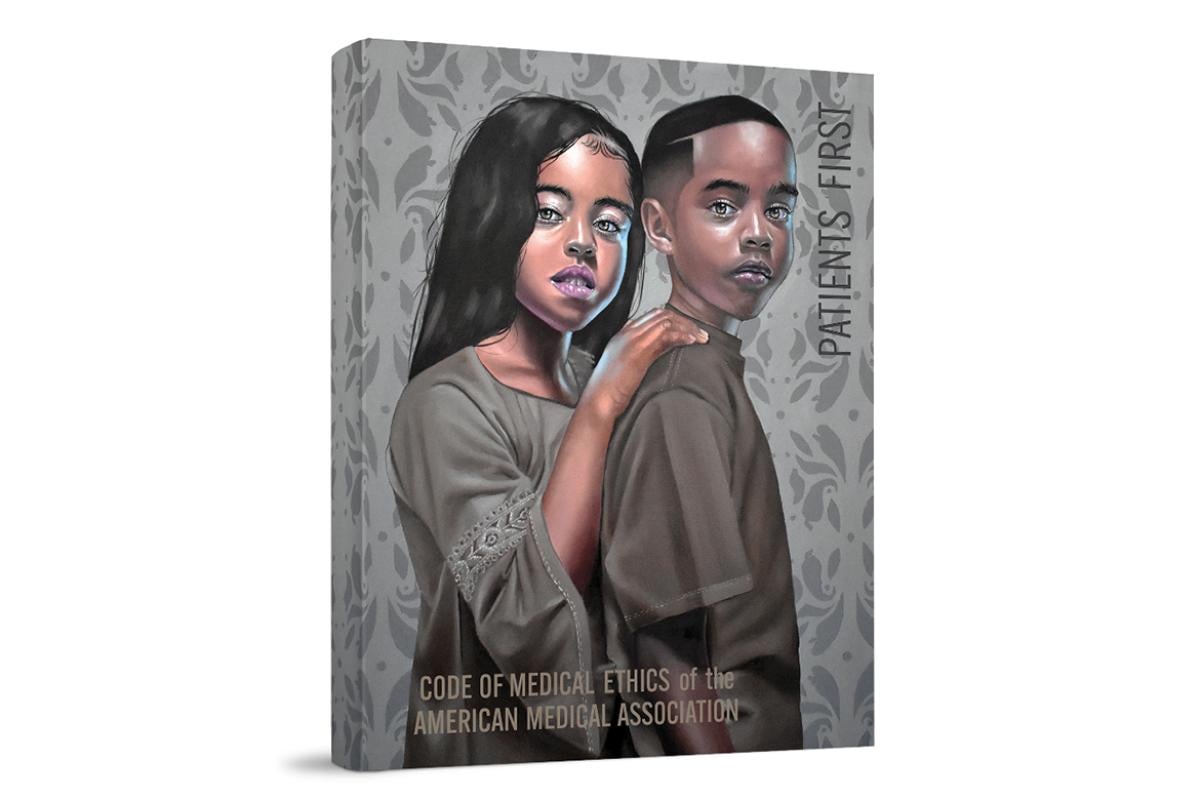
Medical ethics provide physicians a moral framework for the practice of clinical medicine. Here's how the AMA is promoting awareness of, and adherence to, medical ethics.
Physicians who are involved in international research may need to address special concerns.
Physicians have an ethical obligation to preserve the confidentiality of information gathered in association with the care of the patient.
Physicians who speak on health-related matters on behalf of organizations should be aware of to institutional guidelines for communicating with media.
It can be appropriate, in certain situations and with special safeguards, to provide experimental treatment without a participant’s informed consent.
No matter what medium is used, patient care recording poses challenges for protecting patient autonomy, privacy, and confidentiality.
Used appropriately, a placebo control can provide valuable data, particularly when there is no accepted therapy for the condition under study.
With respect to genetic research, patenting raises unique ethical questions.
Audio or visual recording of patients can be a valuable tool, but physicians must balance educational goals with patient privacy and confidentiality.
When individuals who are not involved in providing care seek to observe patient-physician encounters, physicians should safeguard patient privacy.