Joshua Crabtree, MD, has seen the awkwardness that can present itself when health systems merge. Dr. Crabtree, a family doctor and chief physician at Sanford Health, likened the first interactions between two newly joined organizations to those between a group of awkward teenagers.
"It looked like a junior high dance," he joked, "like the girls were over here and the boys were over there."
That notion of physicians and other health professionals staying with the people they know and not interacting with new colleagues from a different health system is understandable. But according to Dr. Crabtree, that awkwardness has not existed at Sanford Health since its recent merger with Marshfield Clinic Health System.
The reason, he said, is thanks to cultural alignment, physician integration, and ensuring the well-being of teams and physicians during the merger. Sanford Health and Marshfield Clinic Health System completed their merger in early 2025.
Sanford Health and Marshfield Clinic Health System are both part of the AMA Health System Member Program, which provides enterprise solutions to equip leadership, physicians and care teams with resources to help drive the future of medicine.
Building on shared cultures
Sanford Health is the largest rural health system in the U.S. and provides care to patients throughout South Dakota, North Dakota, Minnesota, Iowa, Wisconsin, Wyoming and the upper peninsula of Michigan. The organization has more than 55,000 employees, 56 hospitals and two fully integrated health plans.
The Marshfield Clinic region of Sanford Health will continue providing care to communities in Wisconsin and northern Michigan.
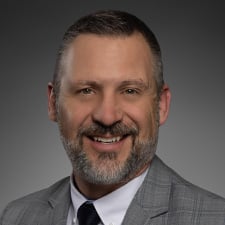
"Health care in general has challenges, and I would say that rural health care delivery has a unique set of challenges," Dr. Crabtree said. "When you're challenged, you look for ways that you can work together. How can we partner with others to help us achieve our goal of delivering exceptional care in rural spaces? That's what set the stage for the merger and why it seemed to make sense."
Samantha Klebe, DO, an internist and chief physician for the Marshfield Clinic region of Sanford Health, agreed.
"We naturally came together from our mission, vision and values, and because of the people who we serve," said Dr. Klebe. "It felt like a very natural progression."
Part of that natural feeling stems from similar cultures—and desires for what their organizational cultures should strive to be. Prior to the merger, a number of physician residents and fellows from Marshfield Clinic Health System ended up working at Sanford Health, Dr. Klebe said.
Sanford Health is focused on giving back to the communities it serves—both financially and through educational opportunities—while ensuring patients get the care they need to live an active, healthy life.
"The people who came to work at Marshfield previously and the people who came to work at Sanford previously had similar desires," Dr. Crabtree said. "They had desires to live in similar geographies, they came from similar training programs, so their ideas about how we take care of patients were similar. From a cultural standpoint, we were fairly aligned already."

Keeping physicians top of mind
A crucial element of the merger has been an emphasis—and sometimes an overemphasis—on communication with physicians to make sure they feel heard and are engaged in the integration process. Organization leadership, including new regional president and CEO Brian Hoerneman, MD, routinely holds town hall sessions and private meetings to answer team member questions.
"We have open forums for questions and answers so people are able to bring whatever questions they have, and we're answering them in real time," Dr. Klebe said. "It lets people know that we want to address anything that they have concerns on."

She also mentioned that it's been important to demonstrate to physicians and care teams throughout the health system that leadership is present, available and interested in communicating with them.
"That sometimes can be a hard point for frontline physicians who think leadership doesn't care or they may not be available to answer questions," Dr. Klebe said. "We've made sure to have a concerted effort to combat that."
Dr. Crabtree also credited Dr. Klebe and Dr. Hoerneman for their openness and transparency throughout the integration process.
"They have gone above and beyond to make themselves available to clinicians at all levels in the organization and allay any fears that might be there," he said. "If we don't have answers, it can create anxiety, and they've done a great job to be available and answer questions so we can limit the unknowns and hopefully limit the anxiety."
For Dr. Klebe, a key component of making physicians feel included is delivering a broad communications strategy that recognizes not everyone internalizes information the same way. Her goal is to meet the Sanford Health team members where they are to make sure they know their perspective is valued and appreciated.
"Not everyone reads emails, not everyone comes to meetings," she said. "Overcommunication is probably the best communication at this point. Some of the physicians are tired of hearing from me, but I'd rather have it that way than anyone feeling like they've missed out on an opportunity."
Ensuring physician well-being
Dr. Crabtree has been affiliated with Sanford Health for more than 23 years. During that time, he's been proud to see how the organization prioritizes physician well-being as part of a larger focus to keep employees happy and healthy.
"We are engaging our clinicians in a life cycle of employment, from the time that we start recruiting them to the time they retire," he said. "We want to make sure our retention strategy is that they feel valued and part of this organization."
To do that, Sanford Health offers a range of resources to its physicians, from mental support in times of stress to financial guidance for understanding loan payment policies.
The organization also prioritizes physician feedback, another example of its focus on helping physicians feel valued and appreciated. Sanford Health hosts listening sessions, town halls, and meetings at the service line and regional levels to understand what physicians and care teams are looking for in terms of support from the health system.
Dr. Crabtree also said physicians are routinely asked to share thoughts on additional resources they would like to see and provide opinions on how to improve already existing programs.
"What is it that you need? Can we help? Are there things that we're not offering or supporting you with that we could do differently?" he said. "We're always willing to do better if there are areas where we can offer more resources.”
It's been less than a year since the merger concluded, but both Dr. Crabtree and Dr. Klebe are encouraged by the health system's operations to date. Looking forward, they want to continue seeing smooth integration between the two former legacy organizations.
"If you were a stranger walking into our annual clinician leadership meeting, I don't want you to know where the Marshfield group and the Fargo group and the Sioux Falls group start and stop," Dr. Crabtree said. "My hope is they will be all intermixed at tables building new relationships. That would be a sign to me that our integration efforts have been successful."
As the leader in physician well-being, the AMA is reducing physician burnout by removing administrative burdens and providing real-world solutions to help doctors rediscover the Joy in Medicine®.