The complexity of caring for patients in rural areas—often far from hospitals, clinics and physician offices—are legion. But at the upcoming Sanford Health Summit on the Future of Rural Health Care, physicians and other experts hope to inspire and stimulate those working hard to address rural health inequities.
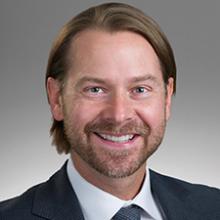
“Our theme this year is advancing access, quality and sustainability, because those are the most pressing needs of rural communities,” said David Newman, MD, chief medical officer of virtual care at Sanford Health, which is convening the event and offering a livestream of all the programming.
Sanford Health is a member of the AMA Health System Program, which provides enterprise solutions to equip leadership, physicians, and care teams with resources to help drive the future of medicine.
South Dakota-based Sanford Health is the largest rural health system in the U.S., serving more than 2 million patients a year in a largely rural area encompassing 250,000 square miles.
Dr. Newman, an endocrinologist, said the event will be “solutions-focused” and highlight the kind of creative thinking required when it comes to providing health care in rural areas.
“We have to think differently. What we do will not change, but how we deliver care must. In rural America, it’s really about innovating out of necessity,” he said.
The fourth annual Sanford Health Summit on the Future Rural Health Care will take place Oct. 14 at the Sanford Barn in Sioux Falls, South Dakota. Learn more and register now for the virtual event.
Homing in on creative solutions
The daylong summit is now in its fourth year and drew more than 2,500 people to its livestream last year.
Dr. Newman said that speakers were selected to provide a well-rounded approach to solving the rural health care puzzle.
“We have a star-studded cast that will give you immediate, high-quality value in six hours. Every single panel has experts from not just health care, but technology, government, academia and business,” Dr. Newman said. “What really sets us apart is we put voices from all different sectors on the stage at the same time so they can all hash through solutions.”
“We bring together leaders from not only from rural health care systems but from urban health care systems because we believe we all have something to learn from each other,” he added.
The list of featured panelists includes:
- AMA President Bobby Mukkamala, MD.
- Amy McDonough, managing director of strategic health solutions for Google.
- Rick Pollack, president and CEO of the American Hospital Association.
- Emily Barey, RN, chief nurse evangelist for Epic.
Learn more with the AMA about five keys to fixing America’s rural health crisis.
How to meet rural health challenges
Census data shows that more than 65 million people live in rural areas in the U.S.—20% of the population, yet only 9–10% of physicians practice in rural areas. In the U.S. in 2022, there were nearly three times as many active physicians per 100,000 people in urban areas as there were in rural areas. Among specialists and subspecialists, the gap is even starker: Urban areas have seven times as many cardiologists and anesthesiologists, and eight times as many dermatologists and gastroenterologists as rural areas do.
Meanwhile, nearly 70% of counties in the U.S. do not have a psychiatrist.
Statistically, rural residents tend to be older, poorer and sicker than their counterparts in urban or suburban areas. Rural residents also are likelier to die from unintentional injuries, heart disease, cancer, stroke and chronic lower respiratory disease than those in urban areas.
There are many reasons why it can be more difficult for people in rural areas to access health care, including long driving distances and a shortage of physicians.

There are not enough physicians and other health professionals “in rural America, and the shortage is even more acute for subspecialists,” Dr. Newman said. “So, we have to get innovative in how we get people in to see their subspecialists, how we get people in to see mental health [specialists], while still delivering high-value care.”
Rural patients in far-flung locations therefore often rely on telehealth. Hence, the benefits and challenges of technology will be a key focus of the summit, Dr. Newman said.
“Many other conferences also talk about technology. But we go deeper by talking about the solutions that actually work and are scalable, and we're also not shy to talk about the failures and how we fail fast,” he said. “We're really focused on how health care and technology can partner. We don't want technology always being the first solution.”
Ultimately, he said, rural health solutions must be holistic in their approach and must take the well-being of physicians, other health professionals and patients into account.
“We want happy doctors. We want happy nurses. We want happy patients,” Dr. Newman said. That goal prompts very serious questions that will be covered at the summit. These include: “How can we decrease burnout in rural America? How can we not just solve for access, quality, sustainability, but also bring the joy back to being in health care?”
Learn more with this 2024 AMA Leadership Viewpoints column that details why improving health in rural areas is within our collective reach.