This first‑of‑its‑kind, open-access tool uses real‑time data to reveal where mental health and substance use disorder care falls behind physical health care. Learn more.
AMA collaborates with West Side United (WSU) in addressing health inequity in 10 neighborhoods on Chicago’s west side.
Learn more about upcoming events offered by the AMA STEPS Forward® Innovation Academy. Topics include physician well-being, organizational workflows and more.
Enjoy this vast collection of past events from the AMA STEPS Forward Innovation Academy, all open-access and categorized by year.
A framework for educators and administrators who create programs for coaching medical students—view videos, purchase books or download directories of workshop participants.
The goal of the Reimagining Residency grant program is to transform residency training to best address the workplace needs of our current and future health care system.
In preparing for residency interviews, medical students should keep in mind that conversations with potential future peers carry considerable weight.
Get answers to frequently asked questions about the AMA Research Challenge Poster Symposium & Semifinals.
What is the Repayment Assistance Plan? Does it affect federal loan assistance? Get essential loan-repayment insights for medical student borrowers.
Use this data from Resolve to dig into physician pay contract trends, including the biggest base salary jumps and bonus hotspots.
Stay informed with top advocacy news and essential updates on key national and state issues impacting physicians, patients and the healthcare environment in October 2026.
Cybersecurity starts with you: Recognizing National Cybersecurity Awareness Month and more in the latest National Advocacy Update.
For a limited time this fall, UWorld is offering exclusive product discount codes to members of the AMA. Don’t miss this opportunity to access exclusive savings.
Grow your career and expand your professional networks at the AMA Career Resources event happening during the 2026 Interim Meeting.
Download a PDF or watch video instructions to use the app during Annual or Interim Meetings for comprehensive information about activities and events.
Review the agenda and schedule of events for the 2026 HOD Interim Meeting at the Walt Disney World Swan and Dolphin Resort, Orlando, Florida.
The Council on Long Range Planning and Development (CLRPD) works on projects based on actions of the AMA House of Delegates or Board of Trustees.
The council investigates general ethical conditions and all matters pertaining to the relations of physicians to one another or to the public, and make recommendations to the House of Delegates or the constituent associations through the issuance of reports.
View election details for the Integrated Physician Practices Section Governing Council.
Making the rest of 2026 count, the role of sponsorship in our lives, the Joan F. Giambalvo Fund for the Advancement of Women and an October challenge.
Find contact information for AMA senior leadership and management staff.
View the individuals responsible for managing the day-to-day operations of the organization.
UME Innovations highlights leading edge trends in UME education. Find out more about innovations happening in UME education on the AMA.
Medical educators can use these recorded programs to teach about tough cases and critical issues, all while med students walk, cook or do the laundry.
Students at the Mayo Clinic School of Medicine are exploring the world of health care innovation happening in private firms.
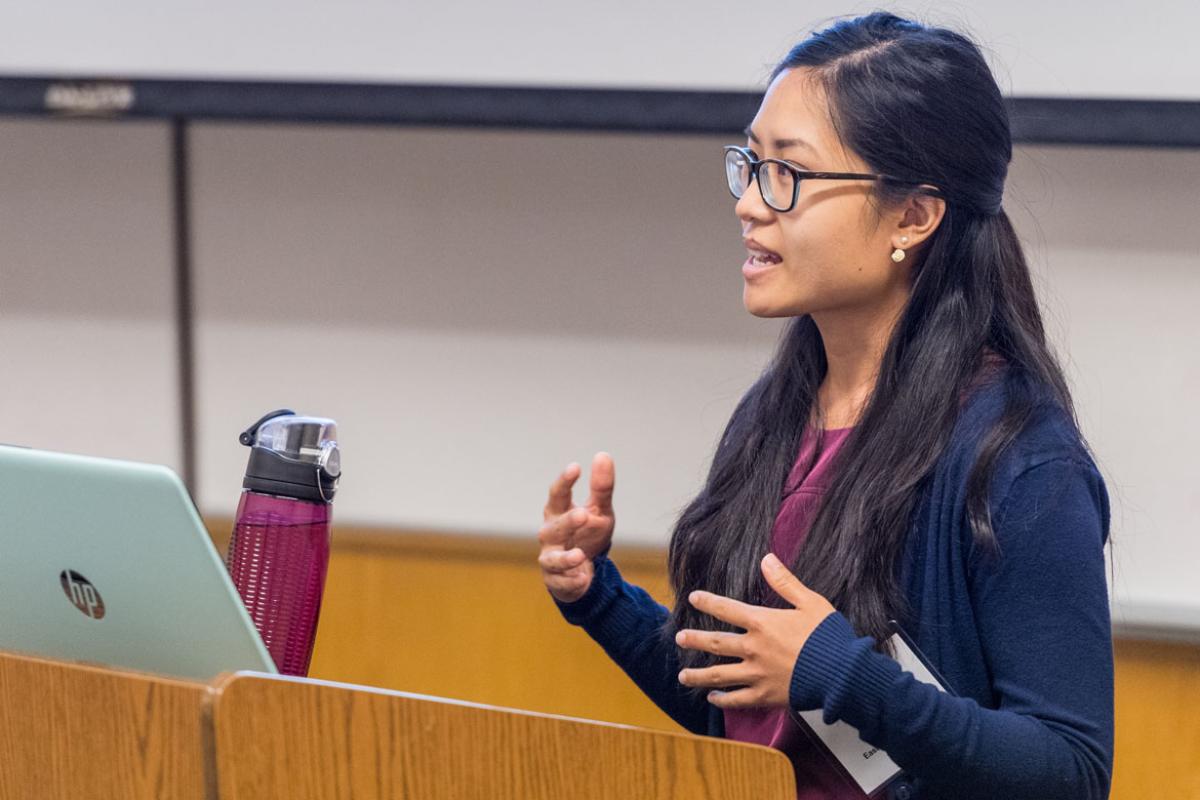
Students at Eastern Virginia Medical School have created nutrition modules that equip medical students to provide cooking and exercise classes to patients.
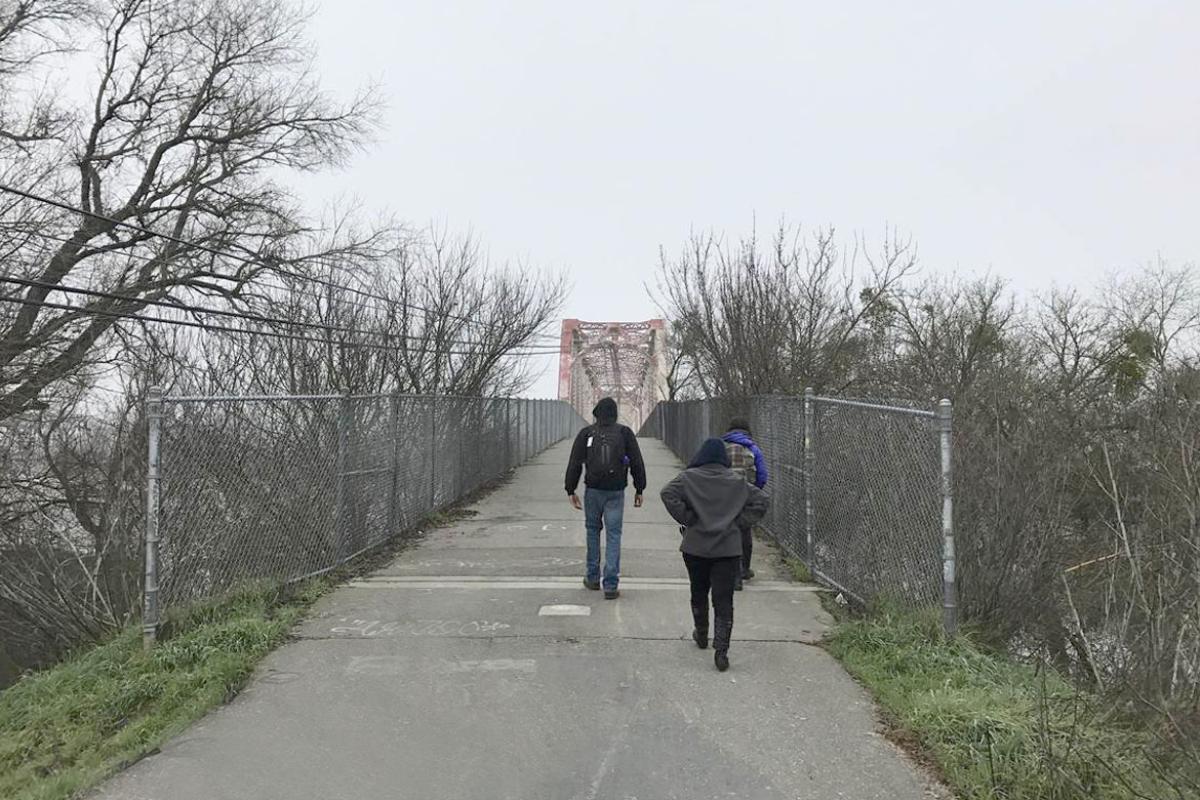
UC Davis med students are working to bridge the gap in health care to homeless individuals by bringing the clinic to them.
Population-health expert David Nash, MD, says it is time for medical schools to help “retool the factory floor for the future.”
Addressing health’s social determinants means confronting the reality that a patient’s health is not treated exclusively within an office setting.
A better understanding of data and the social determinants of health can help tomorrow’s physicians improve health at the community level.
A new textbook helps physicians-in-training understand how systems can contribute to medical errors and how to handle such incidents and near misses.
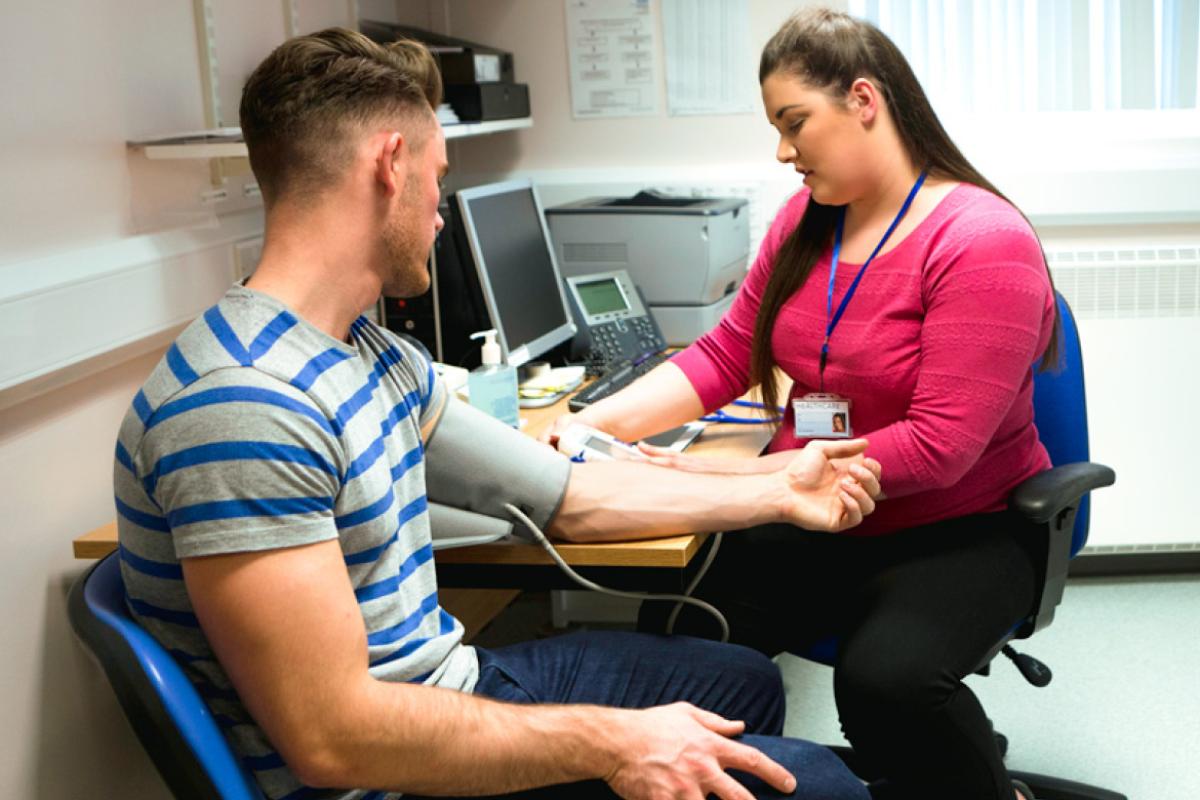
A recent study found that, when tested, medical students correctly performed less than half of skills needed to obtain proper blood-pressure readings.