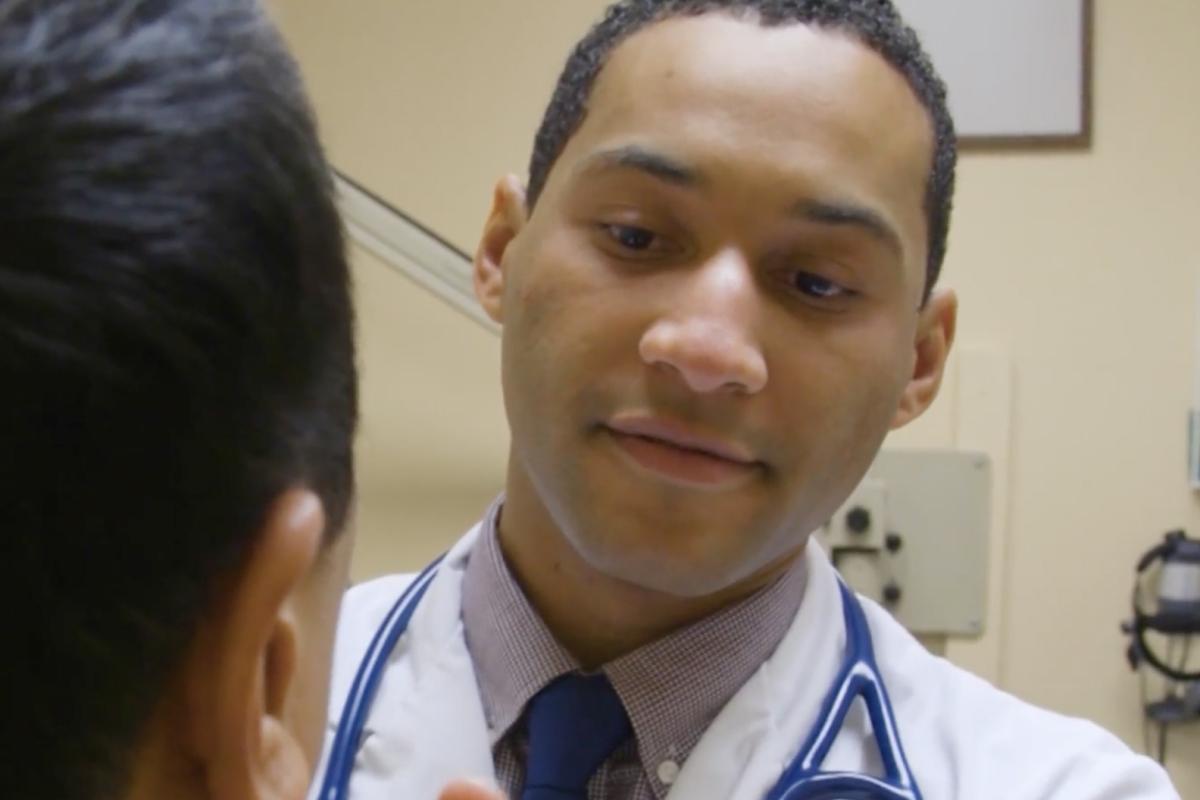
The UMAS Community brings members together to shape medical education and the practice of medicine. Learn more about the community on the AMA.
Leveraging strategic partnerships will empower physicians and medical students to reduce health disparities according to Rep. Robin Kelly, chair of the Congressional Black Caucus (CBC) Health Braintrust.
When we started the cancer center in Gallup, the heart of Native American country, we were committed to providing culturally appropriate care. However, it’s easy to feel overwhelmed by the need for cultural competence to reduce health care disparities.
A Google Hangout featuring academic physicians and students Monday took a close look at how medical schools are taking on two huge challenges: addressing health disparities and focusing on diversity in how they train physicians.
The U.S. Department of Health and Human Services’ (HHS) Office of Minority Health last week announced $3.2 million in grant awards to 13 organizations for supporting health coverage enrollment of racial and ethnic minorities.
Eleven outstanding medical students from across the country were announced earlier this month as recipients of Minority Scholars Awards from the AMA Foundation.
During Mental Health Month, observed each May, the AMA Minority Affairs Section encourages all physicians to recognize and work to address the racial and ethnic disparities that exist in mental health care.
How should physicians of the future eliminate health care disparities and deliver the best patient care? Some schools are beginning to address this weighty question by focusing on the unique needs of underserved populations, workforce diversity and population health.