With poor nutrition as a leading risk factor for premature death in U.S., some physicians are taking an innovative approach to prevention and care: culinary medicine.
Culinary medicine is applied nutrition that offers patients practical and personalized guidance on how to improve their diet to support better health.
“It’s a new evidence-based tool in our doctor's kit that empowers the patient,” said Linda Shiue, MD, director of lifestyle medicine and culinary medicine at Kaiser Permanente San Francisco and an internist at The Permanente Medical Group (TPMG).
The Permanente Medical Group is part of the AMA Health System Member Program, which provides enterprise solutions to equip leadership, physicians and care teams with resources to help drive the future of medicine.
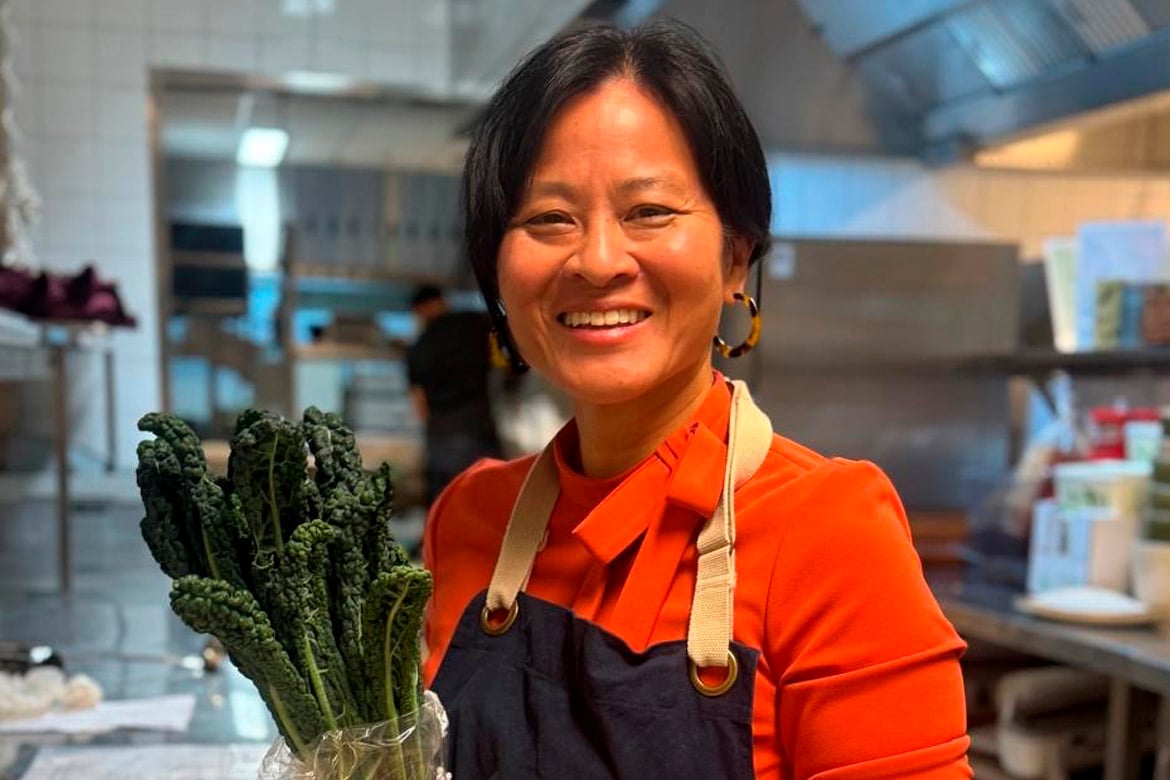
As a leader in this emerging field—and a professionally trained chef and cookbook author—Dr. Shiue has seen firsthand how culinary medicine deepens patient-physician relationships, helps manage chronic conditions and improves health outcomes.
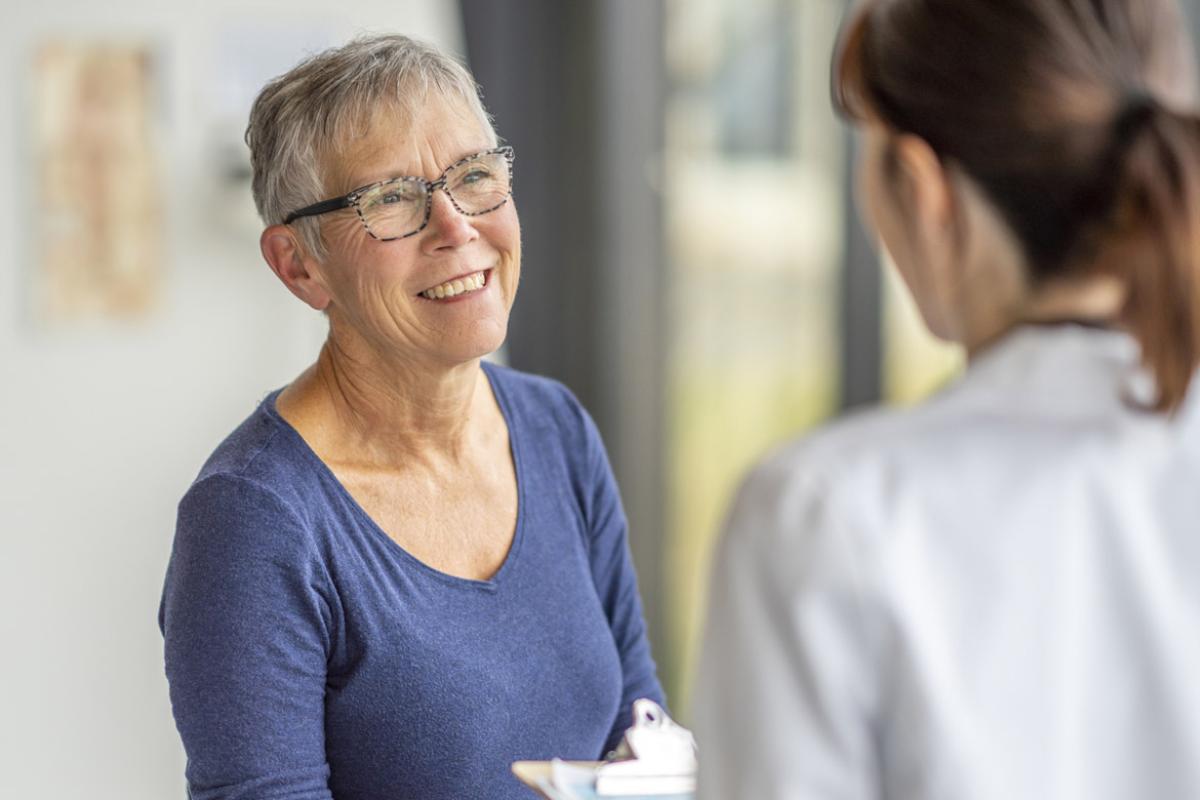
“We start by talking about food, which is a great way to make medicine approachable for patients,” said Dr. Shiue. “It becomes a way for both the doctor and the patient to form a therapeutic relationship where the patient then gains trust and feels a little bit more comfortable with their doctor.”
Dr. Shiue starts by asking patients several simple questions: What do you like to eat? What are the flavors that you like? What’s hard about this for you? She then offers small, attainable nutrition suggestions, partnering with her patients to set goals and find foods that fit their budget, lifestyle, culture and tastes.
The results can be transformative.
“I routinely get notes from patients who say, ‘you changed my life,’” she said. “This is often what people need to make that final leap into better health. They know they eat at least three times a day, so they want to do it in a way that their doctor advises them to.”
Dr. Shiue’s commitment also extends beyond the exam room.
“I want to leave a legacy of how I can improve the world, which is why a lot of people go into medicine,” she said. “For me, I want to do that on an individual level with patients, but I also actually want it to be broader.”
To reach more people, Dr. Shiue launched Kaiser Permanente’s Thrive Kitchen, a teaching kitchen that offers virtual cooking classes to people across the country and focuses on preparing foods for optimal health. She also advocates for culinary medicine through education opportunities for medical students and fellow physicians.
Recognizing food as prevention
Dr. Shiue’s journey to culinary medicine began early in her career as she sought more effective ways to help her patients with both prevention and disease management.
“I’d been practicing for 10 years, and I was getting frustrated and disillusioned that I couldn’t do enough for my patients,” she remembered. “I kept asking myself, ‘Why aren't they getting better? Why am I just writing more prescriptions?’”
Her search led her to Healthy Kitchens, Healthy Lives, a continuing medical education (CME) conference sponsored by the Culinary Institute of America and the Department of Nutrition at the Harvard T.H Chan School of Public Health. The conference explores the intersection of nutrition science, health care and culinary arts, offering research-based insights into how diet, nutrition and lifestyle affect health.
“The conference was a lightbulb moment for me, and it completely changed my life,” said Dr. Shiue.
Less than a week later, she started teaching her patients how to cook and quickly shifted her overall approach to care. As she integrated nutrition into her practice, she saw her patients thrive.
Drawn to Kaiser Permanente’s prevention-focused mission, she joined TPMG as a primary care physician in 2016. When she learned that Kaiser Permanente had opened the first farmer's markets for patients, she saw an opportunity to expand her reach in culinary medicine.
“The farmer's market was started by my predecessor, Dr. Preston Maring, because he understood that patients needed to be able to get produce,” Dr. Shiue said. “So, I extended that to say: But do they know what to do with it?”
To address this question, Dr. Shiue pitched the idea of launching a teaching kitchen to the San Francisco Kaiser Permanente’s leadership team who enthusiastically supported the concept, and Thrive Kitchen was born.
Cooking to heal
Thrive Kitchen opened in 2017 with in-person cooking classes, led by Dr. Shiue, who had previously taken a year off practicing medicine to attend culinary school before joining TPMG. During the COVID-19 public health emergency, Thrive Kitchen shifted to online classes and has remained virtual ever since.
“I want my cooking classes to be classes where you feel you're just coming to a cooking school,” Dr. Shiue said. “But you can sit back and know that because I am a doctor and I have a nutrition certificate, it’s going to be healthy for you no matter what.”
Each class features a themed menu, and participants leave with five plant-based recipes they can prepare on their own.
“Most people don't get enough fiber, but fruits, vegetables, whole grains and beans are all great ways to get fiber, antioxidants and other nutrients that combat chronic disease,” she said. “But a lot of people don't eat enough of them because they don't know how to make vegetables taste good.”
That’s why Dr. Shiue focuses on flavor-first techniques, from roasting and sauteing to using creative spices and seasonings.
She also compiled some of her favorite recipes into a cookbook, Spicebox Kitchen, to reach people outside Thrive Kitchen as well.
“There are so many people who aren’t able to come to the classes, but I would still love them to learn these nutrition principles, so the cookbook is an extension of what I teach in my classes,” Dr. Shiue said. “I want people to love their food, and I want people to be healthier.”
Bringing nutrition to medical training
As part of this effort, Dr. Shiue was part of a medical education team that developed a month-long culinary medicine elective for medical students at the Kaiser Permanente School of Medicine. Today, the course is so popular it has a two-year waitlist.
“Nutrition is not taught in medical school, except in a very limited way—it’s maybe 20 hours over four years,” she said. “By teaching medical students, I'm training the next generation of doctors, who will then influence their friends and colleagues. And they will all pass this knowledge to their patients.” In addition to teaching students to cook, the elective also includes rotations with dietitians and health educators.
At the same time, Dr. Shiue has also learned from students in this class. For example, an early cohort approached her to help them design a bilingual cooking class at a free clinic in Los Angeles, tailored to the clinic’s overall culture as well as the patients and staff.
“Those students inspired us so much that this [exercise] is now an official part of the curriculum,” Dr. Shiue said.
Along with the elective, Dr. Shiue has been involved in efforts to further incorporate nutrition science into the overall medical school curriculum. The goal is to expand doctors’ nutritional education but also stressing the benefit of referring patients to dietitians and other nutrition educators when needed.
“We need to know how and when to refer to other experts,” she said. “People think that just because I have a nutrition certificate that I don't ever refer to dietitians, but I know my limits. I know what I don't know and what patients would benefit from. And that's what I want my colleagues to do better.”

Offering guidance for doctors
By combining her medical and culinary skills, Dr. Shiue has developed a more effective and holistic approach to care for her patients. In many ways, she sees culinary medicine as a physician’s obligation—especially today, when misinformation runs rampant online.
“As a doctor, you are a trusted source of information, which includes nutrition information,” she said. “So, it’s important to learn about nutrition and know enough to help your patients discern fact from fiction on social media because that’s where a lot of people are getting their nutrition advice, which often isn’t accurate.”
She is dedicated to helping fellow doctors find their voices and comfort levels when it comes to incorporating nutrition into their practice. And she makes this advice for doctors as easy and accessible as she does for her patients.
“First, you need to understand what your patients are eating … and let them know their diet is important for their health,” she said. “Then, it’s important to screen for food and nutrition insecurity.”
Dr. Shiue then encourages doctors to ask their patients if they want to talk about nutrition.
“For the doctor who has knowledge, training or passion for this, you can talk more. But otherwise, all you need to do is refer to health educators or dietitians,” she said. “We're getting more collaborative as doctors are called upon to do a lot of things that we weren't doing when I was in training. But if you know how to refer and when to refer, you're golden.”
Finally, she recommends that physicians embrace healthy cooking and nutrition habits for themselves.
“If you do that, you'll naturally be able to teach it to patients without additional training. You'll be able to speak from an honest and authentic perspective,” she said.
Above all, Dr. Shiue stresses that incorporating nutrition into everyday patient care can transform the way physicians care for their patients.
“Discovering culinary medicine literally gave my career a whole new lease on life and has truly changed my life,” she said. “It has made me a better doctor than I ever imagined I could be.”
The AMA’s Diabetes Prevention Guide supports physicians and health care organizations in defining and implementing evidence-based diabetes prevention strategies. This comprehensive and customized approach helps clinical practices and health care organizations identify patients with prediabetes and manage their risk of developing type 2 diabetes, including referring patients at risk to a National Diabetes Prevention Program lifestyle-change program based on their individual needs.