It can be difficult for certain physician specialties to establish work-life harmony. They must function within their area’s own unique culture, work environment, responsibilities and stressors. However, work-life harmony should not be considered a hard-to-achieve ideal because it is indisputably essential.
Thankfully, well-being programs designed with genuine thoughtfulness for each physician specialty can provide what they need most—a true sense of meaning in practice and renewal.
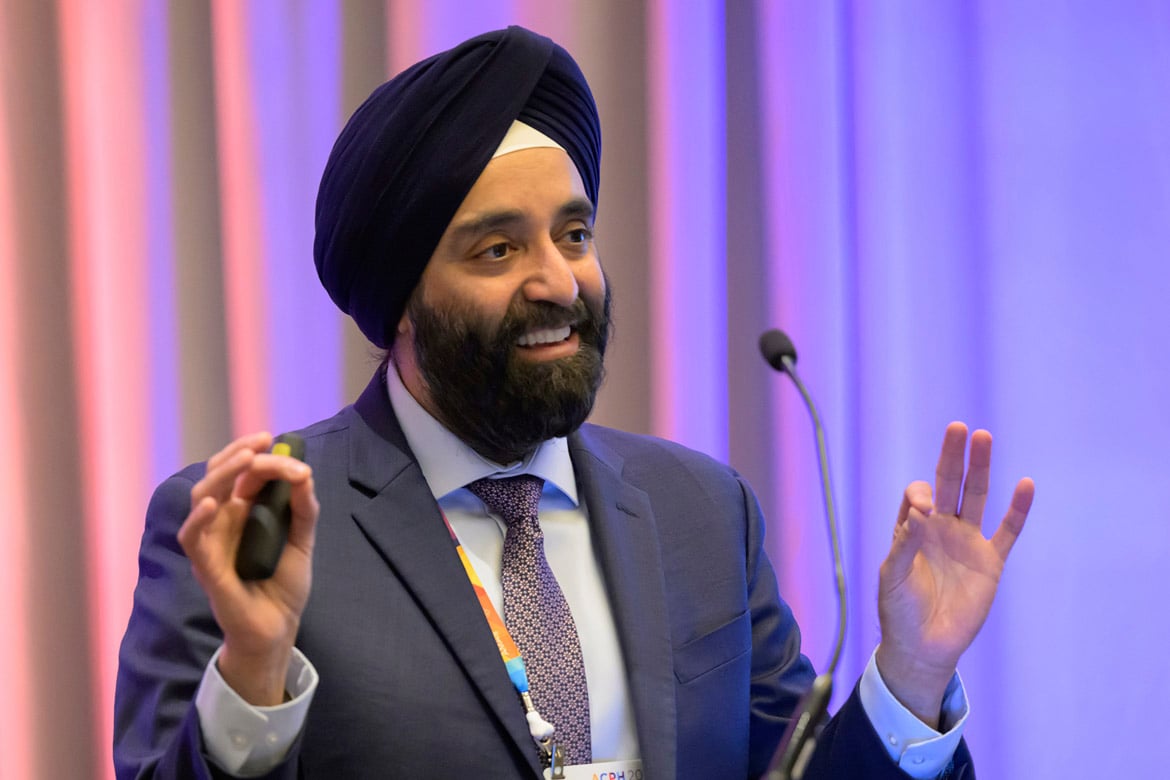
“We think a lot about our responsibility as an organization to address the system-level drivers of professional fulfillment and well-being. Then there is also the individual part—we owe it to ourselves as individuals and physicians, our loved ones and our patients to make sure we’re taking care of our own well-being. It’s especially hard for physicians,” Amanjot Sethi,
MD, a urologist and director of wellness operations at The Permanente Medical Group (TPMG), said during a presentation at the 2025 American Conference on Physician Health™ in Boston.
“And we want to help our physicians with this part too,” Dr. Sethi added.
Dr. Sethi and Rae Oser, PhD, senior director of physician wellness at TPMG, provided an inside look at how the group addresses both the pragmatic and personal aspects of physician well-being. For example, in 24/7 specialties such as critical care, emergency medicine, hospital-based medicine and anesthesiology.
These physicians often can’t participate in traditional well-being programs during business hours because they often have overnight calls, and unpredictable work schedules.
The Permanente Medical Group is part of the AMA Health System Member Program, which provides enterprise solutions to equip leadership, physicians and care teams with resources to help drive the future of medicine.
Address needs of physician specialties
TPMG developed the Physician Healing and Restoration Program to meet that need by giving physician specialists a rare chance to pause, rest and reconnect.
“We had to address the needs of various specialties and that required acknowledging the real-world challenges that make it hard for those physicians to participate,” Dr. Sethi said. “Tailoring our programs in a way that recognizes those realities was just as important as the content itself.”
That led TPMG to establish a setting where physicians could truly step away from the constant activity and unpredictability of clinical life.
“These specialists have some unique wellness challenges, so we created a multi-day residential program for more than 2,400 of those physicians,” Oser said.
To do this, TPMG partnered with 1440 Multiversity, a nonprofit focused on healing for health care workers, first responders and teachers.
“This is an organization that bears witness and holds sacred people who need restoration and healing,” she said. “Their mission and values align with ours and together we created a beautiful experience.”
The result of that collaboration was a well-being initiative tailored to the day-to-day realities of those physician specialties. It acknowledges both the systemic pressures 24/7 physician specialties face and their need for renewal and connection.
As the leader in physician well-being, the AMA is reducing physician burnout by removing administrative burdens and providing real-world solutions to help doctors rediscover the Joy in Medicine®.
Physician well-being redefined
The program was developed with the enthusiastic support of leadership. The CEO, board of directors and executive staff—all physicians themselves—prioritized piloting this initiative.
Instead of traditional workshops that cannot accommodate the erratic schedules of 24/7 specialists, the Physician Healing and Restoration Program offered a multi-day residential retreats scheduled at various times to accommodate shift work.
These retreats balanced continuing medical education (CME) sessions focused on community building and emotional health with time for restoration. Participants don’t just attend didactic sessions. They can also participate in experiential sessions such as tai chi, sound journey and forest hikes. Unstructured free time to rest and relax is prioritized too.
“Not every single moment is scheduled and that is deliberate,” Oser said. “We allow free time between CME and scheduled activities for physicians to enjoy the surrounding nature and connect with one another.”
Confidentiality and privacy are also respected, and attendees are assured that the retreat is a true “container” where they can speak freely, even in the presence of physician leaders who are also fellow participants.
The standard of care in physician well-being recognition
Institutions in this article have been honored by the Joy in Medicine® Health System Recognition Program.

A program embraced by physicians
The program quickly proved to be popular. Over three years TPMG has organized 13 retreats with more than 800 participants—with the latest being at full capacity.
Feedback reveals the profound impact the program has on participating physicians, some of them were surprised to realize that they had needed the retreat at all. In fact, a recent survey showed that 98% of respondents find the program extremely or very valuable for their well-being.
Participants also express comfort in knowing that they are not alone in needing the dedicated time to process and restore. Several said that they learned to reflect on the good done during their time at work and rediscovered the deep commitment they feel to their calling.
“It reminded me of the gift it is I to be part of TPMG and the gratitude I have for my colleagues,” said one participant.
Another participant shared “I am going back to my routines not just restored, but with a wealth of new tools to help me succeed personally and professionally.”
But the most common themes expressed in the feedback TPMG receives include reconnection with colleagues, compassion for themselves and rediscovering the meaning and purpose of medicine.
“The fact that someone is taking that away as their learning speaks to the impact of this program,” Oser said.
Additionally, the program makes an impact on the physician specialists’ daily practices. Many even report that they share more freely with colleagues, start a meditation practice or now pause before reacting during particularly stressful shifts.
Oser described it as the beginning of a virtuous cycle in which physicians recognize that their moods and self-regulation affect others, including their patients.
Dr. Sethi believes that meeting the well-being needs of physicians with their specialty and related challenges in mind is crucial to the program’s success.
“Every person approaches personal wellness differently,” he explained. “We’re a group of 10,000 physicians, so whenever possible, we aim to address the unique challenges of our various physician groups.”
For TPMG, this has meant listening carefully to frontline physicians and structuring their well-being offerings in a way that is relevant and practical while respecting their time.
Sustaining well-being
TPMG’s Physician Healing and Restoration Program is just getting started. Plans are in the works to expand this program beyond specialty cohorts to mid-career physicians.
“We don’t want this to be a one-and-done,” Oser said. “We’re looking at ways to help physicians feel valued through recognition, professional development and creative problem-solving. And we’re not going to give up on investing in our people. That is the secret sauce of TPMG.”
Sustaining wellness initiatives requires ongoing investment at both the organizational and personal levels.
“We’re not going to take our foot off the gas pedal when it comes to supporting the personal wellness of our physicians,” Dr. Sethi said. “Wellness is not a trend. It’s a necessity for us, our families and our patients. Programs like these are part of how we honor that responsibility.”
TPMG hopes its physicians’ experiences at the retreats and the positive outcomes will help influence the national conversation.
“We know that there’s an epidemic of isolation and loneliness,” Oser said. “By investing in ways to reconnect physicians with each other, we are not only helping them feel valued but also strengthening the quality of care delivered to patients. These lessons are relevant far beyond Northern California.”
A model for the future
The TPMG Physician Healing and Restoration Program demonstrates what happens when physician leaders commit to tackling well-being from both systemic and personal angles. The retreats are more than a break from the intensity of clinical settings. They are happenings that spark restoration, reflection and reconnection.
“We’re taking a thoughtful approach to wellness programs, making sure we’re addressing the full spectrum of what makes a physician professionally fulfilled and well,” Dr. Sethi said.
For TPMG, that overview addresses the professional and structural realities, demands and burdens that 24/7 physician specialties face and how they prioritize for connection and purpose.
As Oser reflected, “Understanding that they are not alone in their feelings is truly invaluable.”
Download the 2025 AMA Joy in Medicine® magazine (log into your AMA account to view) to see whether your organization is part of the prestigious group of 164 organizations across 40 states and the District of Columbia that are currently recognized for their dedication to physician well-being.
Mark your calendar for the next American Conference on Physician Health October 14–16, 2027 in National Harbor, Maryland.