When doctors are equipped to lead with the skills, empathy and support to guide their teams, everyone benefits—patients, colleagues and the health care organization itself. That conviction drives The Permanente Medical Group’s (TPMG) deep investment in leadership development at every career stage.
As the nation’s largest physician-led medical group, TPMG sees leadership as a daily practice—one that balances clinical excellence with compassion and strategic insight. Through structured programs, mentorship, and a focus on physician well-being, the group aims to foster resilient leaders ready to advance the latest innovations in patient-centered care.
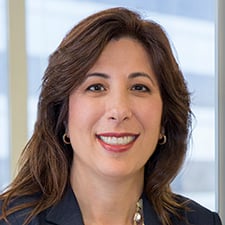
“I truly believe that investing in physician leadership leads to better care for our patients, improved morale for our teams, and overall success and progress for our health care system. It’s a win-win all the way around,” said Ellie Farahabadi, MD, an internist and associate executive director who oversees physician wellness, human resources, physician recruitment, and physician education and development at The Permanente Medical Group.
“Health care has always been complex, but we are in a unique time where rising patient expectations, increased regulations and emerging diseases have increased the pressures a physician faces on a daily basis,” Dr. Farahabadi said.
The Permanente Medical Group is part of the AMA Health System Member Program, which provides solutions to equip leadership, physicians and care teams with resources to help drive the future of medicine.
At The Permanente Medical Group, there are physician leaders at every level. From Maria Ansari, MD—TPMG’s CEO and executive director, a cardiologist who has been with the organization for over 20 years—to the board of directors, executive teams and chiefs of every department.
“Whether you are in the exam, operating or board room, physicians are viewed as leaders. That’s why TPMG believes it’s so critical to invest in physicians developing leadership skills,” she said, emphasizing that having physician leaders throughout the organization is “really our secret sauce.”
Skills physician leaders need
“It’s really critical for physician leaders to have both hard and soft skills,” said Dr. Farahabadi. “They’re equally important and that’s why at TPMG we make sure that we invest in training, support and mentorship in both of these areas.”
Among essential hard skills, clinical knowledge is fundamental, reflecting a physician’s expertise within their specific medical specialty. Additionally, competencies such as strategic vision, operational proficiency, and financial acumen are vital for effective leadership in health care.
“We emphasize leadership is about what you do, and it starts with empathy, listening, demonstrating respect, and being authentic to who you are. You shouldn’t take your title too seriously because leadership isn’t about titles,” Dr. Farahabadi said. “We are intentional about developing programs where we teach these soft skills to our up-and-coming physician leaders.”
Leadership is one of the six pillars of the AMA Joy in Medicine® Health System Recognition Program, which empowers health systems to reduce burnout and build well-being so that physicians and their patients can thrive.
Invest in emerging physician leaders
At TPMG, “we believe, first and foremost, all physicians are clinicians and that’s really when—at the time of recruitment and hiring—we’re looking for both clinical and interpersonal expertise. As their practice matures, we continue to invest in their development over the course of their career,” said Dr. Farahabadi.
One example is TPMG’s Emerging Leaders Program, an effort geared toward physicians who are not in formal leadership or executive roles. This program brings “several hundred physicians together multiple times a year with both internal and external faculty.”
Offer virtual options for leaders
Additionally, the “Physician Leadership Series” is a virtual offering for doctors with more formal leadership roles, such as an assistant chief, department chief or other functional leaders.
“These programs are great for individuals at the beginning of their leadership journey,” said Dr. Farahabadi. “We also provide specific programs, such as a new chief school and new chief orientation, where we offer key leadership skills for individuals as they transition into their new roles.”
“Some of these programs are very broad across Northern California and some are specific to a medical center,” she said. “It is key that we make the investments in the physicians at every level of the organization.”
The standard of care in physician well-being recognition
Institutions in this article have been honored by the Joy in Medicine® Health System Recognition Program.

Ensure everyone has an opportunity
“Our leadership programs are inclusive,” Dr. Farahabadi said. “We are intentional in addressing the needs of a diverse workforce and patient population so that our programs offer everyone the opportunity to step into leadership roles.”
Notably, TPMG has a program for Women in Leadership. “We want to ensure that women—who oftentimes may have a lot of responsibilities outside of work and might be particularly reluctant to take on leadership roles—are able to come together and build community, see leaders who look like them and envision themselves stepping into those roles,” she said.
Build community and comradery
“With the support of our CEO and executive director, Dr. Maria Ansari, we built a new program called Leading with a Courageous HEART,” said Dr. Farahabadi. She noted that “courage is really important in leadership,” and explained that the HEART acronym encompasses these essential soft skills that physician leaders must possess:
- Humility.
- Empathy.
- Authenticity.
- Respect.
- Trust.
Through this program, “we offer professional and leadership development to our physician leaders and also provide them the opportunity to meet with our CEO to discuss strategic priorities,” she said. “But most importantly, it’s an opportunity for the physicians to build community and comradery and be able to help each other solve the problems that we all need to address in our various leadership roles.”
“We also support physicians stepping into more advanced leadership positions through an executive leadership program. We recognize the importance of physicians who are experienced clinicians having a role in decision-making at the highest levels of the organization,” Dr. Farahabadi said.
Always be prepared
“As leaders, we often are at our best when we are most challenged. I found that that’s where the greatest learning comes from,” said Dr. Farahabadi. For example, “in 2017, Northern California experienced devastating wildfires, including one that required the evacuation of one of our hospitals.”
“This crisis required all hands-on deck with operational leaders trying to make sure our patients were safe and getting the care they needed,” she said. “At the same time, what I learned very quickly was that our own physicians and staff were impacted, with some of them fleeing the flames and sadly losing their homes.”
That was when Dr. Farahabadi and her team realized there was a pressing need to help beyond the immediate response.
“We had never faced this situation before. But thankfully we came together and met the needs of our people,” she said. “We quickly put in plan a 24-hour line where people could reach out and they could get help with housing, shelter and small cash grants. Sometimes the care givers need care themselves.”
“It was a reminder that we can prepare for emergencies but also need to be able to respond to the moment and rise to the occasion,” Dr. Farahabadi said. “That’s what leadership is all about.”
AMA STEPS Forward® offers innovative strategies that allow physicians and their staff to thrive in the new health care environment, including multiple resources focused on leadership and culture.
Download the 2025 AMA Joy in Medicine® magazine (log into your AMA account to view) to see whether your organization is part of the prestigious group of 164 organizations across 40 states and the District of Columbia that are currently recognized for their dedication to physician well-being.