Where do I go from here? That’s what many physicians ask themselves as they approach the traditional retirement age and begin to plan for the next stages of their lives.
For doctors, the challenge is a big one. After years of training and medical practice, leaving an active medical career for an inactive retirement can seem like a waste of talent, training and skill—unless they prepare wisely and build a strategy that provides them with fulfillment and satisfaction.
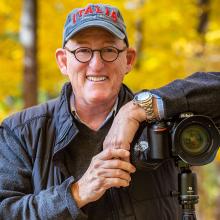
AMA member Harry Agress Jr., MD, is now retired after a 36-year career in diagnostic radiology and nuclear medicine. When he left practice 10 years ago, he began anew as a writer and photographer and now offers guidance for his physician colleagues as they approach their own challenges.
His 2025 book, Next Years, Best Years: Taking Your Retirement to the Next Level—A Resource for Personal and Emotional Well-Being, chronicles his own retirement preparations as well as tips and tools his readers and colleagues can use to plan for their own future. He takes the same approach to retirement that physicians use in their practices, he told the AMA in an interview.
Much like a doctor going through the process of diagnosing a patient’s medical problems, the book “will help you learn to ask self-reflecting questions, truly listen to yourself and break down any barriers inhibiting your progress,” Dr. Agress wrote in the book’s introduction. “We have an entire life of insights, involvement and perspective on which to draw. Our ability to think deep prepares us to take action.”
Dr. Agress said that retirement (or “rewirement,” as he dubs it) can offer one of the most fulfilling and exhilarating experiences of our lives. To this point, the book provides stories, work lists and other reflective tools to help readers reassess and discover what they really need to expand their horizons and feelings of self-worth. The opportunities are endless, especially for physicians, who are traditionally curious, purpose-driven, interested in helping others and always eager to learn.
His own career provided lessons in preparing for the future, he said. Late in his medical career, Dr. Agress said he found himself getting busier and busier, but not necessarily more fulfilled as the prospect of retirement loomed.
Explore what really makes you satisfied
While still in practice, Dr. Agress created qualitative tools for examining his own future needs and interests. In a “things I love” worksheet, he included family, friends, travel and photography. Another worksheet of “things that give me satisfaction” included learning, teaching (which included sharing his training and experience with the next generation), being creatively productive, and helping others—to name a few.
Another worksheet, “things I would like to try,” included what he wanted to expand on and explore further, such as his photography, acting, sketching and possibly writing.
An avid photographer since his physician-father gave him a camera, Dr. Agress began to invest time in learning more about the artform, studying with various teachers and professionals and cataloging his body of work in the field so far.
“Upon retiring, I immediately started to organize my scattered collection of 20,000 photographs, which has now grown to over 100,000,” he said. “I went to lectures and workshops, read books and spent hours watching online tutorials on taking, processing and preserving photographic images.”

Start new interests before retirement
If you are planning to expand your interest in a new field, Dr. Agress recommended beginning study—online or in person—before official retirement. He also said it is important, especially for physicians who are accustomed to excelling in their endeavors, to get over the potential concern that you may not be great at the new endeavor (not always easy for doctors) and appreciate the key point of giving yourself the freedom to simply try and experience new ventures.
The result for Dr. Agress, in addition to the overall satisfaction of creating interesting images, was the creation of a website to display his photographs and various installations.
Dr. Agress did not have to look far for places to show his work.
“Many hospitals are intimidating and full of dull corridors with little or nothing to brighten the experience. I decided I wanted to donate my photographs to health care facilities, work with hospital staff, physicians and administrators to create a more caring and welcoming atmosphere for patients, their families and those in charge for their care,” he said.
Dr. Agress now has permanent collections of his global travel photography in medical facilities around the country and sells prints of his work on his website. A portion of his book sales go toward funding the health care installations.
Dr. Agress said such donations exemplify a main point of his book, which is that “what really counts in this next refreshing and wonderful phase is having a sense of purpose, embracing different ideas and experiences, and developing new relationships.”
At a recent meeting of the AMA Senior Physicians Section (AMA-SPS), psychiatrist Debra Atkisson, MD, discussed what older-adult physicians should consider as they evaluate transitioning out of active medical practice. Watch a recent AMA video interview with Dr. Atkisson to learn more about when and how to decide to stop practicing medicine.
The AMA-SPS gives voice to, and advocates on, issues that affect senior physicians, working part time, full time or retired. The AMA provides numerous discounts and benefits to members who are fully retired. These include $84 annual membership, full access to JAMA Network®, savings on vehicle purchases and more.
Subscribe to free AMA email newsletters
Get the latest news from the AMA on the topics that matter to you—delivered to your inbox.