As a medical student, do you ever wonder what it's like to specialize in physical medicine and rehabilitation? Meet AMA member Marla Petriello, DO, a physical medicine and rehabilitation physician and a featured doctor in the AMA's “Shadow Me” Specialty Series, which offers advice directly from doctors about life in their specialties. Check out her insights to help determine whether a career in physical medicine and rehabilitation might be a good fit for you.
The AMA's Specialty Guide simplifies medical students' specialty selection process by highlighting major specialties, detailing training information and providing access to related association information. It is produced by FREIDA™, the AMA Residency & Fellowship Database®.
Learn more with the AMA about the broader medical specialty of physical medicine and rehabilitation.
“Shadowing” Dr. Petriello
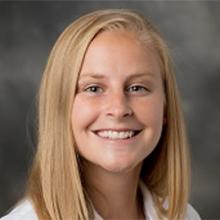
Specialties: Physical medicine and rehabilitation, as well as spinal cord injury medicine.
Practice setting: Skilled nursing facility and telemedicine.
Employment type: Self-employed in affiliation with Medrina in San Diego. Medrina is part of the AMA Health System Member Program, which provides enterprise solutions to equip leadership, physicians and care teams with resources to help drive the future of medicine.
Years in practice: Two.
A typical day and week in my practice: In a typical week, I will have four days of in-person visits in skilled nursing and two days of telemedicine. I end up with approximately 30 hours per week working face to face with patients and another 20–30 hours doing documentation.
The most challenging and rewarding aspects of physical medicine and rehabilitation: One major challenge is patients’ lack of access to care within skilled nursing. One of the rewarding parts is seeing patients progressing with the program and returning home to their families.
The impact burnout has on physical medicine and rehabilitation: Burnout is highly prevalent due to documentation demands and variable resources available within facilities.
How Medrina is reducing physician burnout: The organization encourages physicians to develop relationships with other doctors working in similar practice settings. Medrina connects physicians through a physician leadership team which allows for a direct point of contact with other practicing physicians within your area.
Additionally, regular educational sessions are offered including grand rounds and online educational resources. These opportunities allow for improved collaboration and ongoing open communication between physicians practicing with Medrina.
How my lifestyle matches, or differs from, what I had envisioned: The sheer amount of work is higher than expected, but there is the benefit of schedule flexibility, which I didn’t expect.
Skills every physician in training should have for physical medicine and rehabilitation but won’t be tested for on the board exam: There are three: time management; typing; and building relationships with patients, families and colleagues to enhance care.
One question physicians in training should ask themselves before pursuing physical medicine and rehabilitation: Will you be able to care for people going through some of the most difficult times of their lives and provide encouragement and motivation on a daily basis?
Books, podcasts or other resources every medical student interested in physical medicine and rehabilitation should be reading or listening to: I like Physical Medicine and Rehabilitation Board Review, by Sara Cuccurullo, MD, for board preparation and basic knowledge.
I also recommend the American Spinal Injury Association’s SCI Science Perspectives podcast, for trainees wishing to pursue spinal cord injury (SCI) because of the current SCI research it covers.
Additional advice I would give students who are considering physical medicine and rehabilitation: Work on motivational interviewing and the psychological aspects of rehabilitation. This is often a big barrier for patients, and enhancing your skills in this area can be the difference in outcomes for your patients.