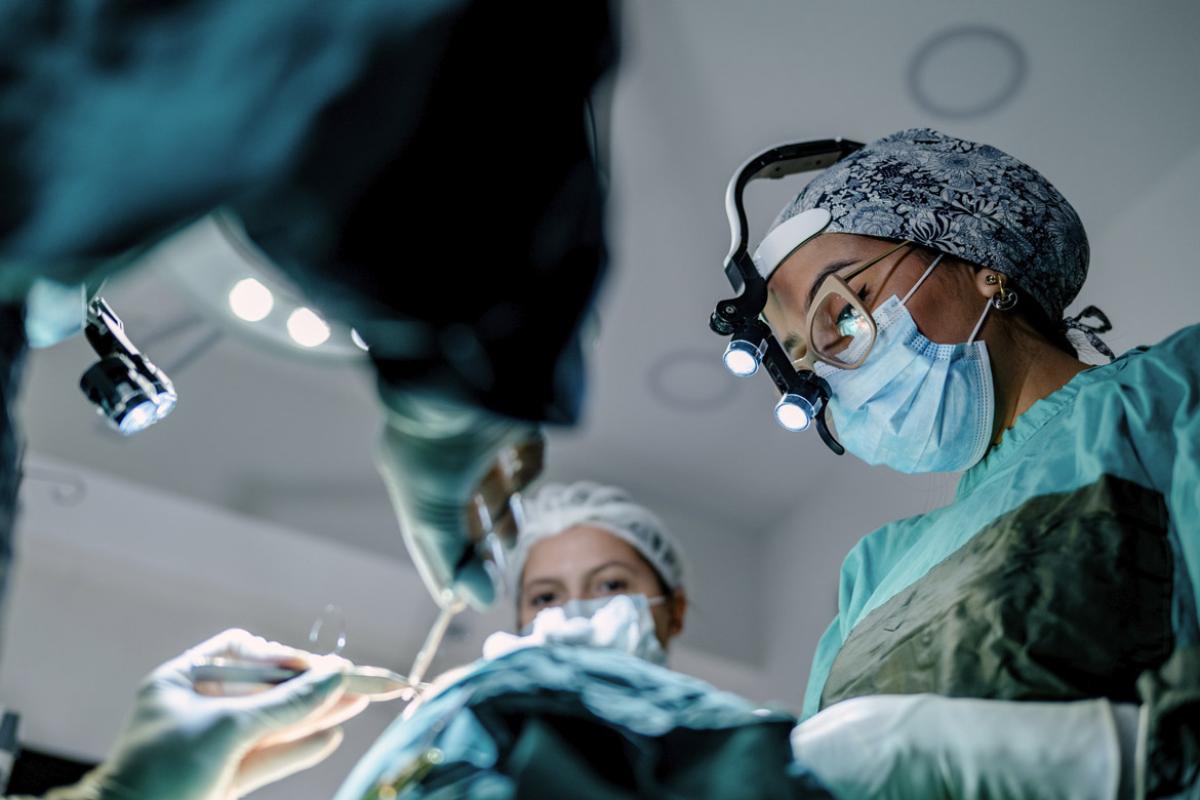
For medical students in the early days of training, exposure to the practice of medicine is not necessarily built into the curriculum. Pre-clinical preceptorships or one avenue through which they can get that experience.
According to data in a recently published JAMA® article, 73% of U.S. MD-granting medical schools offer preceptor experiences with community-based faculty members in hospital settings. Taking place during the preclerkship phase of training—the first two years of medical school at most institutions—preceptorships offer students the chance to observe and, in some instances, have heavily supervised involvement in patient care.
What can medical students do to make the most of their time as preceptors? An expert on medical education gave his insights.
Focus on communication
John Andrews, MD, is the AMA’s vice president for graduate medical education innovations and a practicing pediatrician who spends one day a week in a community-based clinical setting. Having spent decades working with medical students and residents, Dr. Andrews said that the focus of preclinical preceptorships should be less on the diagnostic and treatment aspects of medicine and more on the soft skills.
“It’s an opportunity to understand how physicians talk to patients,” Dr. Andrews said. “That’s the real value. You understand how clinicians ask questions to solicit the information they need to make clinical decisions. You see how clinicians speak to patients in a way that makes them comfortable sharing the information necessary for appropriate treatment.”
Professionalism is paramount
Preclinical medical students may be a ways from donning the long white coat that conveys physician status, but that doesn’t mean you shouldn’t approach a preceptorship opportunity as an amateur. Show up on time, speak respectfully with patients and members of the care team and demonstrate interest and enthusiasm.
“You have to act professionally,” Dr. Andrews said.
“There's a sacred trust between a physician and their patient. And when you're invited into that interaction, you need to have respect for what that means."
In his role with the AMA, Dr. Andrews has helped lead the Reimagining Residency initiative to transform residency training to best address the workplace needs of our current and future health care system.
Be comfortable on the sidelines
Longer preceptorships might afford medical students the opportunity to get involved in some heavily supervised patient care activities—elements such as taking a history and physical—but the role of a preceptor is to observe.
“Students will always want to have an active role and feel like they're doing something meaningful,” Dr. Andrews said. “But precepting is really an observational experience.
“If a student has a longitudinal preceptorship with someone over time, as trust is built there's certainly potential that they could play a more active role.”
Stay humble, curious
Given that they are working with preclinical medical students, faculty members working with preceptors expect more questions than answers.
“As a student, you have to be humble and acknowledge that you really don't know very much,” Dr. Andrews said. “It's appropriate and beneficial to clarify your understanding of what goes on in a clinical encounter as you debrief with the clinician afterwards.”
Aside from clarifying concepts or terminology, good questions to ask can include:
- What did you mean when you said that?
- Why did you ask that question?

Keep an open mind about career paths
Shadowing and mentorship can be important factors for medical students when it comes time to choose a specialty, but a preceptorship is going to be of limited value in informing that choice. Other experiences, such as clerkship rotations are going to provide considerably more insight into the practice of a specialty.
“Most of these experiences are being offered at a time when, presumably, students are undifferentiated,” Dr. Andrews said. “They may have ideas about what specialty they wish to go into, but I think that exposure can be influential in helping them understand the various options they have for the practice of medicine. It broadens their perspective.”