The aftermath of an adverse outcome for a physician or other health professional can include emotional duress, fear of its impact on their career, highly stressful investigations or legal action and, in high-profile situations, reputations at risk.
Before formal peer support programs, “there wasn't much support after an unexpected or an adverse event. Just as a medical professional thought they had recovered, the inquisitions with peer review, medical board reviews or lawsuits reopened the wound and the lack of support was palpable,” Laurie Gregg, MD, said during a presentation at the 2025 American Conference on Physician Health™ in Boston. Dr. Gregg is an ob-gyn and chief wellness officer for Sutter Independent Physicians and Sutter Medical Center Sacramento.
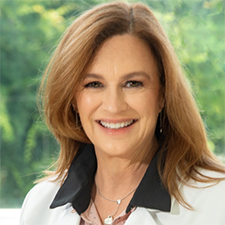
“Adverse outcomes can be devastating,” said Marie Boller, MD, a maternal-fetal medicine fellow at Oregon Health and Science University. She learned early in her career that the emotional toll of such experiences can be overwhelming without a way to talk through them with peers.
“I figured out that I needed to talk about these events if I was going to make this profession sustainable for me,” Dr. Boller said.
That is where peer support at the hospital, health system and national levels can help during these adverse outcome situations. It is advantageous to have a not one-size-fits-all solution.
The programs across Sutter Health were developed differently by design. For example, Dr. Gregg’s initiative is a hospital-based peer support program developed in coordination with Sutter Medical Center’s well-being committee.
Meanwhile, for Jill Kacher Cobb, MD, chief wellness officer for Sutter Health, and her colleagues, there was a need to develop a systemwide program to serve 23 hospitals and 10 affiliated medical groups with over 60,000 employees and 12,000 physicians and advanced practice clinicians.
Layered on top of that, Drs Boller, Gregg and Bhalala drove the creation of an ob-gyn peer support program at the national level, now housed within the American College of Obstetrics and Gynecologists (ACOG).
While the programs’ goals are straightforward, their designs reflect very different needs.
Adverse outcomes can leave lasting emotional and professional scars on physicians, nurses and staff but the absence of an organized support system at Sutter Health struck Dr. Kacher Cobb in 2020.
“We realized during the pandemic that everyone needed peer support,” she said. “Our nurses, EMS workers and admitting staff across the organization were suffering. We took physician and nonphysician provider focused support programs up a level to make them broader and more inclusive.”

Together with Dr. Gregg, Dr. Kacher Cobb began crafting a support program that could reach across the system, especially its more vulnerable institutions.
“Many of our smaller and rural hospitals didn’t have the resources to set up peer support programs,” Dr. Kacher Cobb said. “Opening up this to everyone across our system filled those gaps.”
A systemwide peer support program was in place by the end of 2022. The program’s peer supporters are volunteers and becoming a peer supporter is open to every person in the organization at all levels and in every role. Physicians, clinical support and staff now have access to support during what are often the most difficult periods in their careers.
Peer support is a key pillar of the AMA Joy in Medicine Health System Recognition Program, which empowers health systems to reduce burnout and build well-being so that physicians and their patients can thrive.
Programs tailored to different needs
Dr. Gregg’s program for physicians and nurses at the hospital level includes the immediacy and familiarity of the workplace.
“Peer support works because we know medicine,” she said, “but it works at the local level because we know the culture.”
That can provide refuge and comfort after an adverse event such as a peer review, lawsuit or the loss of a colleague or patient. With a local program, conversations start informally, Dr. Gregg recalled. Colleagues “grabbed her in the hallway” or invited her for coffee only to find that was the guise of the peer support conversation in which they opened up about their struggles.
“When I support a colleague at the hospital, I know what they’re going through in terms of medicine and the hospital culture, and I can be there as an ongoing support,” she said.
Peer support at the system level expands the program’s reach. A centralized process uses a single email address for intake, the requests are matched to the appropriate support and after that, the peer supporter reaches out to set up a time to talk.
Meanwhile, Dr. Boller’s national ob-gyn program expands the scope of support and, when needed, familiarity of specialty combined with impartiality and anonymity.
“After a high-profile adverse outcome, someone may not want to talk with somebody from their institution who already knows what happened,” Dr. Boller explained. “In that case it’s nice to talk with an ob-gyn who understands but is not so closely connected to the event or the environment.”
As the leader in physician well-being, the AMA is reducing physician burnout by removing administrative burdens and providing real-world solutions to help doctors rediscover the Joy in Medicine®.
The standard of care in physician well-being recognition
Institutions in this article have been honored by the Joy in Medicine® Health System Recognition Program.
Getting programs off the ground
Building the programs at all three levels took persistence and, for Sutter Health, working within some existing state and institutional parameters. Fortunately, it did not require a significant investment in time or resources.
“I went through the hospital bylaws and took it to each committee to gain buy-in,” Dr. Gregg said, “and that became the initial advertisement for the program.”
California’s section 1157 protects the confidentiality of medical peer review proceedings, “and we definitely took advantage of that regulation under which to house our peer support program” she added.
“We needed to create a volunteer-based program. Initially we were concerned about finding enough people,” Dr. Kacher Cobb said. To their relief, demand was high. Now as many as 50 people attend each training session to become formal supporters or just to learn how to change culture.
Dr. Boller faced different barriers at the national level. Peer support in obstetrics was a new idea without a natural funding source, and early grant applications were turned down because they didn’t fit neatly into existing categories of research or clinical care.
“We were rejected a few times,” she recalled. “So, we created a Gmail address and started spreading the word that peer support for 0b-gyns was available.”
The grassroots effort steadily gained traction until ACOG formally brought the initiative under its umbrella, providing a sustainable organizational home and the infrastructure to expand training and outreach nationwide.
Training is a consistent element at every level. Dr. Gregg runs quarterly meetings where volunteers share best practices and debrief difficult cases. And Dr. Kacher Cobb conducts two to three peer support training sessions every year and quarterly refresher sessions.
Dr. Boller and colleagues have trained about 100 physicians with quarterly debriefs “because peer supporters need peer support too,” she said.
The presenters’ message to organizations considering developing their own programs was clear.
“If you haven’t got a peer support system yet, please implement it. Just do it,” Dr. Gregg said. “All you need is one passionate person to start it.”
She also noted that organizations without extensive resources, or that passionate person, can start small or adapt existing models rather than building entirely new systems from scratch.
AMA STEPS Forward® open-access resources offer innovative strategies that allow physicians and their staff to thrive in the new health care environment. These resources can help you prevent burnout, create the organizational foundation for joy in medicine and improve practice efficiency.
Mark your calendar for the next American Conference on Physician Health October 14–16, 2027 in National Harbor, Maryland.