As a medical student, do you ever wonder what it's like to specialize in physical medicine and rehabilitation (PM&R)? Meet AMA member Erica Bechtel, MD, a physical medicine and rehabilitation specialist and a featured physician in the AMA's “Shadow Me” Specialty Series, which offers advice directly from physicians about life in their specialties. Check out her insights to help determine whether a career in physical medicine and rehabilitation might be a good fit for you.
The AMA's Specialty Guide simplifies medical students' specialty selection process by highlighting major specialties, detailing training information and providing access to related association information. It is produced by FREIDA™, the AMA Residency & Fellowship Database®.
Learn more with the AMA about the medical specialty of physical medicine and rehabilitation.
“Shadowing” Dr. Erica Bechtel
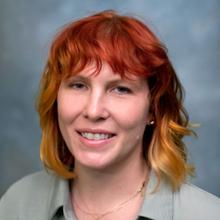
Specialty: Physical medicine and rehabilitation, with subspecialty in spinal cord injury medicine.
Practice setting: Multispecialty physician group.
Employment type: In private practice with Wenatchee Valley Medical Group (WVMG), which is affiliated with Confluence Health, in Central Washington. Confluence Health is part of the AMA Health System Member Program, which provides enterprise solutions to equip leadership, physicians and care teams with resources to help drive the future of medicine.
Years in practice: Eight.
A typical day and week in my practice: A typical day for me can vary significantly depending on whether I'm covering our inpatient rehab (IPR) unit or in clinic. When I'm working on the IPR unit, my day is similar to other hospital-based specialties but with a distinct focus on helping patients regain function and working closely with a multidisciplinary team.
Patients are admitted when they require—and would benefit from—intensive rehabilitation, as well as close oversight by a physiatrist. They can have a variety of neurological, trauma-related or medically complex diagnoses. It's great if you love the hospital environment but with slightly less acuity and a patient-centered focus on function and quality of life.
I start my day by charting and reviewing any potential admissions for the day or week, which is actually a fairly significant part of our day. After that, I round on patients and observe them in therapy sessions. We have at least one multidisciplinary team huddle each day to review patient progress, barriers and our patient-centered goals. This collaborative approach ensures that every patient gets a comprehensive, well-rounded treatment plan.
On clinic days, I spend about seven hours seeing a variety of patients with neurological impairments or disabilities, such as stroke, traumatic brain injury, concussion, spinal cord injury (SCI), neuropathy and amputations. I completed an ACGME fellowship in spinal cord injury medicine, so I provide care for individuals with SCI over their lifespan. Given that our specialty focuses on multisystem and function/quality of life, we also work with patients with long COVID and other unique multisystem disorders. Outpatient clinics are inherently busy, with not a lot of downtime. I spend an additional two to three hours doing charting and in-basket management.
I work 75% full-time, so I tend to average about four days per week, though I also have some administrative hours through my role as our department's physician manager. For continuity, we tend to cover the unit in one- to two-week-long increments. Inpatient days tend to have a bit more control over the pace of the day, depending on how many admissions we have.
We also serve on various committees and task forces related to our inpatient unit, improving spinal cord injury care across our institution, and participate in trauma conferences. We have a separate musculoskeletal (MSK) physiatry group at our institution that sees more typical MSK patients, but we still dabble in that—people with neurological impairments have MSK issues too! We have the extreme luxury of an amazing hospitalist team that covers our IPR overnight and on weekends, so most days tend to be nine- to 10-hour workdays without additional call.
The most challenging and rewarding aspects of physical medicine and rehabilitation: One of the most challenging aspects of working in physical medicine and rehabilitation is that we often meet patients after they've experienced the most difficult event of their lives. The journey to recovery is not always straightforward, and managing these complex, long-term conditions can be demanding. Another significant challenge is how deeply our specialty, particularly inpatient rehabilitation, is intertwined with insurance companies and regulations. These factors can make it difficult to provide the level of care we feel our patients need.
Conversely, the most rewarding aspect of our work is being there for patients as they gain independence and function. Witnessing their progress and celebrating their milestones is incredibly fulfilling, and it's something that many other medical specialties don't always get to experience. We have the privilege of forming long-term relationships with our patients, much like primary care, for individuals with chronic impairments and disabilities. This continuity of care allows us to see our patients over their lifetimes and contribute to their long-term well-being.
As Dr. Glaucomflecken says, "Our patients love us!"
The impact burnout has on physical medicine and rehabilitation: Burnout is a significant issue in our specialty, given the high emotional and cognitive demands placed on health professionals and significant interface with insurance companies. PM&R physicians often deal with patients who have experienced life-altering events, requiring a deep well of empathy and resilience. Not everyone knows what value a physiatrist can bring, so it can be frustrating to have to repeatedly demonstrate that. This is why we need more physiatrists.
The variety of patients and roles a physiatrist can have is one factor that helps combat burnout. We can focus on general rehab, neuro rehab, musculoskeletal or spine-based rehab, a variety of procedures, postacute care and even palliative care. With our strong neurological and musculoskeletal training, we can serve in a variety of roles, which keeps our work dynamic and fulfilling.
How Confluence Health is reducing physician burnout: At our health system, we prioritize physician wellness through a variety of initiatives. We have a provider experience committee dedicated to focusing on physician wellness. WVMG has a time-off policy that is more generous than most. This policy allows us to enjoy our time off with family and friends and take advantage of everything beautiful North Central Washington has to offer.
Our provider experience committee plans events such as family bowling nights and summer picnics, yoga and mindfulness retreats and nights out and offers services like Vital Work Life, which helps with life planning concierge services, coaching and counseling at no cost. We are also working hard to leverage technology to decrease time that providers spend doing non-billable work, including trialing various AI platforms.
Additionally, WVMG is excellent at recognizing that physicians have various reasons for wanting less than full-time status. This flexibility has been immensely helpful to me as a parent without local support systems, and many physicians find themselves in similar situations. By accommodating different work arrangements, we create a more supportive and balanced work environment.
How my lifestyle matches, or differs from, what I had envisioned: When I first left training, my primary goal was to have time off for fun activities, and I was more accepting of overnight calls, lack of sleep and weekend work. PM&R is generally known as a specialty with little to no call, but there actually can be a high burden of call coverage when staffing an inpatient unit.
However, after my child was born in the middle of a pandemic, I realized I couldn't work full time, continue call coverage and meet all the demands of being a working parent while still carving out a little bit of time for myself. The experience highlighted the challenges of parenting without a village, and I didn't fully grasp the impact this would have on my lifestyle and happiness until it happened. This realization was a primary driving factor in my choice of a position that offered more flexibility.
I was also unaware of all the parts of a job as a doctor that are not billable and therefore have to be done outside of patient-facing hours. These include administrative tasks, charting, committees and handling in-basket work, which often extends beyond clinical hours.
Skills every physician in training should have for physical medicine and rehabilitation but won’t be tested for on the board exam: As a physiatrist, you'll lead a diverse multidisciplinary team, requiring strong leadership and the ability to foster collaboration by leaving your ego at the door. Empathy and emotional resilience are essential for dealing with patients who have experienced life-altering events, while excellent communication skills ensure clear interactions with both patients and team members. Adaptability and creative problem-solving are crucial for addressing complex patient needs, and strong advocacy and negotiation skills help navigate insurance regulations to secure the best care for your patients.
One question physicians in training should ask themselves before pursuing physical medicine and rehabilitation: "Do I want to see patients get better?" If your answer is a resounding yes, then this specialty is for you.
Books, podcasts or other resources every medical student interested in physical medicine and rehabilitation should be reading or listening to: Not to minimize the breadth of amazing resources in medicine and leadership, but as medical students and residents, you should make sure you are consuming media for pleasure as well. I spent residency flying through the Game of Thrones series.
- “Murderball,” a movie about quadriplegic rugby players.
- My Stroke of Insight: A Brain Scientist’s Personal Journey, by Jill Bolte Taylor, PhD.
- Handywoman: A Creative Life, Post-Stroke, by Kate Davies.
Additional advice I would to give students who are considering physical medicine and rehabilitation: Physiatry is not always represented or even available at all institutions, so make sure you get involved with your school's interest groups or the American Academy of PM&R med student program so that you can get appropriate exposure. The number of times I have had a fourth-year med student rotate with me who has already picked a specialty or matched and is very interested in PM&R and wishes they had known about it sooner is very high.