


The AMA’s advocacy efforts are directed and deepened by the AMA House of Delegates, which works in a democratic process to create a national physician consensus on emerging issues in public health, science, ethics, business and government to improve the care and public heath of patients and communities.
Hundreds of physician and medical student delegates gathered in Lake Buena Vista, Florida, for the 2026 AMA Interim Meeting. The meeting highlights below would not have been possible without writing and reporting by AMA Senior News Writers Georgia Garvey and Brendan Murphy, Contributing News Writers Tany Albert Henry, Jennifer Lubell and Timothy M. Smith, as well as the work of the AMA’s media relations team. Special thanks to Ted Grudzinski for his many great shots of the House of Delegates in action.
The House of Delegates will convene again in June for the 2027 AMA Annual Meeting in Chicago. Find out more about AMA virtual and in-person events.
Top news
Who can be licensed as a physician? Not AI
The AMA is drawing a clear line between augmented intelligence (AI) as a tool to support healthcare and the practice of medicine. AI—often called artificial intelligence—can help doctors with clinical tasks, but it cannot be granted physician licensure, professional titles or certification to practice medicine, says new policy adopted at the 2026 AMA Interim Meeting.
With this recent update to extensive, existing policy on AI, the AMA House of Delegates calls for AI-enabled technologies to be integrated into physician-led teams and used at the direction of the treating physician. AI tools used for clinical functions such as diagnosis, prescribing and care management should have transparent, auditable evidence demonstrating their safety and efficacy and be subject to appropriate regulation, documentation and liability requirements.
The AMA will advocate legislation establishing a framework for physician oversight of AI clinical decision-making, including protections for physicians' independent clinical judgment and against liability for choosing not to use an AI tool or follow an AI recommendation.
“AI can help physicians analyze information, identify patterns and support clinical decision-making, but patients deserve to know who is responsible for their care,” said AMA President Willie Underwood III, MD, MSc, MPH. “Physicians also need the authority, oversight and liability protections to make independent decisions when AI is part of the care team.”
Learn more about this and other policies delegates adopted on AI and liability, its use in credentialing and peer review, and protecting minors from AI deepfakes.
Tuesday, Nov. 10
AMA tackles food additives, sunscreen gaps and e-bike risks
The AMA is calling for stronger federal food-additive regulations in the U.S., recommending a shift toward mandatory safety testing, greater oversight by the Food and Drug Administration (FDA), and independent scientific review of ingredients already in the food supply that are of public health concern on a regular basis.
“For decades, a loophole in federal law has allowed companies to add chemicals to our nation’s food supply without independent safety review by the FDA. We have very little understanding about the health risks they may pose,” said AMA Trustee Amar H. Kelkar, MD, MPH.
“The current U.S. system for regulating food additives is not doing enough to protect public health and reforms are clearly needed. We need stronger oversight, greater transparency, and a more consistent science-based regulatory framework to ensure the safety of our food supply and better protect the health of all Americans,” said Dr. Kelkar, a hematologist, medical oncologist and stem-cell transplant physician in Boston.
Read on to learn more about the AMA's other actions on food additives, e-bikes and scooters, and the need for research, education and awareness on the practice of deprescribing.
Eliminate extra USMLE fees for international test-takers
International medical graduates (IMGs) play a vital role in patient care across the U.S., particularly in underserved communities. Despite that, their path to residency training in this country remains costly and cumbersome.
Among the barriers are increased expenses for IMGs who take United States Medical Licensing Examination (USMLE) tests outside the U.S. and Canada. Those who sit for Step 1 or Step 2 Clinical Knowledge abroad must pay regional fees—$210 for Step 1 and $235 for Step 2 Clinical Knowledge, as well as government-mandated goods and services taxes in some countries—on top of standard registration fees.
In a move that aims to eliminate workforce-entry barriers and boost the physician pathway, delegates directed the AMA to:
- Advocate with the National Board of Medical Examiners (NBME), the Federation of State Medical Boards (FSMB), and Intealth/ECFMG to establish fee parity between domestic and international test-takers for all USMLE examinations by eliminating geographic test-delivery surcharges.
- Work with testing sponsors to ensure that any restructuring of the USMLE scheduling—including fixed exam administration windows and international center expansion—is implemented with transparent, standardized cost structures that do not disproportionately penalize candidates testing outside the U.S.
“Exam fees should not differ based on testing location,” said AMA Trustee David J. Welsh, MD, MBA. “As the U.S. continues to face physician shortages, we should be doing everything we can to eliminate—not create—barriers for qualified physicians and physicians-in-training to join the U.S. physician workforce.”
Medical students deserve clarity on how AI is used in assessments
AI can make generating medical school assessment materials more efficient, but quality remains a concern, says a resolution introduced by the AMA Medical Student Section. For example, a 2023 pilot study at a Canadian medical school found that 15% of AI-generated multiple-choice exam questions required revision because of issues such as outdated or inaccurate terminology and other errors.
Lack of clarity about AI’s role in assessment can shape how medical students approach their work. When learners do not understand how AI is used in grading, they may misunderstand the process or alter how they develop their answers.
“AI has the potential to help faculty manage a growing volume of applications and assessments of physicians-in-training and in practice, but it should support—not replace—human judgment in decisions that shape a physician’s career, and it is imperative that there is transparency for learners and prospective learners when AI is used to evaluate them,” said AMA Trustee Amar H. Kelkar, MD, MPH.
“Applicants and learners deserve access to meaningful human review, reevaluation, and appeals processes to ensure fairness, due process, and equity,” Dr. Kelkar added. “As the AMA develops guiding principles in this area, we will focus on guarding against bias so these tools widen opportunities in medicine.”
Learn more about why meaningful human review is vital when it comes medical school assessment.
Rescind policy on unapproved peptides to protect patients
With the synthetic peptide market expanding quickly, the AMA adopted policy to address mounting concerns that synthetic peptides that have not been approved by the Food and Drug Administration (FDA) lack the safety, efficacy and quality evidence necessary to support their use.
“By allowing pharmacies to compound unapproved synthetic peptide substances without sufficient evidence of their safety and efficacy, patients are at increased risk of serious harm. These substances have not undergone the rigorous testing required of FDA-approved drugs, and expanding access without adequate safeguards and oversight could expose patients to serious, preventable harm,” said AMA Trustee Ilse R. Levin, DO, MPH & TM.
“We are committed to making sure physicians, other healthcare professionals and the public are aware of the severe safety risks, lack of clinical data on efficacy, and lack of FDA oversight associated with unapproved synthetic peptide compounds,” said Dr. Levin, an internist and epidemiologist.
Delegates directed the AMA to:
- Urgently advocate to the Department of Health and Human Services, FDA and relevant federal regulatory authorities to immediately rescind administrative policies, enforcement discretion directives or policy shifts that ease restrictions on compounding and distributing unapproved, non-FDA-reviewed synthetic peptides including those for weight loss, wellness or anti-aging.
- Collaborate with federal agencies, state medical boards and state boards of pharmacy to enforce strict regulatory oversight and pursue swift enforcement actions against compounding pharmacies, direct-to-consumer telehealth platforms, and online dispensaries distributing unapproved synthetic peptide formulations lacking FDA regulatory review.
- Educate physicians, healthcare providers and the public regarding the severe safety risks, lack of clinical efficacy, and lack of FDA oversight associated with unapproved synthetic peptide compounds and multipeptide “stacks.”
Monday, Nov. 9
“Emergency department” means 24/7 physician coverage
Emergency departments (EDs) are a critical and increasingly strained gateway to healthcare in the U.S. They provided more than 155 million visits and accounted for over 17 million hospital admissions in 2025 alone, according to an AMA Council on Medical Service report whose recommendations were adopted at the 2026 AMA Interim Meeting.
Given the pivotal role of EDs in American healthcare, it is essential that patients get the clarity they deserve that when they enter an “emergency department” for care, they have immediate access to a physician for care, no matter the time of day.
An increasing number of facilities, including EDs, are substituting physicians with nonphysician providers, the council’s report says, adding that the trend is “concerning because physician-led care provides a level of training, scope and clinical judgment that differs from care provided by nonphysicians.”
Learn how the AMA is drawing the line on access to physician care at emergency departments.
AMA takes on downcoding and will push to track it
The AMA has extensive policy on payer downcoding—a practice that inflicts significant financial harm on physician practices that is often concealed by opaque payer processes—and it’s developed a robust advocacy strategy. However, the House of Delegates took steps to sharpen that advocacy by adopting the recommendations of an AMA Board of Trustees report at the 2026 AMA Interim Meeting.
“Physicians should not have to fight insurers to be paid accurately for the care they provide,” said AMA Trustee Michael Suk, MD, JD, MPH, MBA. “Today’s action builds on the AMA’s ongoing advocacy to stop unfair insurer payment practices and ensure physicians are paid accurately for the care they provide to patients. We will continue pursuing legislative, regulatory and legal solutions that hold insurers accountable and protect patients’ access to care.”
Find out more about the AMA's next steps in combating the payer practice of downcoding.
Time to protect physicians from moral injury in healthcare system
Beyond burnout, physicians are experiencing a phenomenon called “moral injury” and delegates say it is time to recognize the threat it poses to physician well-being and take action by developing recommendations to intervene.
“The practice of medicine is fundamentally a moral activity, yet physicians routinely face barriers that can prevent them from delivering the care they know their patients need,” said Pauline P. Huynh, MD, secretary of the AMA Board of Trustees.
“When those barriers repeatedly conflict with physicians’ professional values, that harm can contribute to physicians reducing their hours, leaving positions or training programs, or exiting practice altogether,” said Dr. Huynh, an otolaryngologist. “At a time when the nation needs a strong and stable physician workforce to meet growing healthcare needs, recognizing and addressing moral injury is essential to retaining physicians, protecting access to care, and advancing our nation’s health goals.”
Learn more about the AMA's newly adopted policy on moral injury in medicine.
Give medical students clarity on fees, expenses for away rotations
While medical students understand the value placed on away rotations in the residency selection process across a number of physician specialties, the fees associated with them are often less clear.
Data compiled by the Association of American Medical Colleges found that 25.6% of students reported spending more than $1,500 out of pocket on away rotations, while 17.4% reported spending more than $2,500. Those expenses can include wide-ranging fees, undisclosed charges and differences in costs for MD and DO students.
Citing the lack of public disclosure of mandatory visiting rotation fees—leaving medical students unable to compare the full cost of electives in advance, which makes budgeting increasingly difficult—delegates adopted new policy to support “public disclosure, by the host institution, of all requirements, mandatory fees, and anticipated expenses for visiting student rotations, prior to application submission.”
Help your patients sort health from hype
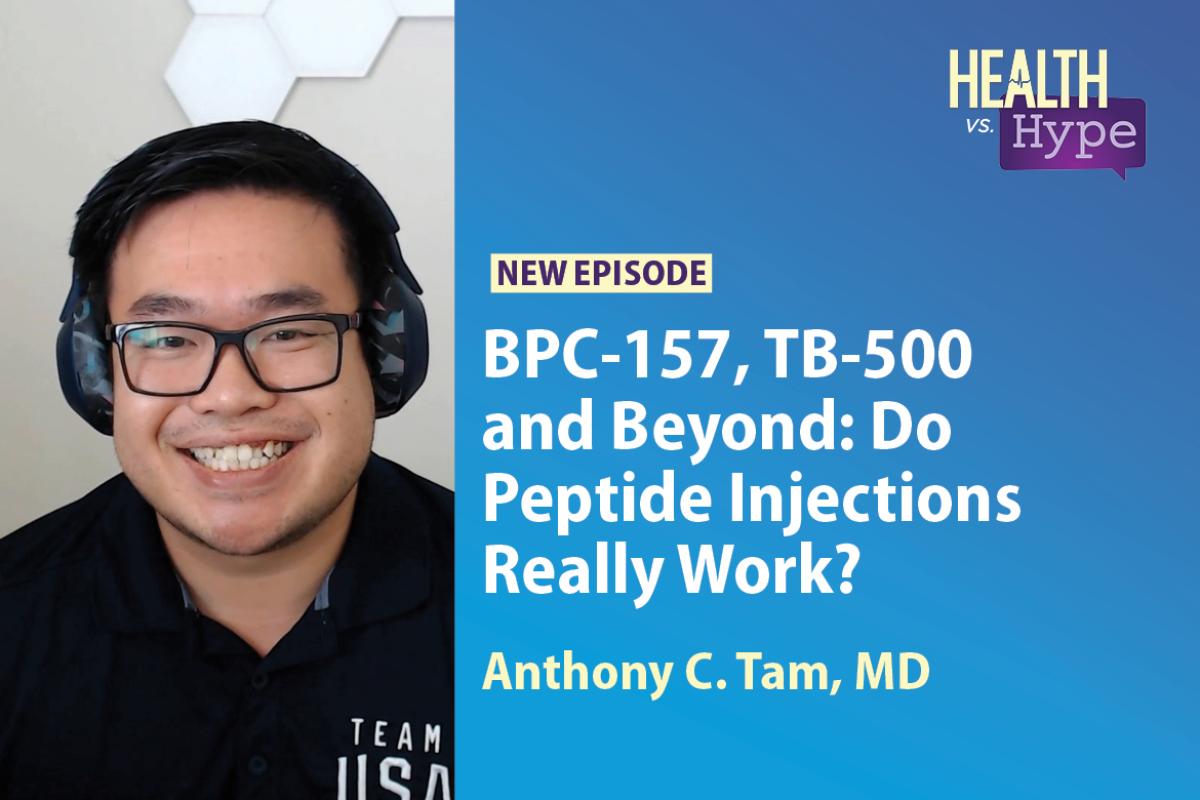
Earlier this year, the AMA launched the “Health vs. Hype” podcast. Produced in partnership with iHeartRadio, the podcast takes on medical misinformation, viral health trends, DIY medicine and common health myths to help listeners understand what’s real, what’s risky and what’s backed by science. Host Trace Dominguez fact-checks popular health claims, explains how medical misinformation spreads and reveals the real-world consequences of getting it wrong.
Episodes have covered much-touted trends such as protein maxxing, creatine, detoxes and intermittent fasting. The latest episode examines whether probiotics, prebiotics, sea moss and fermented foods really improve your gut health. And what does the science actually say about your gut microbiome?
This is the show where physicians and the AMA take the loudest wellness trends on the internet and ask the questions only science can answer. Subscribe to “Health vs. Hype” now and never miss an episode.
Sunday, Nov. 8
Education sessions today
Delegates at the Walt Disney World Swan and Dolphin Resort have the chance to partake of these education sessions, among others (all times EST, with locations in parentheses):
- 8:30–9:30 a.m. “AMA Council on Ethical and Judicial Affairs Open Forum: Free Speech and Evidence-Based Medicine.” (Northern Hemisphere Salon E1–E2, Dolphin, Fifth Floor)
- 9:45 –10:45 a.m. “Litigation Center Open Meeting.” (Northern Hemisphere Salon A3–A4, Dolphin, Fifth Floor)
- 11 a.m. “A Report From the Truth, Reconciliation, Healing and Transformation Task Force: Examining Maternal Health Inequities.” (Northern Hemisphere Salon E1–E2, Dolphin, Fifth Floor)
Learn more about these education sessions and how to claim CME credit.
A new home for AMA videos
If you follow the AMA on social media platforms such as Facebook or Instagram, you have doubtless seen a number of AMA videos designed to reach and engage physicians and their patients. Many of these, of course, are featured on the AMA’s YouTube page.
Popular playlists on the AMA YouTube page include:
And earlier this year, a new home for videos was launched on the AMA website. This webpage features speeches by AMA leadership and videos detailing how the AMA is fighting for doctors on issues such as Medicare physician payment reform, doctor burnout, scope of practice and more.
One video on the page features Dr. Underwood and Camille A. Clare, MD, MPH, CPE—president of the American College of Obstetricians and Gynecologists—discussing the need to adopt modernized CPT® codes for reporting maternal care services.
With its final 2027 Medicare physician payment schedule, the Centers for Medicare & Medicaid Services this week decided to adopt those codes. In an AMA statement, Dr. Underwood said the move “is a significant step to advance maternal health in the United States. This profound change will deliver better, more accurate data and save lives.”
Saturday, Nov. 7
Reference committees this afternoon
AMA delegates will offer testimony today covering nearly 200 reports and resolutions that are up for consideration at the meeting. Delegates draw on their expertise, the best evidence in the medical and health policy literature, and the insights of their state medical associations and national medical specialty societies to weigh in on proposals that run the gamut of issues affecting patients and physicians.
A second opening session of the AMA House of Delegates happens at noon EST in Pacific AB, First Level, Dolphin. Fifteen minutes after that session adjourns, these reference committees will meet from until 6 p.m. EST today:
- Reference Committee on Amendments to Ethics & Bylaws, which covers the AMA constitution, bylaws and medical ethics matters. (Southern Hemisphere Salon IV–V, Dolphin, Fifth Floor)
- Reference Committee B, which covers legislation. (Northern Hemisphere Salon B, Dolphin, Fifth Floor)
- Reference Committee C, which covers medical education. (Northern Hemisphere Salon C, Dolphin, Fifth Floor)
- Reference Committee F, which covers AMA governance and finance. (Northern Hemisphere Salon A, Dolphin, Fifth Floor)
- Reference Committee J, which covers medical practice. (Northern Hemisphere Salon D, Dolphin, Fifth Floor)
- Reference Committee K, which covers science and public health. (Northern Hemisphere Salon E, Dolphin, Fifth Floor)
Watch this short video to learn more about the nuts and bolts of how AMA policy is made.
Is your health system on the list?
Efforts to alleviate administrative burdens and cultivate a healthier work-life balance lie at the heart of improving physician well-being. These initiatives, focused on reducing stress and bolstering mental health, are essential to creating a supportive environment where doctors can truly thrive. By embracing these changes, forward-thinking health systems reaffirm their commitment to helping physicians find joy and fulfillment in their work, transforming the healthcare experience for both patients and physicians.
Through their ongoing efforts to reduce physician burnout and enhance well-being, 92 healthcare organizations are being honored this year by the AMA Joy in Medicine® Health System Recognition Program. This brings the currently recognized total to 194 organizations, which represents nearly half a million physicians. Each health system is recognized for a two-year period.
This recognition represents the outstanding efforts these organizations have initiated to address the systemic causes of physician burnout in areas such as commitment, assessment, leadership, teamwork, peer support and practice-environment efficiency.
“Supporting physician well-being helps create better care for everyone,” said Dr. Underwood, the AMA’s president. “Studies show that when physicians are supported, patients benefit from safer care, higher quality, and a better overall experience.
Learn about registering your intent to apply for the 2027 Joy in Medicine Program. To get automatic updates about the Joy in Medicine Program, sign up to stay connected.
Friday, Nov. 6
Dr. Whyte to physicians: Lead medicine’s next frontier
AMA CEO John Whyte, MD, MPH, issued a call to action tonight for the nation’s physicians, saying their leadership is needed now more than at any prior point in the organization’s 179-year history. Dr. Whyte urged physicians to join in a journey into uncharted territory for medicine—one that will require navigating the challenges posed both by new technologies and familiar obstacles—while expressing optimism that physicians are up to the task.
“The opportunities before us are extraordinary, and physicians have an essential role in realizing them,” Dr. Whyte told the delegates. “But we cannot assume that the future will simply work itself out. We have to shape it.”
The AMA, he said, must take the lead as physicians’ partners on the journey, providing timely, trustworthy information, guidance and advocacy.
Read more from Dr. Whyte about how the AMA is putting its strategic priorities into action—and what that means for the future of the profession.
AMA president urges fresh thinking to help transform healthcare
Invoking the late Apple Inc. CEO Steve Jobs as a model for bold, disruptive thinking, AMA President Willie Underwood III, MD, MSc, MPH, told physicians gathered at tonight’s opening session that medicine can no longer afford to accept the status quo. Instead, the profession must begin reimagining what’s possible for patients, physicians and the future of healthcare delivery.
Dr. Underwood recalled an era in the not-too-distant past when people carried around cumbersome binders of compact discs because “it was the system and the system worked.” Steve Jobs changed the equation by imagining something entirely different. Dr. Underwood implored the hundreds of delegates gathered to ask: What if we could design a better health system?
“What if we looked at something familiar and saw a new possibility?” Dr. Underwood said. “A health system truly built around the needs of patients and physicians. I believe we have both the opportunity and the responsibility to do exactly that.”
Learn more from Dr. Underwood about how the AMA can turn patients and physicians' frustration with the current healthcare system into the inspiration for bold, effective change.
House of Delegates’ meeting starts today
Hundreds of physicians and medical students are gathering in Florida for the 2026 AMA Interim Meeting to consider proposals across a wide range of clinical practice, payment, medical education and public health topics. The meeting’s opening session starts tonight at 6 p.m. EST and will feature addresses by AMA President Willie Underwood III, MD, MSc, MPH, and CEO John Whyte, MD, MPH.
The AMA House of Delegates will work in a democratic process to create a national physician consensus on emerging issues in public health, science, ethics, business and government to improve the care and public health of patients and communities. The policies adopted at this meeting will give the AMA direction and act as a driving force on the future of American medicine.
In doing so, the delegates will strengthen the AMA in its relentless advocacy role on behalf of America’s patients and physicians.
The recently updated “AMA Advocacy Impact Report” details how the AMA is:
- Protecting access to care.
- Reforming Medicare payment.
- Fixing prior authorization.
- Promoting physician-led care.
- Improving physician well-being.
- Leading the transformation of medicine.
- Standing up for science.
- Shaping medicine's future through thought leadership.
The AMA works to generate support for policies critical to the nation’s healthcare system—and it cannot be done without physicians’ help.
- Ways to get involved with AMA advocacy.
- Attend the National Advocacy Conference.
- Discover the Physicians Grassroots Network.
- Subscribe to “AMA Advocacy Update.”
- Become an AMA member.
AMA Poster Showcase this afternoon
The 2026 AMA Interim Poster Showcase will feature research from more than 400 medical students and residents. Meeting attendees are encouraged to stop in to speak with presenters about their work and enjoy refreshments.
Visit the showcase—3–5 p.m. EST in Atlantic C, First Level, Dolphin—to view posters and presentations on a variety of topics and specialties. AMA members can submit their votes to help decide the best in show. You also can connect with participants by providing feedback, asking questions and giving accolades to help advance their research.
This year’s showcase will be held in conjunction with the AMA Career Resources event in the same exhibit hall, which starts at 2:30 and also concludes at 5 p.m. That event features opportunities to get free professional headshots, learn details about AMA member benefits, strengthen clinical skills through hands-on training, and receive guidance from experienced physician facilitators.
For medical students looking to hone their research skills, the AMA offers resources and programs that bring you from the basics all the way to the AMA Research Challenge where you can compete for a $10,000 prize, presented by KeyBank.
Education sessions today
Among the educational offerings available to delegates at the Walt Disney World Swan and Dolphin Resort, are these sessions (all times EST, with locations in parentheses):
- 9:15–10:30 a.m. “Federal and Commercial Value-Based Models: Navigating the New Payment Landscape.” (Osprey 1, Lobby Level, Swan)
- 10:45–11:45 a.m. “Entrepreneurial Opportunities for Independent Practice Physicians.” (Swan 3, Lobby Level, Swan)
- 12:15–1:30 p.m. “Aligning AI Implementation With Physician Well-Being.” (Osprey 1, Lobby Level, Swan)
- 2–3 p.m. “Aggregator Models: A Panel Discussion.” (Swan 3, Lobby Level, Swan)
- 2–3 p.m. “The Art of the Side Project: Building a Career Beyond the Clinic.” (Northern Hemisphere Salon E2, Dolphin, Fifth Floor)
- 2:30–3:30 p.m. “Visionaries at the Forefront: Physicians and Innovators Transforming Medicine With AI.” (Swan 7/8, Lobby Level, Swan)
- 4–5 p.m. “Recognizing Complexity in Aging Patients: The Role of Routine Care and Geriatric Assessment.” (Swan 6, Lobby Level, Swan)
Learn more about these education sessions and how to claim CME credit.
Quick links for the meeting
These essentials will help you get the most out of the meeting.
- Access the reports and resolutions delegates will consider, as well as reference committee reports and final actions as they become available.
- Search the AMA Pictorial Directory to find your peers and stay connected before, during and after Annual and Interim Meetings (AMA members only).
- Find instructions on downloading and accessing the meeting app.
- Learn about the education sessions offered and how to claim CME.
Follow the meeting on social media
Highlights of the meeting’s key moments and House of Delegates policy actions will be posted daily at the AMA website, the 2026 AMA Interim website, and the AMA’s Facebook page, Bluesky, Instagram, LinkedIn and X account using #AMAmtg.
Addresses from leadership and more will be featured on the AMA videos webpage.