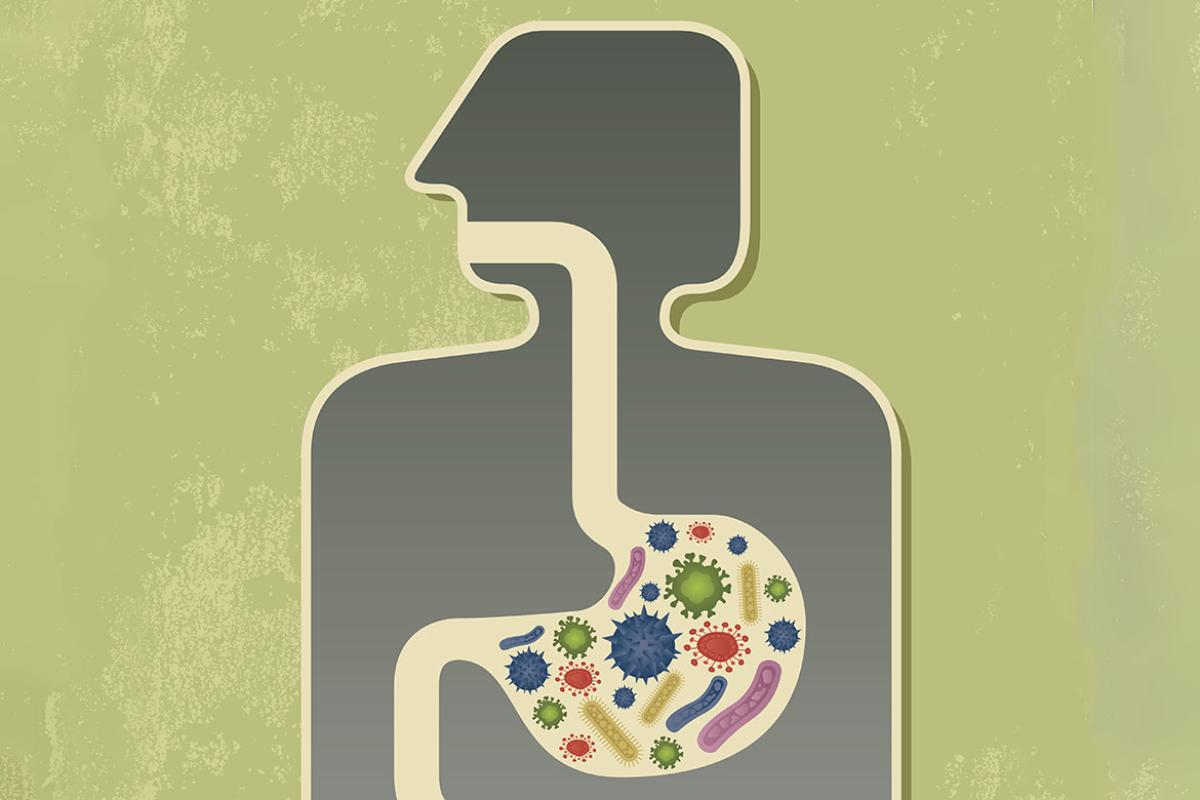
Microbes such as bacteria, parasites, viruses and fungi constantly evolve. It happens naturally. But they may also evolve as a result of the misuse and overuse of antibiotic, antiparasitic, antiviral and antifungal agents, giving them added antimicrobial resistance. That makes them harder to treat in humans, animals and plants.
The May issue of AMA Journal of Ethics® (@JournalofEthics) looks at the ethical, clinical and policy dimensions of this phenomenon. It investigates how routine and focused surveillance is vital to understanding the microbiological, individual, social and ecological root causes of antimicrobial resistance, as well as resultant inequities.
The May issue of AMA Journal of Ethics includes the following articles:
-
“What Is Ethically Important About Antimicrobial Resistance?”
-
As humans shape the environment through agriculture, industrialization, globalization, and technology, ecologies, including their microbes, evolve and adapt.
-
-
“AMA Code of Medical Ethics’ Opinions Related to Antimicrobial Resistance.”
-
This article summarizes how the AMA Code of Medical Ethics can be applied to antimicrobial resistance.
-
-
“How Should We Manage Antimicrobial Resistance in Resource-Limited Settings?”
-
Patients living in low- and middle-income countries shoulder the greatest burden of infections caused by antimicrobial-resistant pathogens.
-
-
“How Should Health Care Respond to Threats Antimicrobial Resistance Poses to Workers?”
-
Antimicrobial resistance is a looming pandemic, and poor health outcomes will not be borne equitably.
-
Listen and learn
The journal’s May “Ethics Talk” podcast features a discussion with Lloyd Duplechan, president of the Healthcare Environment Institute, LLC, and a former hospital chief operating officer, about health organizations’ responsibilities to protect employees and community members from antimicrobial resistance.
The May issue also features three author-interview podcasts. Listen to previous episodes of the “Ethics Talk” podcast or subscribe in iTunes or other services.
Also, CME modules drawn from this month’s issue are collected at the AMA Ed Hub™ AMA Journal of Ethics webpage.
Win $5,000 for your essay, artwork
Submissions for the 2024 Conley Contests are being accepted through Sept. 23.
Those eligible to submit entries are:
- U.S. MD and DO students.
- Resident physicians or fellows in programs accredited by the Accreditation Council for Graduate Medical Education or American Osteopathic Association.
- Early career physicians who have completed advanced training within the last five years.
The winning prize for the best essay and artwork, respectively, is $5,000. Learn more about the Ethics Essay Contest and the Art of Medicine Contest.
A look ahead
The next issue of the journal will focus on antimicrobial stewardship. Sign up to receive email alerts when new issues are published.