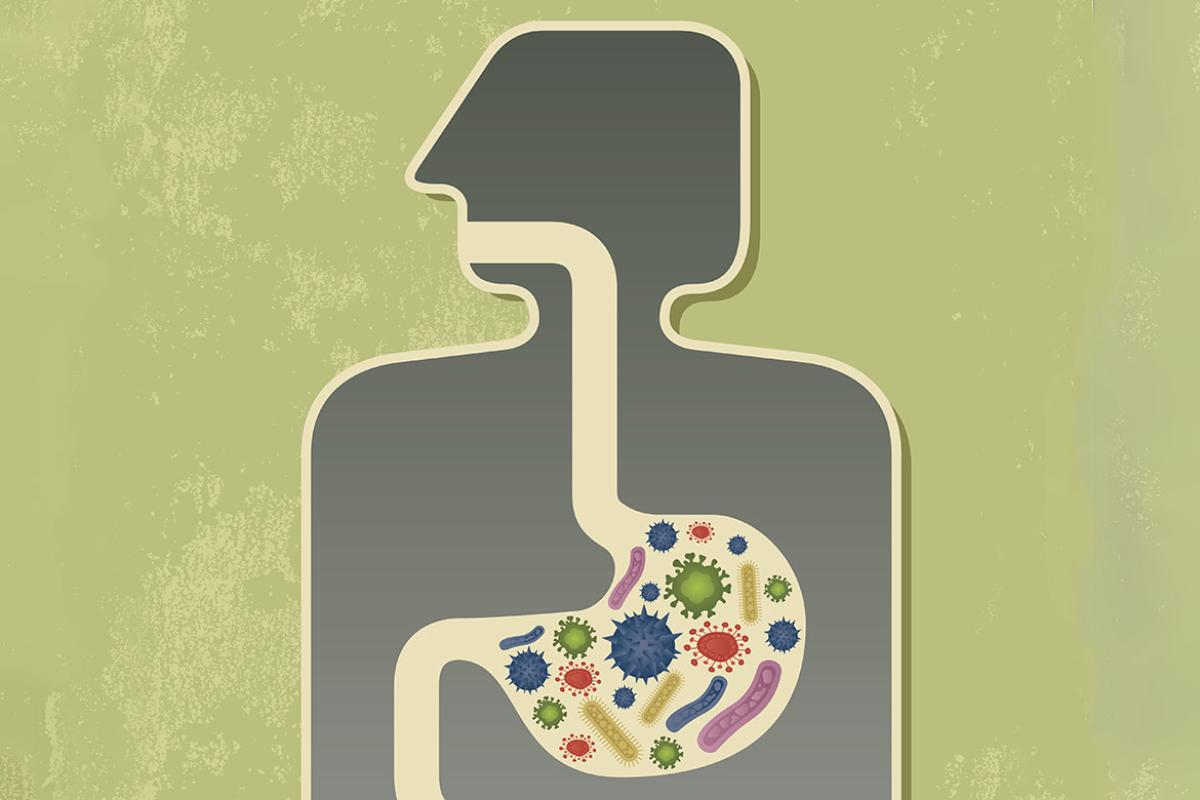
Nutrition refers to the study and process of how food and beverages influence our bodies’ growth, energy supply and overall well-being. Its principles are the foundation for good health and play a crucial role in improving quality of life and preventing disease. Good nutrition is more than just calorie counting—it involves making informed choices that supply the body with the full range of required nutrients, including carbohydrates, proteins, fats, vitamins and minerals.
Why nutrition is important to good health
A healthy diet is one of the most effective ways to prevent and manage a range of chronic health conditions, such as type 2 diabetes, heart disease and obesity. A healthy dietary pattern emphasizes fruits, vegetables, legumes, whole grains and lean proteins such as fish and poultry while also integrating healthy fats like those found in olive oil and nuts. These foods supply key nutrients that serve a variety of functions in the body, from supporting immune health to building muscle and maintaining bone strength.
Practical steps to take to pursue good nutrition
Nutrition has a direct effect on the quality of life at every stage. Understanding what nutrients the body needs and how to build a balanced meal helps individuals proactively manage their health.
It is important to follow proper eating patterns that include nutritious foods and drinks. Practical steps to achieve good nutrition include preparing meals at home, selecting a variety of foods from different groups, controlling portion sizes and reducing intake of added sugars and added salt. It can be helpful to create an eating schedule to plan out the week. Additionally, learning to read nutrition labels is a practical step toward more nutritious eating. Limiting highly processed foods with lots of added sugar, sodium, and unhealthy fats while focusing on minimally processed options supports better health outcomes.
Keep in mind that there is no “one size fits all” diet—what works for one person might not work for another given certain medical conditions, gender or age. A personalized nutrition plan offers an approach to healthy eating that is specific to your lifestyle. Even modest improvements in nutritional habits can yield positive effects for health over time.
Making informed choices and leveraging reliable resources promotes sustainable improvements in health and well-being. By prioritizing balanced nutrition in daily routines, individuals participate actively in their own health.
AMA resources on good nutrition
The AMA has long supported reducing added sodium in foods, limiting consumption of sugar-sweetened beverages, and increasing awareness of the health risks associated with highly processed foods. In addition, AMA continues to work with Congress to expand food labeling efforts, incentivize nutrient dense foods and increase investment in nutrition research and education.
Building on this longstanding policy, AMA offers the following resources focused on helping physicians increase foundational knowledge and better incorporate nutrition into clinical practice:
- Stay up to date on nutrition news from the AMA.
- Find out what physicians need to know about the latest U.S. dietary guidelines.
- AMA PolicyFinder: Search for AMA nutrition policy.
- AMA Ed Hub™:
- Healthy Diet and Dietary Patterns webinar series features in-depth discussions with physicians, nutrition experts and public health leaders.
- Fulfill CME requirements or browse other nutrition resources.
- An AMA Ed Hub nutrition and health course covers the role of nutrition in preventing and treating chronic disease, research on dieting, obesity management and weight loss, issues of equity and ethics, plus more.
- JAMA Network™: Explore more on nutrition & diet.