For many physicians, the daily grind of EHR documentation extends well beyond clinic hours, fueling frustration and burnout. At Sutter Health, leaders are testing whether ambient augmented intelligence (AI)—also known as artificial intelligence—can help turn the tide.
In a pilot study recently published in JAMA Network Open, Sutter Health physicians and nonphysician providers reported less time spent on after-hours notes, more attention for patients and signs of reduced stress. While challenges remain, the findings point to how AI-driven documentation may support physician well-being when introduced responsibly and thoughtfully.
National surveys conducted by the AMA show that physician burnout rates peaked at 62.8% in 2021, before returning to near 2011 levels in 2023. Physicians remain 82% more likely to report burnout than workers in other fields, according to a study published in Mayo Clinic Proceedings.
The EHR is one of the bigger drivers of burnout. Previous findings show physicians are “spending two hours of desktop medicine documenting for every hour that they’re spending with patients,” said Veena Jones, MD, a pediatrician and chief medical information officer at Sutter Health, during a presentation at the 2025 American Conference on Physician Health™ in Boston.
Sutter Health is part of the AMA Health System Member Program, which provides enterprise solutions to equip leadership, physicians and care teams with resources to help drive the future of medicine.
“Another national survey showed that about 77% of physicians reported that these excessive documentation tasks were leading to longer clinic hours or the need to work from home,” Dr. Jones said. “Those clinicians who indicated that they had a more favorable view and experience and were highly satisfied with the EHR were less likely to be burned out, which can suggest that changes made to the EHR, particularly through documentation, may be able to provide some relief to this.”
Sutter Health, which spans Northern and Central California, engaged 100 physicians across multiple specialties and eight medical groups for its first pilot with ambient AI. Leaders intentionally included both primary care and specialty physicians as well as informatics champions who could serve as early adopters and mentors.
Survey responses from physicians demonstrated encouraging shifts. The share of doctors who self-reported spending an hour or less per week on after-hours notes rose from 14% to 54%. Those who felt able to give patients their full attention climbed from 58% to 93%. And burnout scores dropped from 42% to 35%.
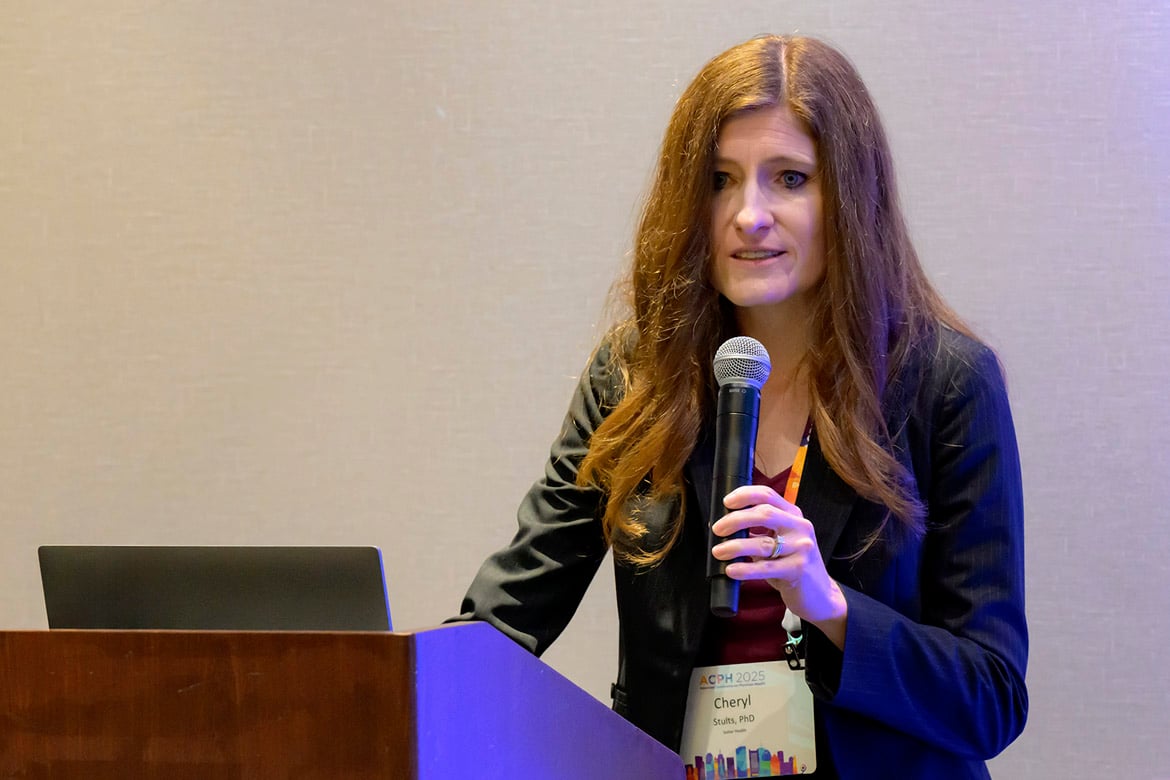
“Regarding task load and cognitive burden, all three of the measures—difficulty accomplishing note writing performance, having to complete notes at a hurried and rush pace, and just the overall mental demand from these tasks—decreased statistically significantly from the pre to the post period,” said Cheryl Stults, PhD, a senior scientist in the Center for Health Systems Research at Sutter Health.
As the leader in physician well-being, the AMA is reducing physician burnout by removing administrative burdens and providing real-world solutions to help doctors rediscover the Joy in Medicine®.
Learn from the limitations
Early users noted several challenges: lack of full EHR integration, limited ability to customize note format, and specialty-specific gaps in physical exam templates.
“Despite all of the benefits, there were also some challenges and limitations that they noted from their experience with AI,” said Stults. “When our pilot was launched back in April 2024, at the time it was not fully integrated into the EHR. Physicians either had to copy and paste into the EHR or do an additional step to incorporate it into that.”
That has changed since then, and the technology is now fully integrated into the EHR.
Additionally, physicians were “unhappy that they were unable to customize or format the progress note for future ones, so if they like their note formatted a certain way, they would have to do it every single time—they wanted a way for the AI to remember or to have a level of permanent customization,” she said, noting “it was very intentional making sure there was representation from a lot of specialties to tailor the note.”
Physicians also wished for additional functionalities such as being able to directly dictate and have it word for word.
Despite these challenges and limitations during the pilot, many wanted to keep using the tool, with one physician even remarking, “I’m very committed to making this work and I really believe that AI will be the way we chart in the future.”
From AI implementation to digital health adoption and EHR usability, the AMA is fighting to make technology work for physicians. That includes recently launching the AMA Center for Digital Health and AI to give physicians a powerful voice in shaping how AI and other digital tools are harnessed to improve the patient and clinician experience.
The standard of care in physician well-being recognition
Institutions in this article have been honored by the Joy in Medicine® Health System Recognition Program.

Scale with support, not mandates
Once full EHR integration was ready, Sutter Health moved from pilot to systemwide enrollment. Physicians opted in through a simple self-service form, and most could get started after watching two short e-learning videos.
While it will look different in every health care organization, at Sutter Health “part of the uncertainty of knowing how this would go drove us towards a staged monthly implementation where we had our physicians indicate interest with subsequent onboarding,” Dr. Jones said. “Once we had full EHR integration, we began a self-enrollment process, which was a really simple form. If anyone wants it, they go to our site, they sign up and within a month they will be provisioned.”
Sutter Health also spent time to improve its training and onboarding support system, quickly learning that more than two-thirds of physicians believed they could get the technology live quickly and on their own.
That is why “we created a self-service e-learning module with two, seven-minute videos that physicians could view and—upon completing those—they could be good to go,” Dr. Jones said.
Additionally, carefully selected clinical champions provided at-the-elbow demonstrations, while a digital academy support team offered targeted follow-up.
An AMA STEPS Forward® webinar, “AI Tools for Documentation: The Newest Member of the Care Team,” offers additional insight into how ambient AI tools can help make technology work for physicians, care teams and patients.
Look at monthly use
Sutter Health also runs “monthly reports looking at utilization and have the team do targeted outreach to those who are not using it to say: Hey, can we help you?” said Dr. Jones. “And if not, we actually go through a license repurposing program.”
“We've actually been able to improve our utilization pretty significantly with some of that targeted support,” she said. “Then, back in March, we were actually the first customer to launch a fully integrated inpatient experience with our ambient AI vendor.
“And it was, again, that we waited for that before we rolled this out in our hospital setting,” Dr. Jones added, noting that as of September, Sutter Health was “going through the same process in our hospitals and our EDs for self-service enrollment expansion.”
“The pull versus push has been incredible,” Dr. Jones said. While previously she has often been in the position of “pushing” necessary but difficult IT changes to the chagrin of doctors and other health professionals, that dynamic has reversed in the case of ambient AI.
“In my career, this is one of the most exciting things to be a part of because physicians are pulling for it, and they want it,” she said. “We have over 1.2 million notes written and that’s increasing at 50,000 a week.”