The AMA Government Relations Advocacy Fellow (GRAF) is a full-time paid member of the AMA's federal advocacy team and serves for one year. The position, based in Washington, D.C., requires that the student take a one year leave from medical school.
The fellow reports to the AMA's director of the division of legislative counsel and the director of the Medical Student Section (MSS). This position is ideal for those who are interested in learning more about and gaining real-world experience in physician-led advocacy at the federal level.
The fellowship is not only a unique opportunity for a medical student to become involved in the AMA’s advocacy work, but also an important interface between the organization and medical students.
2026-2027 GRAF
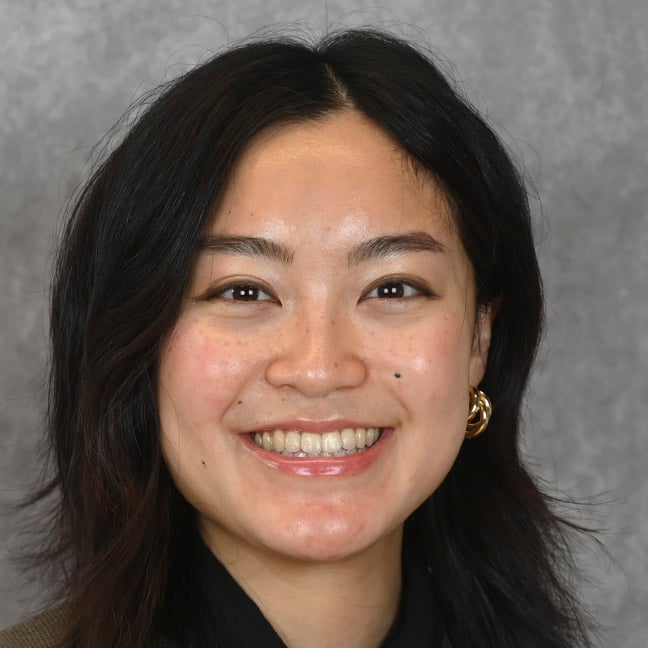
The current GRAF for 2026-2027 is Jackie Liu (she/they), a fourth-year medical student at Harvard Medical School. Prior to starting as GRAF, Liu served as a member of the Standing Committee on Gender and Sexual Health of the MSS. They also serve as the Sexual and Gender Health Subcommittee lead for Doctors for America and the co-advocacy lead for Medical Students for Size Inclusivity. Passionate about issues of health equity and access, prior to medical school, Liu worked as a health policy research assistant at the Urban Institute. Upon finishing medical school, Liu hopes to match into general surgery.
Download the list of previous GRAFs. (PDF)
GRAF responsibilities
A key goal of the fellowship is to educate medical student, resident, and young physician AMA members about issues in public health and health policy.
The fellow encourages AMA members to incorporate activism and leadership in their subsequent training and practice at local, state and national levels. Examples of duties and assignments for the fellow include:
- Research and analyze current issues in health and medical education policy.
- Travel to medical schools around the U.S. to engage membership, recruit members and develop leaders.
- Attend briefings and networking events both alone and alongside AMA staff to represent the organization.
- Plan and organize the annual AMA Medical Student Advocacy Conference (MAC) in Washington, D.C. as well as the annual virtual Advocacy in Action Workshop.
- Work closely with other MSS committees on national campaigns, such as National Advocacy Week.
- Meet and work with leaders in healthcare policy and advocacy to implement the AMA's action plan on key issues.
- Speak to medical students and resident physicians to inform them about public health and policy issues.
- Help the MSS develop and communicate its policy agenda, primarily by implementing approved MSS Action Items (AIs).
- Provide regular legislative updates to MSS leadership and the MSS assembly.
- Develop talking points, letters, educational presentations and other advocacy documents.
If you'd like to find out more about the GRAF role or want to contact the current GRAF, please email [email protected].