When it comes to applying for physician residency positions, a home program can hold a powerful pull for many applicants.
About one in four U.S. MD graduates enter residency programs affiliated with their medical schools each year, according to data from the Association of American Medical Colleges. The analysis, based on data across eight academic years—from 2015–2016 through 2022–2023—has remained stable, with placements ranging from 23% to 25% annually.
Wayne Bond Lau, MD, is a dean for student affairs at Thomas Jefferson University's Sidney Kimmel Medical College in Philadelphia. Dr. Lau is a “Jefferson lifer,” having attended medical school, trained as a resident and then gone on to work as a faculty member in the Jefferson Health system.
Jefferson Health, which is the home of Sidney Kimmel Medical College, is part of the AMA Health System Member Program that provides enterprise solutions to equip leadership, physicians and care teams with resources to help drive the future of medicine.
For those weighing the merits of training at their home program for their graduate medical education, Dr. Lau offered a few pros and cons.
Pro: You know the lay of the land
As a residency applicant, you almost assuredly have done a rotation in the specialty to which you are applying to at your home program. You should have some idea about how things run and what is expected of residents.
“You already know a good contingent of the people that you’re going to be working with,” Dr. Lau said.
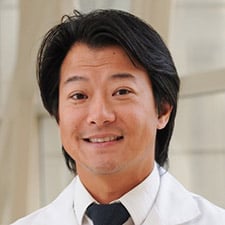
“You know the teachers, you know the patient population, you know the styles of different faculty members. Coming right in, right from day one as an intern, which is already a very scary process, that can be very comforting.”
If you do have questions about culture and expectations, you also have a good resource at your disposal: current interns who can give you insight on their experiences.
When it comes time for your residency interview at your home program, you are likely going to know several of the people with whom you are going to speak. While that is likely to make you more comfortable, Dr. Lau cautioned against getting too familiar come interview day.
Successfully plan your path to residency, from researching programs and excelling at interviews to navigating Match Day, with the AMA Road to Residency Guide.
Con: It can be hard to shed the student label
Drawing from his own experience of doing graduate medical education at the same place where he completed his undergraduate medical education, Dr. Lau said it can be harder to fully step into the professional identity of a physician during residency at your home institution. Faculty who once saw you as a medical student may still see you through that lens—and you might see yourself that way as well.
“Sometimes there’s this feeling that if you’re being taught by these same teachers that saw you as a student, it can be hard to kind of grow out from behind the shadow of the tree,” Dr. Lau said.
Moving from medical school to residency, “I was now a colleague of theirs, but in the beginning I never felt very comfortable with that. I needed several years to acclimate to that role.”
Pro: You can maintain mentor relationships
Another advantage is that existing relationships with faculty can carry into residency. Medical students who admired certain attendings often get the chance to train directly under them as residents, creating continuity in mentorship.
“If you have mentors and previous people that you’ve looked up to that are now in your corner as your direct teachers for residency, which can be very comforting,” Dr. Lau said.
Con: You are passing on a new experience
Staying at your home program might be the comfortable choice. It doesn’t mean it’s the right one. Among other things, it means that you may not be exposed to different approaches to the same problems. Working in another health system can expand your experience and can enrich your knowledge and skill.
Residency does offer a natural breaking point for many applicants.
“The disadvantage of matching in a program that’s outside of your school is that it’s a completely brand-new system,” Dr. Lau said. “You may want to train in a new city. There may be lots of people that support you in that new city, and that’s a very exciting thing.”
Having trained in one health system, Dr. Lau felt his decision to stay was the best one for his path as a physician. But as for applicants making the choice, it’s highly individualized.
“Life is about making new experiences, and change is not always positive, it’s not always negative,” he said. “You have to see both sides of the coin.”