Elections will be held at the Annual Meeting of the House of Delegates on June 9, 2026.
Officers and five councils are elected by the American Medical Association House of Delegates (HOD) at the Annual Meeting. Elections for contested contests are held during a special election session under the supervision of the Committee on Rules and Credentials and the chief teller, who are appointed by the speakers. Voting is conducted by secret ballot.
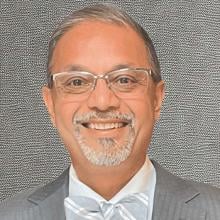
Raj Ambay, MD
Board of Trustees
Term: 2026-2030
Leadership for a defining moment
The explosion of AI in health care, combined with a rapidly changing political environment, represents a defining moment for medicine. I bring strong clinical experience, sound judgment, proven business acumen and practical expertise in AI. I am seeking election to the Board of Trustees to bring greater transparency, clearly defined goals and measurable outcomes that physicians can see in daily practice. We live in a world measured by outcomes, not intent. I believe my experience meets this moment and applies across every specialty and region.
As a board-certified plastic surgeon in active practice, president of a multi-specialty ambulatory surgery center, and former AMA trustee, my perspective is shaped by more than two decades of service within the American Medical Association House of Delegates. My clinical, executive, and policy experience led to the founding of two health IT companies that were later acquired. As a former chief innovations officer of as large health IT company, I have led teams of developers from early coding design through implementation across both commercial and federal health systems. My continued work in private practice keeps me grounded in the realities physicians face every day.
Experience under pressure
I have served in the AMA House of Delegates for more than twenty four years and previously served as a trustee during a period of major national health reform and intense public scrutiny. That experience provided direct insight into how the Board operates and how important disciplined decision making is during moments of uncertainty. The lesson is clear: quiet diplomacy alone is not enough. Physicians need leaders who will stand up when needed.
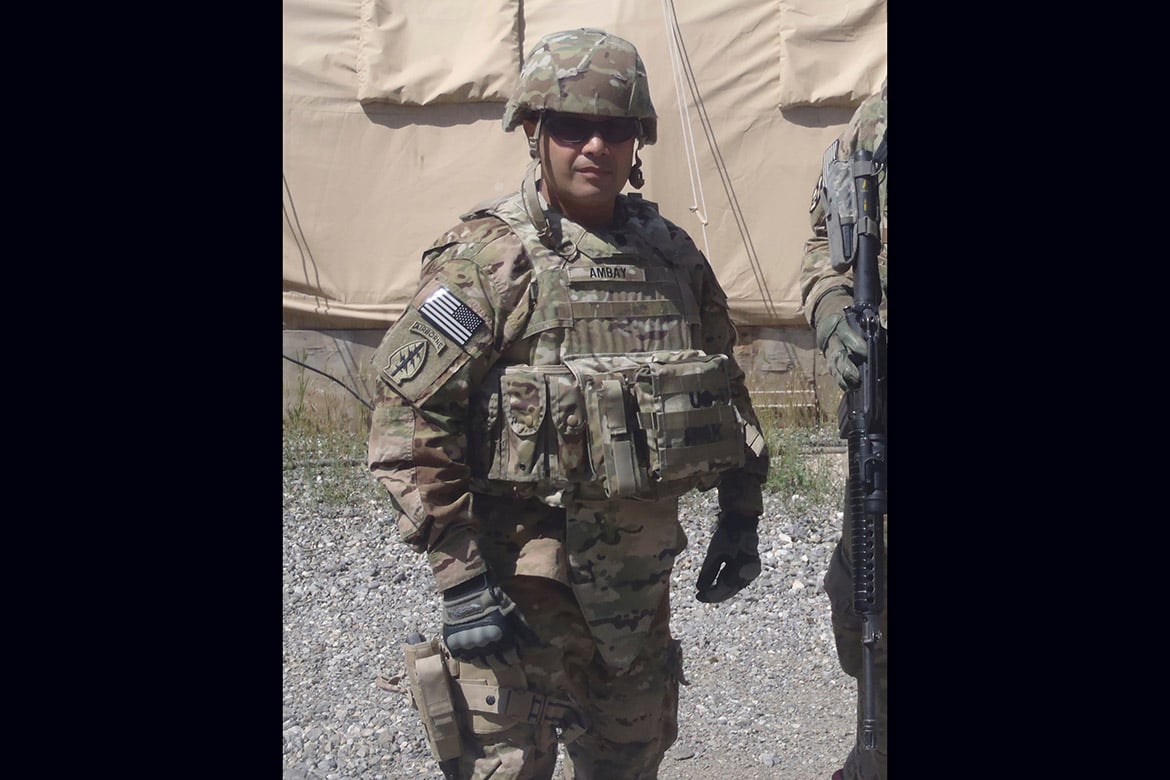
I served 30 years in the United States Army, deploying weeks after September 11 and later commanding Special Forces GHOST teams across multiple combat theaters in Iraq and Afghanistan. Military service reinforced mission focus, team leadership, and decisive action pressure. Whether in uniform or in organized medicine, my loyalty has remained the same: to the mission, to medicine and to my patients.
Service above self: Army Special Forces surgeon
Responsible innovation and artificial intelligence
My professional background includes business leadership and health technology development. I founded two information technology companies in 1990 and 2010 that were later acquired by Fortune 500 companies and have served on the board and in executive roles within major health systems and federal organizations. In recent years, my work has focused on building practical artificial intelligence and digital health systems from the ground up. Systems developed under my leadership are now used in more than 300 commercial locations as well as within federal agencies including the Department of Veterans Affairs, the National Institutes of Health, and the Agency for Healthcare Research and Quality.
In 2026, I coauthored an American National Standards Institute accepted standard for governance of artificial intelligence in health care. I continue to serve as a board member of the Health Standards Institute and on the editorial board of the Journal of Health Management Standards. The American Medical Association has a responsibility to ensure emerging technologies support physicians, protect clinical judgment, reduce administrative burden and improve patient care. That requires leaders who understand both medicine and technical systems. If elected, I believe I can make a unique contribution that benefits all physicians.
Serving the entire House of Medicine
The American Medical Association must move beyond broad statements and deliver clear, measurable solutions physicians can experience in daily practice. Payment reform, reduction of administrative burden, responsible use of technology, and physician engagement, all require disciplined execution and transparent governance. Real solutions are needed without relying on campaign clichés. I seek to serve the entire House of Medicine and help guide the association through a period of rapid change across health care. If elected, I will bring thoughtful governance, accountability and action focused leadership to the Board of Trustees.
Prepared to lead
Medicine is entering a period of rapid change. While the environment continues to evolve, my commitment to the integrity of medical practice and the physician patient relationship remains steadfast. The American Medical Association must lead with clarity and ensure that technology is developed and applied responsibly.
My experience as an actively practicing physician, engaged member of organized medicine, Army Special Forces surgeon, business leader, and health technology professional, positions me to contribute immediately and effectively. I respectfully ask for your support and your vote.
Additional resources
- Visit the AMA elections page for information on other candidates running for office.
- Find up to date information for the June Annual Meeting of the HOD.