- Joshua Cohen, MD, MPH
- Council on Science & Public Health
- Term
- This moment for public health—and why leadership matters
- Developing credible, evidence-based policy
- With thanks to my family for all their support
- And with gratitude to my mom for all she has done
- Leadership, continuity, and what a second term makes possible
- Grateful to all of my council colleagues
- Additional resources
Elections will be held at the Annual Meeting of the House of Delegates on June 9, 2026.
Officers and five councils are elected by the American Medical Association House of Delegates (HOD) at the Annual Meeting. Elections for contested contests are held during a special election session under the supervision of the Committee on Rules and Credentials and the chief teller, who are appointed by the speakers. Voting is conducted by secret ballot.
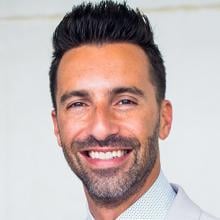
Joshua Cohen, MD, MPH
Council on Science & Public Health
Term: 2026-2030
This moment for public health—and why leadership matters
We are living through one of the most destabilizing periods for public health in modern memory. Over the past year, the institutions that anchor science based policy in the United States have faced unprecedented strain—leadership upheaval, workforce disruption, funding uncertainty, and growing political interference in scientific decision making. The consequences of this instability are not theoretical. They are felt in delayed guidance, weakened preparedness, disrupted research, and deepening public confusion about whom and what to trust. The Centers for Disease Control and Prevention has experienced repeated reorganizations, staff reductions, and the departure of respected career leaders, undermining morale and continuity at a time when clarity and credibility are most needed.
Long standing public health programs—from vaccination and injury prevention to surveillance and emergency preparedness—have been placed at risk just as communities are confronting resurging infectious diseases, worsening chronic illness, and persistent substance related harms. Trust in public health institutions, already fragile, has been further eroded by inconsistent messaging and the perception that evidence can be sidelined by ideology. At the same time, the biomedical research ecosystem has been shaken by uncertainty at the National Institutes of Health. Shifting funding policies, delayed grant awards, and threats to the infrastructure that supports research have disrupted laboratories, stalled clinical studies and placed early career investigators in professional limbo. Universities and health systems are being forced to plan without reliable signals about future support, jeopardizing the pipeline of discovery that underpins advances in patient care.
In moments like this, the role of the AMA—and specifically the Council on Science and Public Health—becomes even more vital. The House of Delegates needs steady, credible, evidence based guidance to navigate uncertainty and to help the organization lead with integrity. Science must not only be defended; it must be translated clearly and applied thoughtfully. This is the environment in which I have served on the council, and it is why continuity of experienced, principled leadership matters now more than ever.
Developing credible, evidence-based policy
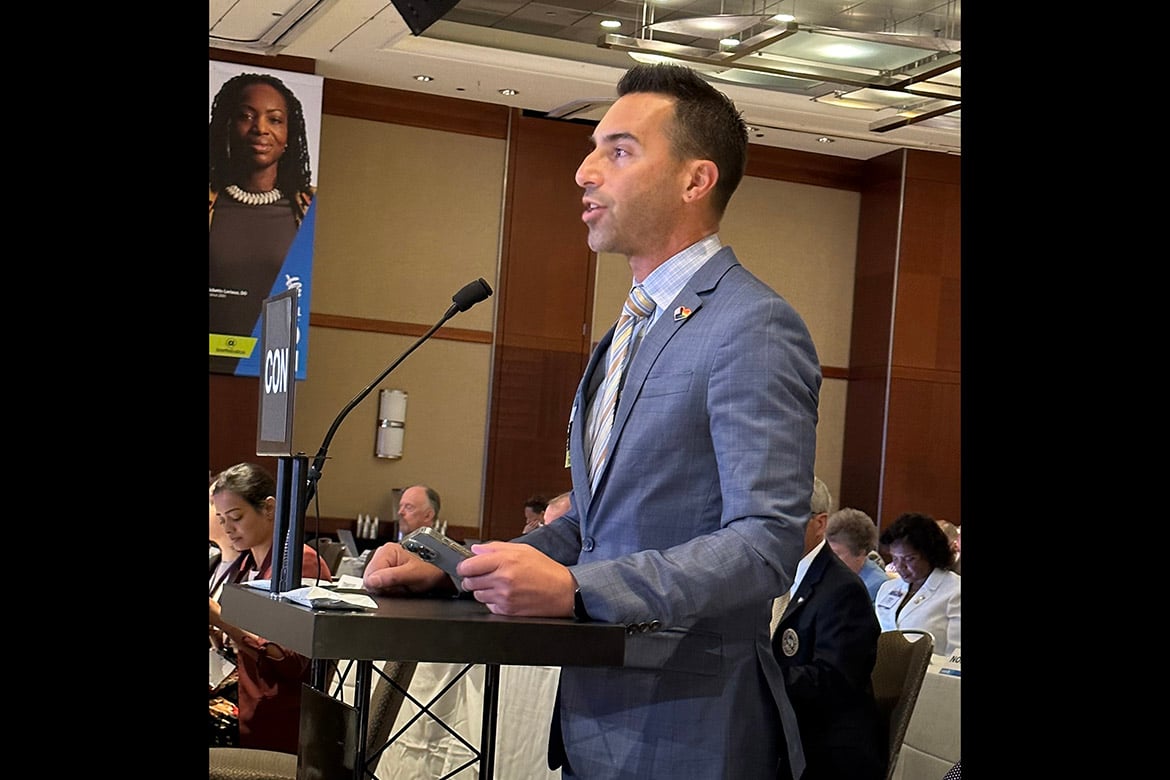
With thanks to my family for all their support
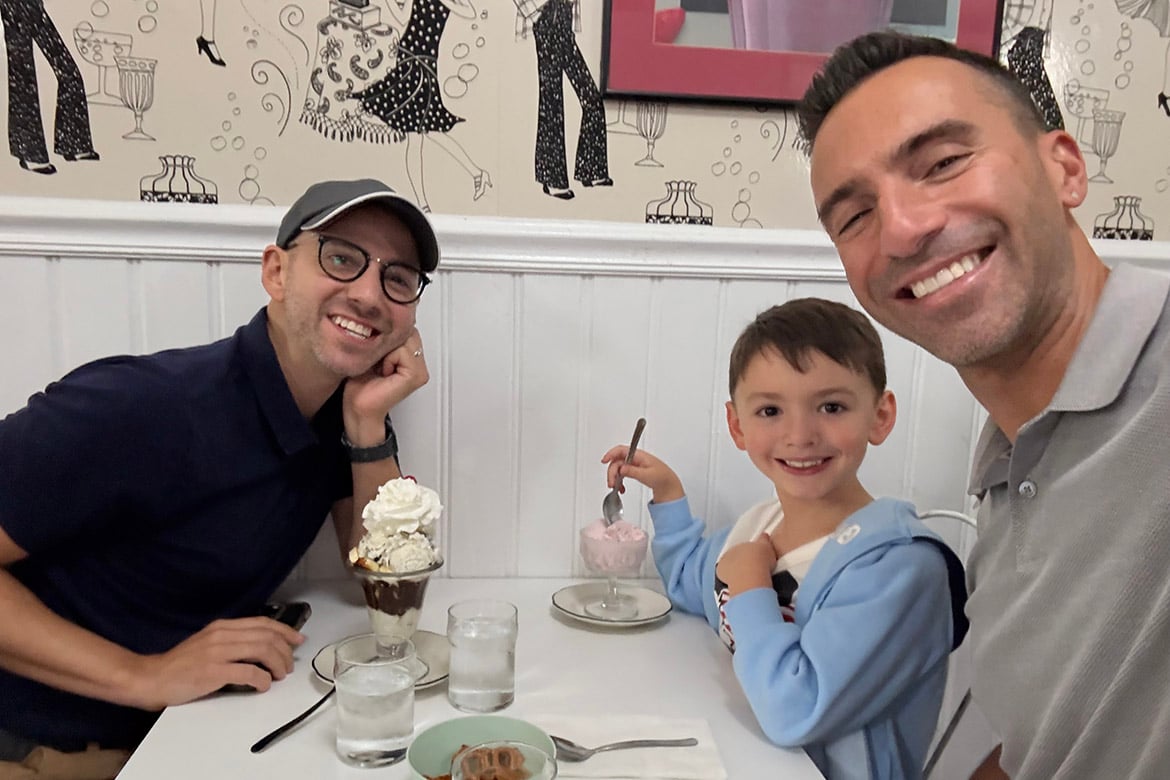
And with gratitude to my mom for all she has done
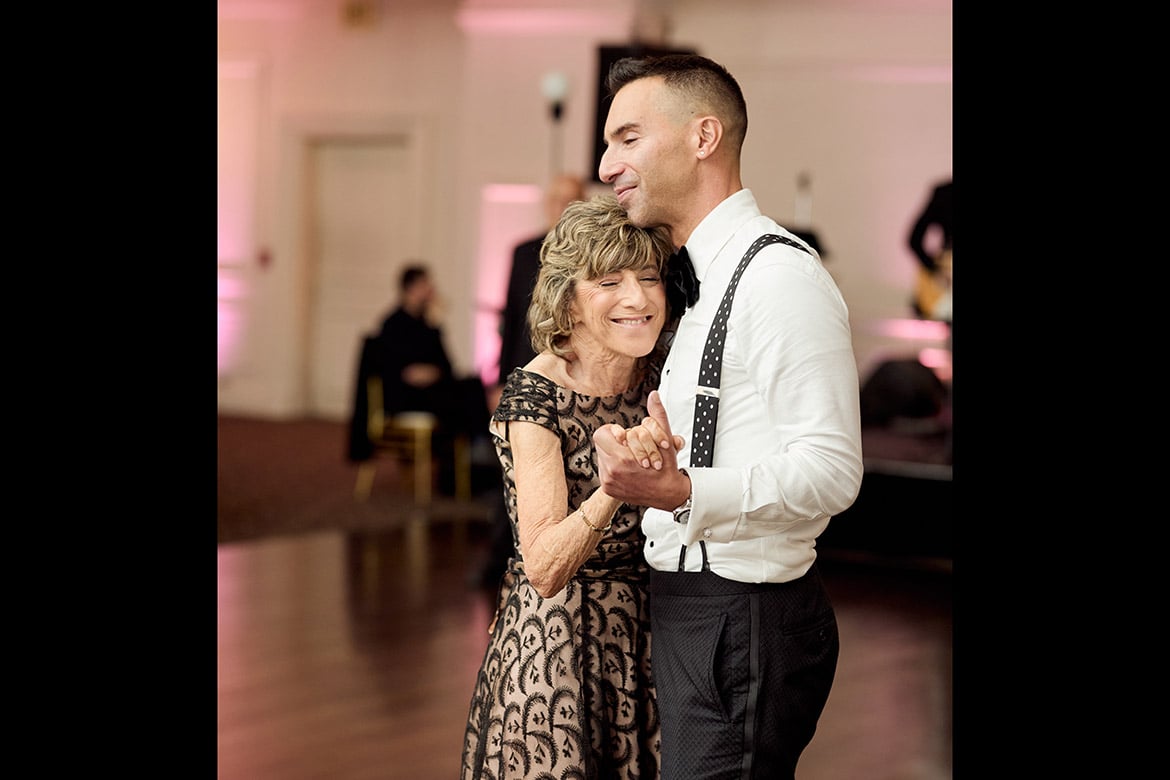
Leadership, continuity, and what a second term makes possible
During my first term on the Council on Science and Public Health, I have focused on helping the council meet this moment with rigor, discipline and purpose. I have worked to ensure that our reports are scientifically sound, policy relevant, and framed in ways that are meaningful to the House of Delegates—anticipating how recommendations will be interpreted and applied in a rapidly changing public health landscape. This year, my service on the Council’s Executive Committee has allowed me to help lead that work more directly. In that role, I have partnered closely with council members and staff to shape priorities, strengthen deliberations, and maintain the council’s effectiveness amid external disruption. I am proud of the strong, trust based relationships I have built across the council—relationships that allow for candid discussion, respectful disagreement and ultimately better policy.
My leadership style is collaborative and deliberate. I place a premium on preparation, listening, and follow through, and I am deeply committed to fostering a council culture that values both scientific rigor and collegiality. I have also been intentional about supporting continuity and mentorship—helping newer council members engage confidently and ensuring institutional knowledge is preserved rather than lost to turnover. A second term would allow me to build on this foundation. It would enable me to continue contributing experienced leadership at a time when the council’s credibility is essential, to help guide work on emerging and complex public health challenges, and to further strengthen the partnership between the council and the staff who make our work possible. Re-election is not about starting something new—it is about sustaining momentum, deepening impact, and ensuring that CSAPH remains a steady, trusted compass for the AMA during a period of ongoing uncertainty. I am seeking re-election because I believe deeply in this council’s mission, because I am proud of what we have accomplished together, and because there is still critical work ahead that demands experience, resolve and continuity.
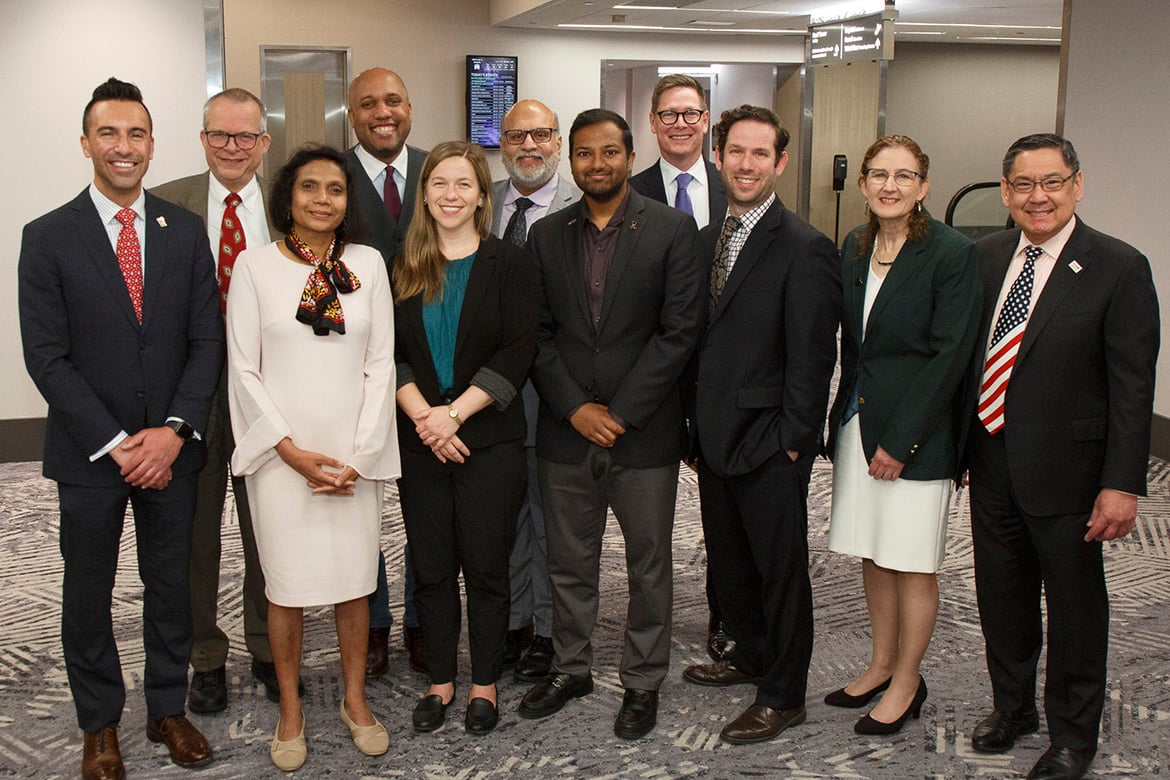
Grateful to all of my council colleagues
Additional resources
- Visit the AMA elections page for information on other candidates running for office.
- Find up to date information for the June Annual Meeting of the HOD.