Read AMA Morning Rounds®’ most popular stories in medicine and public health from the week of June 1, 2026–June 5, 2026.

Executive order endorses HHS assessment on childhood vaccines as guide for federal agencies
Reuters (5/29, Shakil, Acharya) reported that the president signed an executive order “to acknowledge a recent scientific assessment by the Department of Health and Human Services on childhood vaccines as a guide for the federal government, the White House said on Friday.” The order directs the CDC and its Advisory Committee on Immunization Practices “to review the HHS assessment and clinical data to update the vaccines schedule for children and adolescents, according to the text of the order.” The review by CDC’s vaccine panel ACIP “should consider ways to be flexible to doctors and parents and provide recommendations for timing and sequencing of the administration of routine immunizations, it added.”
The AP (5/29, Binkley) reported that the study “recommends vaccinating all children against 11 diseases. Several others would be recommended only for high-risk groups or when doctors recommend them in what’s called ‘shared decision-making.’ That includes vaccines for flu, rotavirus, hepatitis A, hepatitis B, some forms of meningitis and RSV.”
Editor's note: Read the AMA’s statement on the recent executive order directing CDC to assess childhood vaccine schedule.
Nearly one in five young people use AI chatbots for mental health advice
NBC News (6/1, Bendix, Yang) reports a study found that “nearly 1 in 5 adolescents and young adults are turning to AI chatbots for advice when they’re sad, angry, nervous or stressed.” The findings from the research institute RAND “represent an increase from early 2025, when the nonprofit conducted a similar survey. At the time, around 13% of respondents said they used chatbots for such advice, but the share rose to 19% in the group’s latest survey in November.” For the survey, researchers “asked people ages 12 to 21 whether they had used a service like ChatGPT, GoogleGemini or Character. AI for mental health advice,” as well as if they “found the chatbot’s advice helpful, which the vast majority said they did.” According to NBC News, “the share of young people using AI chatbots for mental health advice is close to the percentage of adolescents who report receiving mental health therapy from a professional.” The study was published in JAMA Pediatrics.
The American Journal of Managed Care (6/1, McCormick) reports that “among those who used chatbots for mental health advice, 42.8% did so at least monthly, whereas 5.8% reported daily or near-daily use.”
You may also be interested in: AI chatbots and mental health: 4 ways Congress can boost safety.
Colonoscopy associated with reduced colorectal cancer risk in patients aged 40 to 49 years
Gastroenterology Advisor (6/2, Stong) reports a study found that a “baseline colonoscopy among individuals aged 40 to 49 years is associated with a significantly reduced risk for colorectal cancer (CRC), especially for men aged 45 to 49 years.” For the study, “participants were stratified into colonoscopy (CsC) and noncolonoscopy (NCsC) cohorts within 2 age groups: 40 to 44 years and 45 to 49 years.” Overall, researchers observed “adjusted hazard ratios (aHRs) for CRC were significantly reduced in individuals with vs without colonoscopy at ages 40 to 44 years (aHR, 0.70) and ages 45 to 49 years (aHR, 0.64). The aHRs for CRC were greater in individuals who had heavy alcohol intake, smoking, rural residence, metabolic syndrome, or diabetes compared with persons without these covariates for the early 40s and late 40s age groups.” The study was published in the American Journal of Gastroenterology.
Urine test may help identify autism earlier than the best assessment tools now available
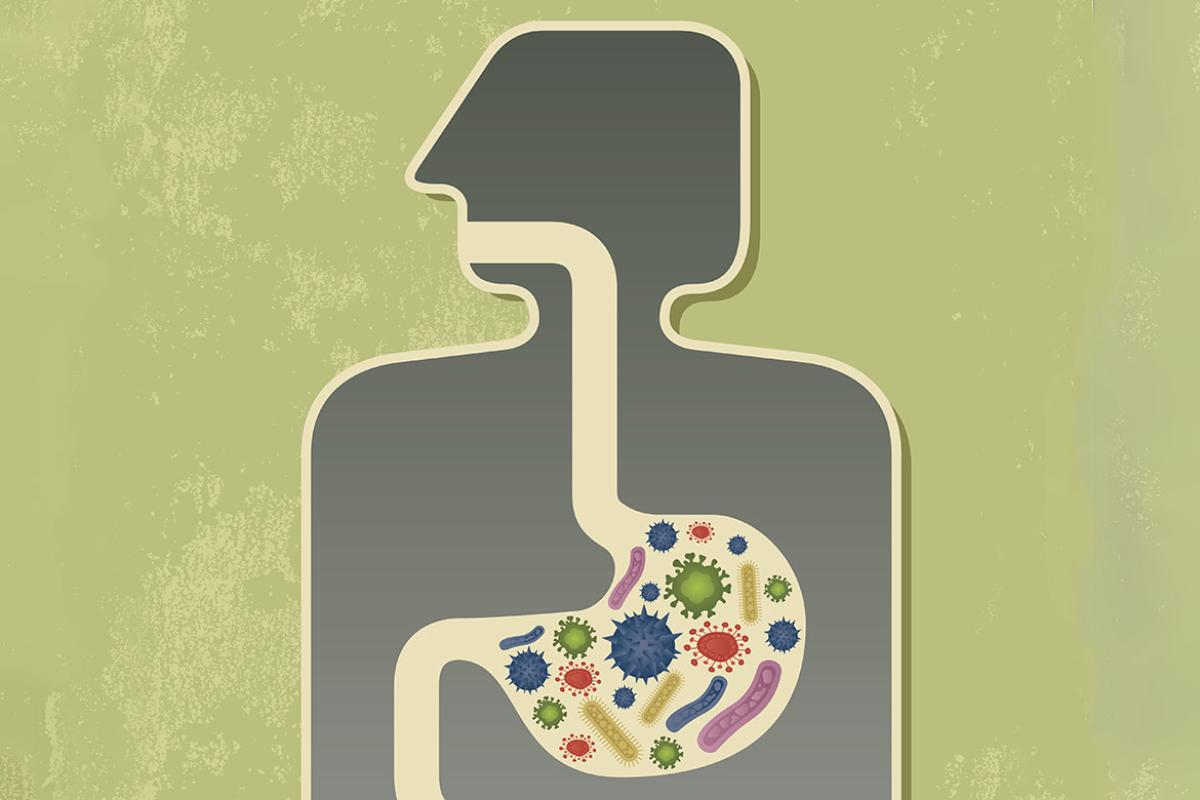
HealthDay (6/2, Thompson) reports, “A simple urine test might help identify children who are likely to have autism earlier than the best assessment tools now available,” according to researchers who found that “autistic children appear to have specific gut microbe profiles that can be used to distinguish them from neurotypical (or typically developing) children.” The researchers also found that “a urine test based on these profiles correctly identified 90% of autistic children and did not misidentify any children without autism.” The findings were published in Molecular Psychiatry.
More than 20% of Americans had treatments delayed or denied due to prior authorizations, claim denials in 2025
Medical Economics (6/4, Payerchin) says a new report from The Commonwealth Fund found “more than 20% of Americans with private health insurance had their treatments delayed or denied due to prior authorizations and claim denials in 2025.” The study shows “a full 13% of privately insured adults reported a prior authorization denial in the past year, whereas 8% experienced a claim denial and 1% faced both types. Together, 21% reported at least one denial affecting themselves or a family member.”
Fierce Healthcare (6/4, Minemyer) reports, “A majority (63%) of those who experienced a prior authorization denial said that it caused significant worry or anxiety, while 41% said it led to delay in care for them or someone in their household,” according to the findings.
AMA Morning Rounds news coverage is developed in affiliation with Bulletin Healthcare LLC. Subscribe to Morning Rounds Daily.