SARS-CoV-2 (COVID-19)
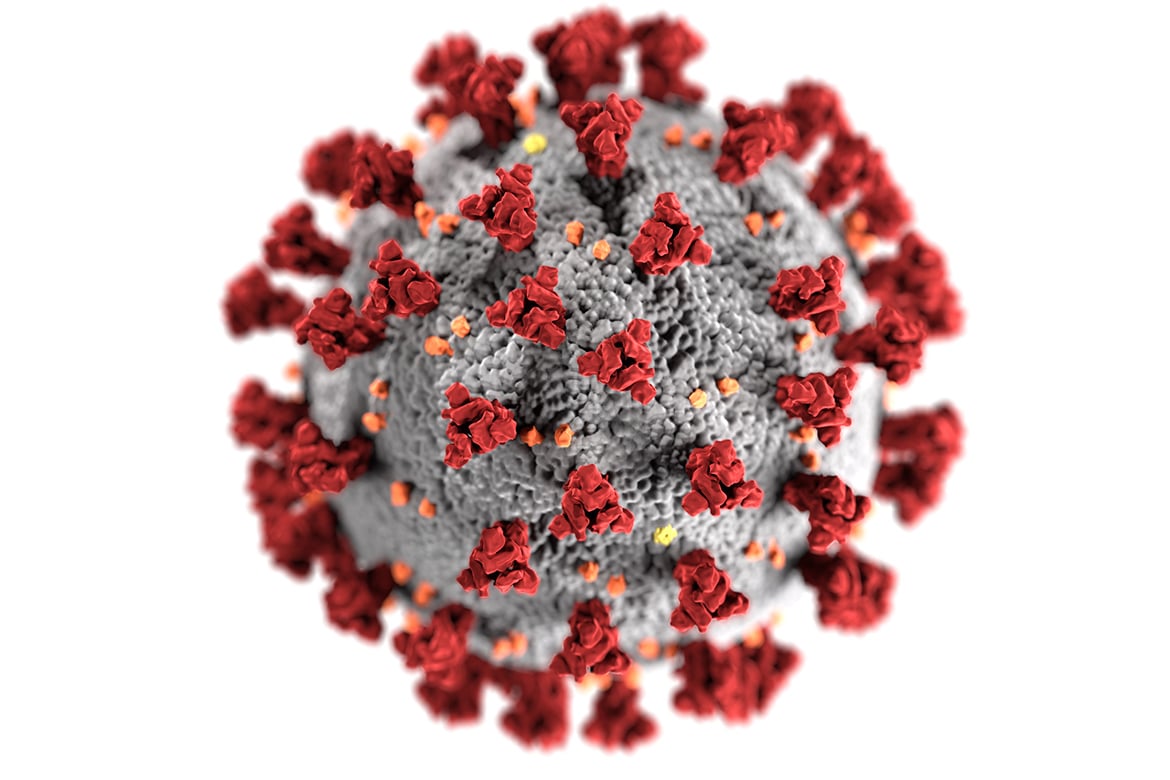
COVID-19 is caused by the virus SARS-CoV-2, a coronavirus and causes respiratory illness. SARS-CoV-2 was first identified in December 2019, with global spread rapidly following.
Epidemiological data shows that certain medical conditions carry higher risk of hospitalization, such as obesity (3x higher), diabetes (3x higher), chronic kidney disease (4x higher) and those with 3 or more chronic conditions (5x higher). In adults, higher age is associated with hospitalization, with 60x the risk of death for those over 65 years compared with those 18-29.
Transmission
COVID-19 spreads from person to person predominantly through respiratory droplets and very small particles that can aerosolize. Indirect transmission via hand transfer of the virus from contaminated surfaces or objects to mucosal surfaces of the face (e.g., nose, mouth) is possible.
Signs & symptoms
Signs and symptoms overlap with those for other respiratory viruses. Treatment recommendations vary based on severity.
- Mild-moderate: oxygen saturations ≥94% on room air or baseline oxygen needs
- Severe: oxygen saturations <94% on room air or requiring more than baseline oxygen
- Critical: Requiring high-flow oxygen, non-invasive or invasive ventilation including ECMO
Diagnosis
COVID-19 can be difficult to diagnose based on clinical signs and symptoms alone because they are similar to those caused by other viruses or bacteria. Over-the-counter home tests are available. Tests in healthcare facilities include rapid antigen testing and nucleic acid amplification tests (NAAT). Patients can test positive for several weeks, so there is some caution needed in interpreting results for those with prolonged symptoms.
Prevention strategies
Preventing the transmission of COVID-19 requires a multi-pronged approach. Prevention strategies include vaccination and early treatment, hand hygiene, environmental cleaning with approved products, and engineering controls. In addition, source control–wearing masks when respiratory symptoms exist–can mitigate transmission. A new antiviral medication, ensitrelvir, is FDA approved to prevent COVID-19 after exposure in those 12 years and older. Ensitrelvir (Xocova) can cause fetal harm, so women of reproductive age should use effective contraception during and for 2 weeks after the final dose. Breast feeding is also not recommended during and for 2 weeks after.
Pre-exposure prophylaxis
People with immunocompromising conditions, such as immune deficiencies, may not mount an adequate response to vaccines. In addition, they are at higher risk of severe disease because of their underlying condition. Pemivibart is a monoclonal antibody that is active against some COVID-19 strains and works by blocking the virus’s ability to attach to human cells. It had received emergency use authorization from the FDA. It can be used prophylactically in severely immunocompromised people who are at least 12 years old (≥40kg).
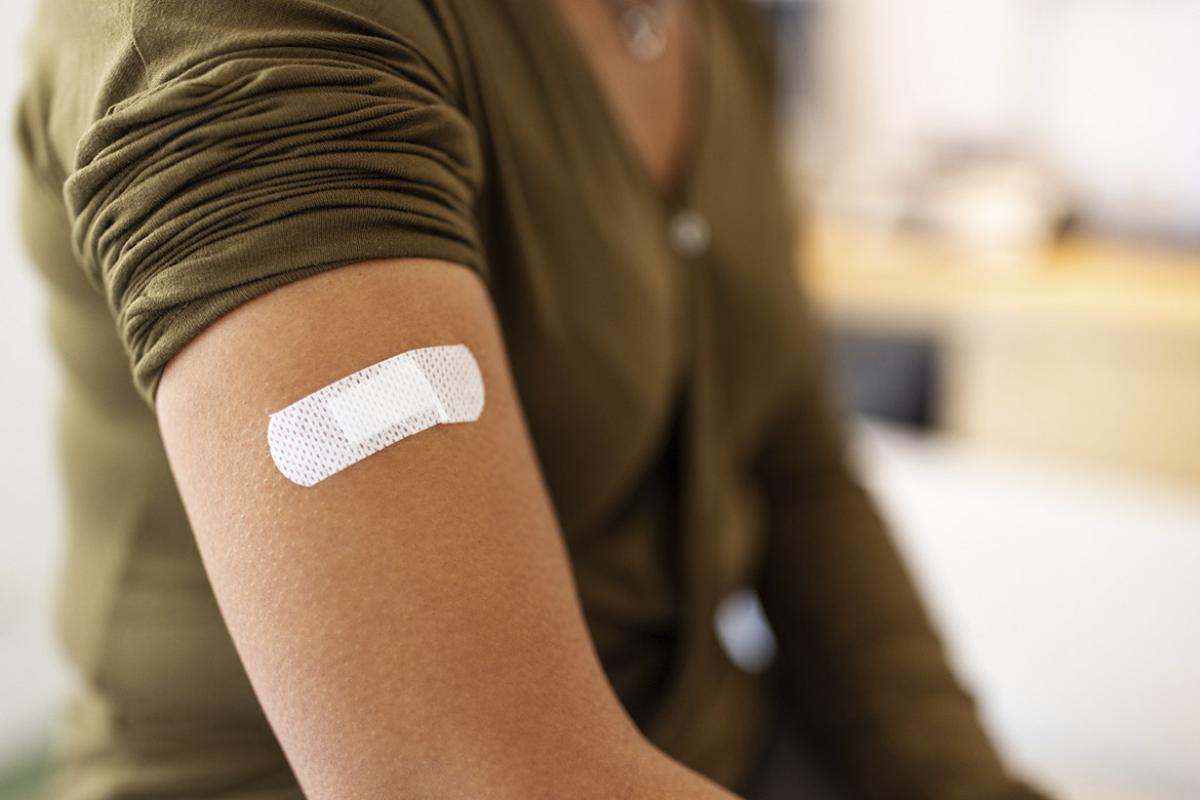
Vaccination
COVID-19 is not a seasonal illness; while cases typically rise in the winter months it circulates year-round.
American Academy of Pediatrics, American College of Obstetrics and Gynecology the American Academy of Family Physicians and the Infectious Diseases Society of America recommend COVID-19 vaccinations in the populations listed below.
- Pregnant and lactating patients
- Children 6-23 months
- Children 2-18 years with high-risk conditions or a desire for vaccination
- Adults 18 through 64 years old
- Adults 65 and older, with a second dose 6 months later
- Immunocompromised patients 6 months and older, with additional doses based on prior vaccination history and clinical judgment.
Coadministration with other vaccines
Influenza, COVID-19, and RSV vaccines may be given at the same visit for eligible patients. If the patient prefers to receive each vaccine at a separate visit, there is no minimum waiting period between vaccines.
Treatment
COVID-19 antiviral drugs must be started within 5-7 days of symptom onset. CDC recommends three FDA authorized antiviral drugs for those at high risk of severe illness and death. The IDSA has further guidelines for the treatment and management of all patients with COVID-19.
- Antiviral: Nirmeltrelvir/ritonavir (Paxlovid)
- Who: Adults, children ≥12 years (>40kg)
- Details: Start within 5d of symptoms. Pills.
- Molnupiravir (Lagevrio)
- Who: Adults
- Details: Start within 5d of symptoms. Pills.
- Remdesivir (Veklury)
- Who: Adults and children
- Details: Start within 7d of symptoms. IV for 3 days.
Infection prevention & control
In healthcare facilities, Personal Protective Equipment (PPE) for COVID-19 includes a gown, gloves, eye protection and a NIOSH Approved particulate respirator with N95 filters or higher. Source control is recommended until symptoms have resolved or based on the severity of illness:
- Asymptomatic: At least 10d after first positive test.
- Mild-moderate illness: At least 10d after symptoms appeared and at least 24h after fever resolution.
- Severe-critical illness: At least 10d and up to 20d after symptoms appeared and at least 24h after fever resolution and symptoms have improved.
- Immunocompromised patients of any severity: Use a test-based strategy and consult an infectious diseases specialist if available.
Adverse events
All vaccine adverse events must be reported to the Vaccine Adverse Event Reporting System (VAERS).