As a major stakeholder in the future of America’s system of care, medical students play a role in shaping policy that could matter for generations. One vehicle through which this can be done is a process known as the public comment period, which is when federal agencies give people a chance to weigh in on proposed regulations before they are finalized.
For medical students, submitting a public comment offers an opportunity to put their growing clinical knowledge to work while drawing from the experiences they have in delivering care.
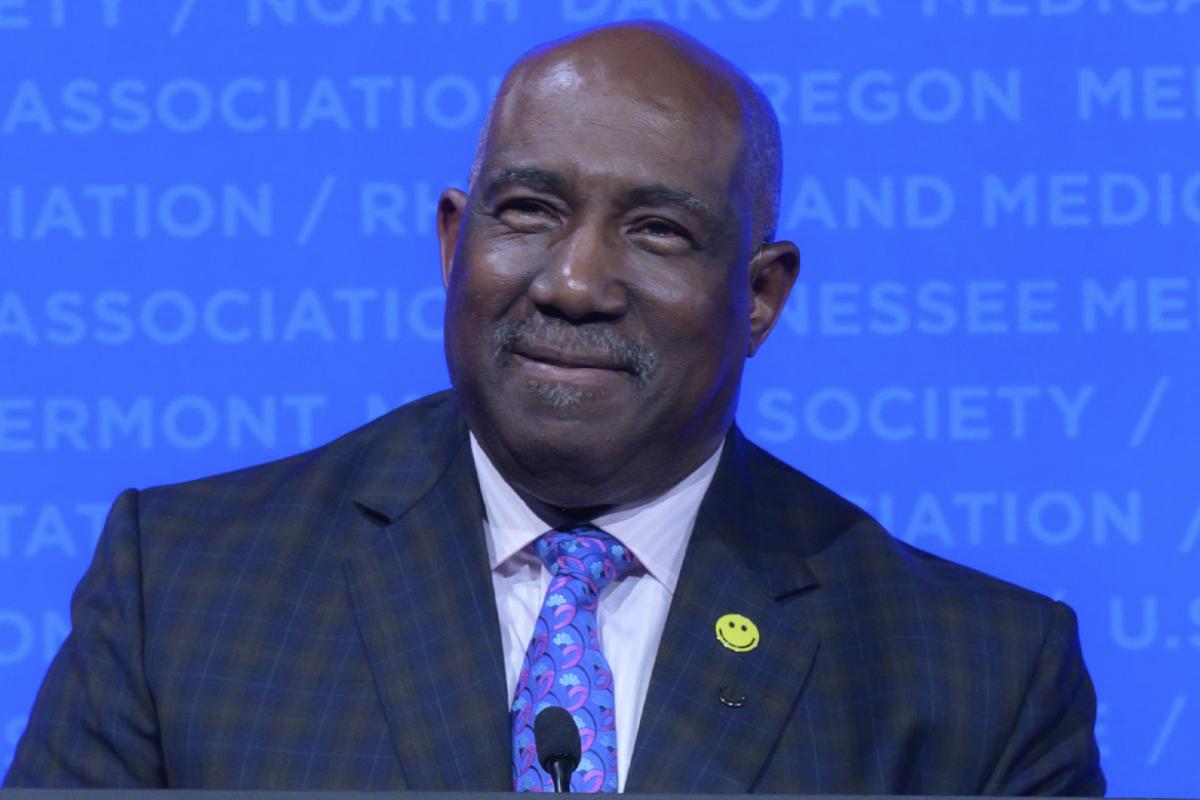
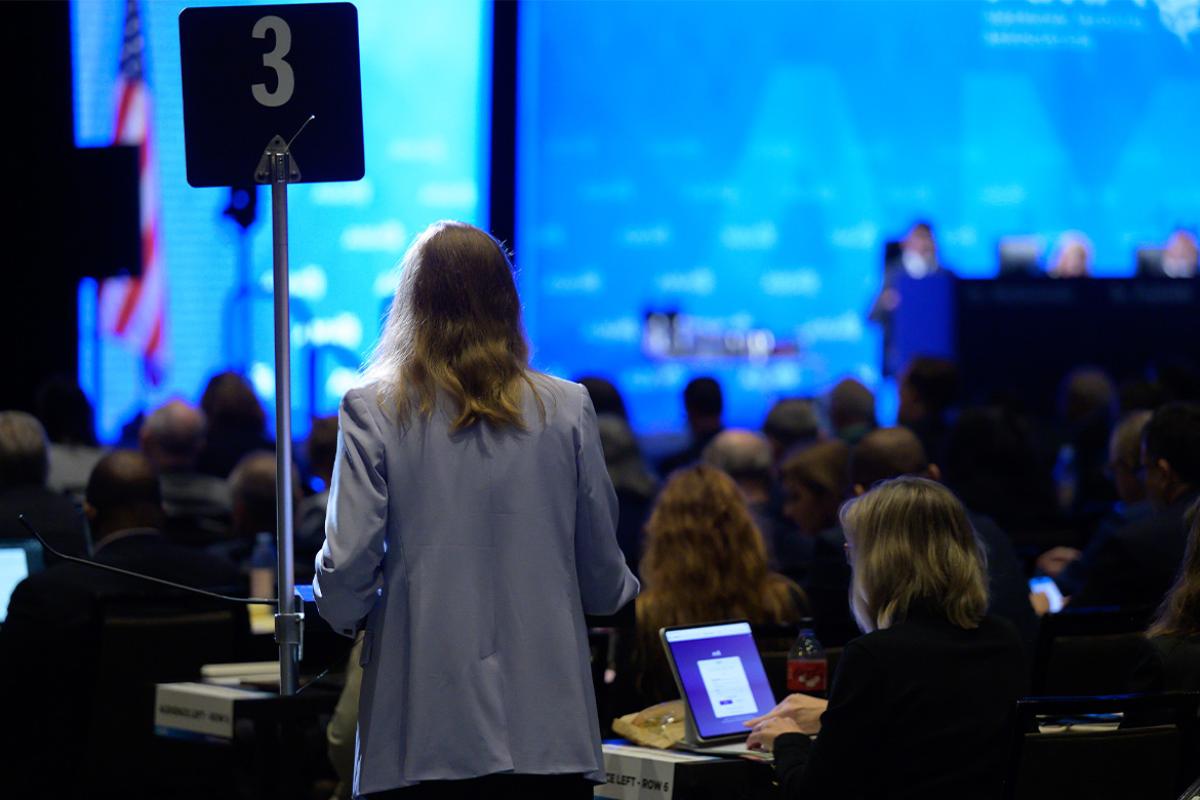
During a recent session at the AMA Advocacy in Action Workshop, Phil Lynch offered insight on the public comment process and how medical students can make their comments resonate. He is an attorney with the AMA Division of Legislative Counsel.
Public comments get read
Federal agencies review public comments as part of the rulemaking process. Under the Administrative Procedure Act, they generally must consider significant, relevant comments and address substantive concerns when issuing final regulations. That doesn't mean every comment receives an individual response, but it does mean well-supported arguments cannot simply be dismissed without consideration.
"It might feel like you're screaming into the void, but you're probably not the only person speaking out," said Lynch. "You are contributing to a broader public response—and that can shape policy."
Comments also create a public record that can have implications long after a regulation is finalized. If a rule is challenged in court, judges may examine the concerns raised during the comment period and whether the agency adequately addressed them.
"You might not get the outcome you want at the outset by writing a letter, but it could still have a strong impact down the road,” Lynch said.
For medical students looking to hone their leadership skills, the AMA offers the chance to distinguish yourself through more than 1,000 leadership opportunities and skill building through online training modules, project-based learning and more.
Medical students have expertise
Federal agency staffers are often experts in the policymaking process, but they aren’t necessarily experts of the minutiae a proposed regulation is attempting to address.
In that regard, medical students have credibility to speak on a public comment.
"As medical students and future physicians, you can be a trustworthy source for them," Lynch said.
He added that public comments aren’t the only effective venue for medical students to offer their perspective. Writing and otherwise engaging with Congress is also very worthwhile, he said.
“An ounce of prevention is worth a pound of cure. It’s hard to rewrite regulations, and it’s hard to get Congress to undo something after the fact. If you get your letter in before a regulation is finalized or a bill is enacted into law, that’s always the best approach.”

The backbone of a strong comment
Medical students can find proposed federal regulations and submit comments through Regulations.gov. Lynch said an effective comment should identify the relevant provision of a proposed rule and explain why it deserves consideration.
Including citations from reputable sources can strengthen the comment, and medical students should not hesitate to draw on their own training and perspective to reinforce the argument.
If you are submitting a public comment on behalf of an organization, include a paragraph about your organization, your constituency and why this rule is important to you. If you are writing as an individual, include a paragraph describing your personal stake in this rule.
As part of its ongoing advocacy on behalf of America’s patients and physicians, the AMA regularly submits comments to federal agencies as part of the rulemaking process. A collection is gathered at the searchable AMA Federal and State Correspondence Finder.