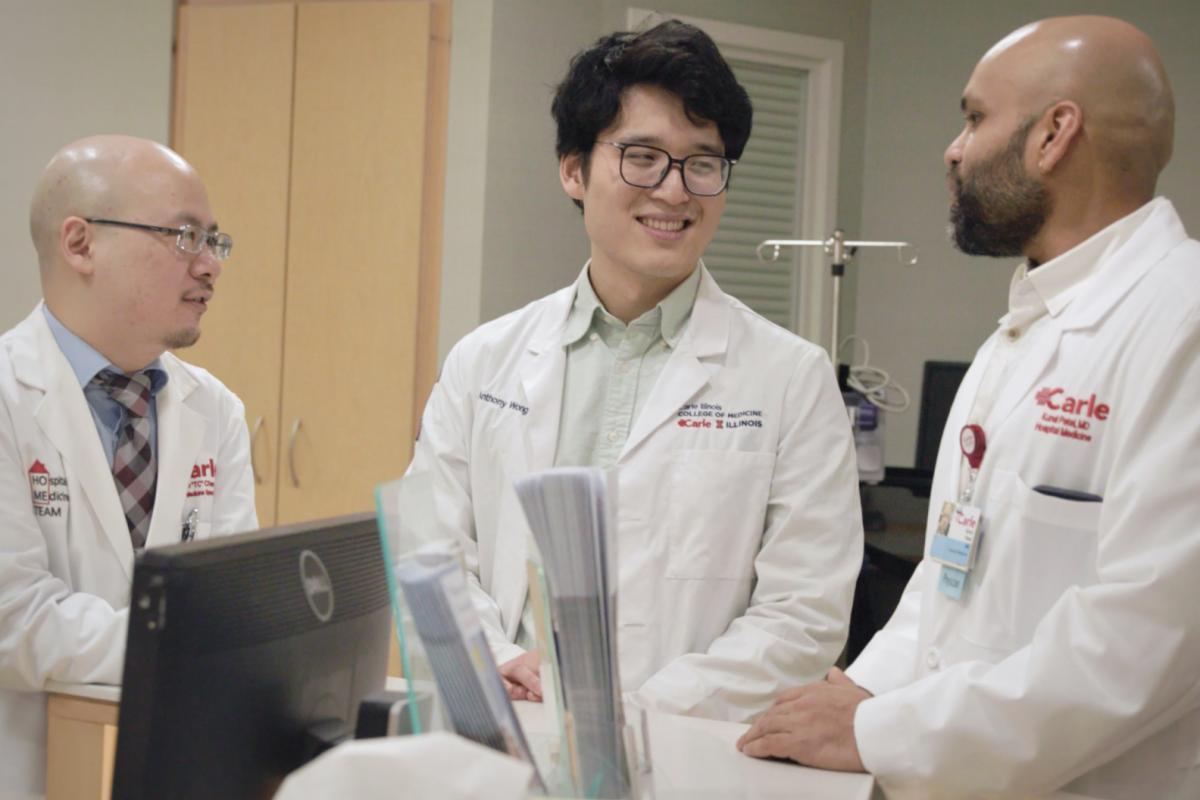
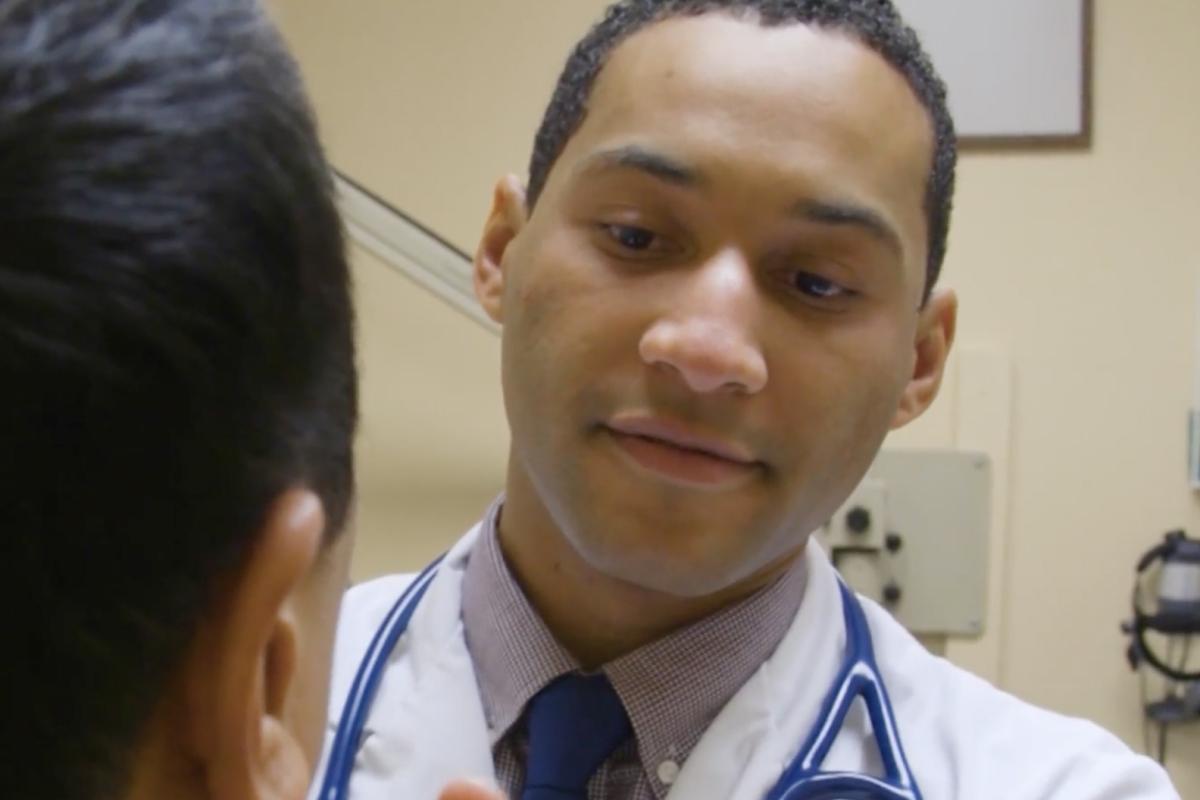
Graduate medical education (GME) is essential to creating physicians that can provide hands-on care for patients. Learn more about GME competencies and standards at the AMA.
A report identifies gaps in adverse-event reporting in clinical learning environments. The leading GME accreditor is working to fix it.
Physicians adopt policy to expand clinical experience in treating addiction for residents and fellows during training.
Leaders in neurosurgery have taken a hands-on approach to training residents with an eye toward filling knowledge and skill gaps—one such gap is pain management. Learn how they’re making strides in preparing residents for the board exam and more effective patient care.
The AMA Residents and Fellows Section seeks participants for a project to develop or enhance resources and services to help during training.
Seven AMA members were recently appointed by medical education organizations to their leadership. Nominated by the AMA, each organization made the final appointment decision from among the physician candidates it received.
An initiative to address the evolving needs of patients, trainees and the health care system could soon bring dramatic changes to residents’ clinical learning environments.
Results from initial trial of flexible hours for medical residents show improved continuity of patient care. Flex hours had positive effect on learning, but negative impact on personal lives.
A panel addressed medical educators on how the new single graduate medical education accreditation system, all physicians in training will be able to demonstrate their achievements by meeting a common set of milestones and competencies.
A recent review of more than two dozen studies examined how duty hour restrictions have impacted patient safety, resident wellness and resident education. Duty hour restrictions had an especially adverse effect on one resident outcome in particular.