ORLANDO — The American Medical Association (AMA) is drawing a clear line between artificial intelligence as a tool to support healthcare and the practice of medicine: AI can augment physicians and assist with clinical tasks, but it cannot be granted physician licensure, professional titles or certification to practice medicine.
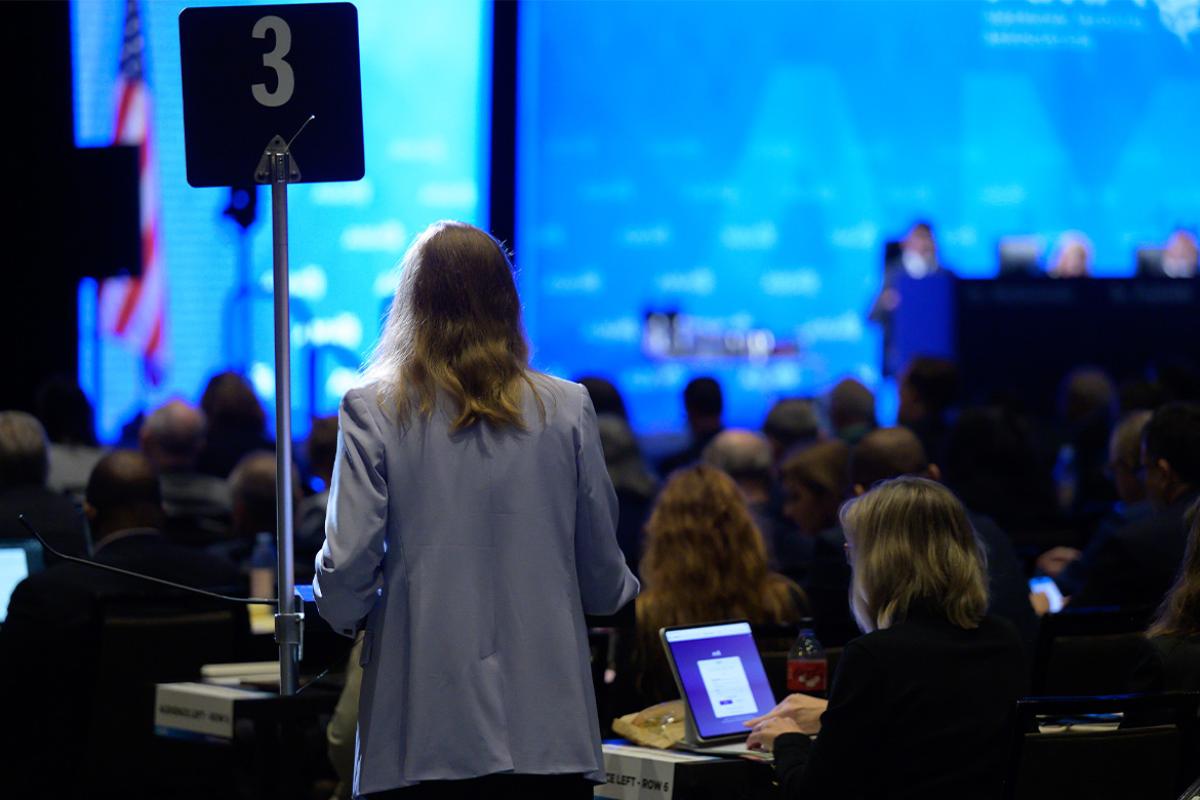
Adopted Monday at the AMA’s Interim Meeting, the policy calls for AI-enabled technologies to be integrated into physician-led teams and used at the direction of the treating physician. AI tools used for clinical functions such as diagnosis, prescribing and care management should have transparent, auditable evidence demonstrating their safety and efficacy and be subject to appropriate regulation, documentation and liability requirements.
The AMA will advocate for legislation establishing a framework for physician oversight of AI clinical decision-making, including protections for physicians' independent clinical judgment and against liability for choosing not to use an AI tool or follow an AI recommendation.
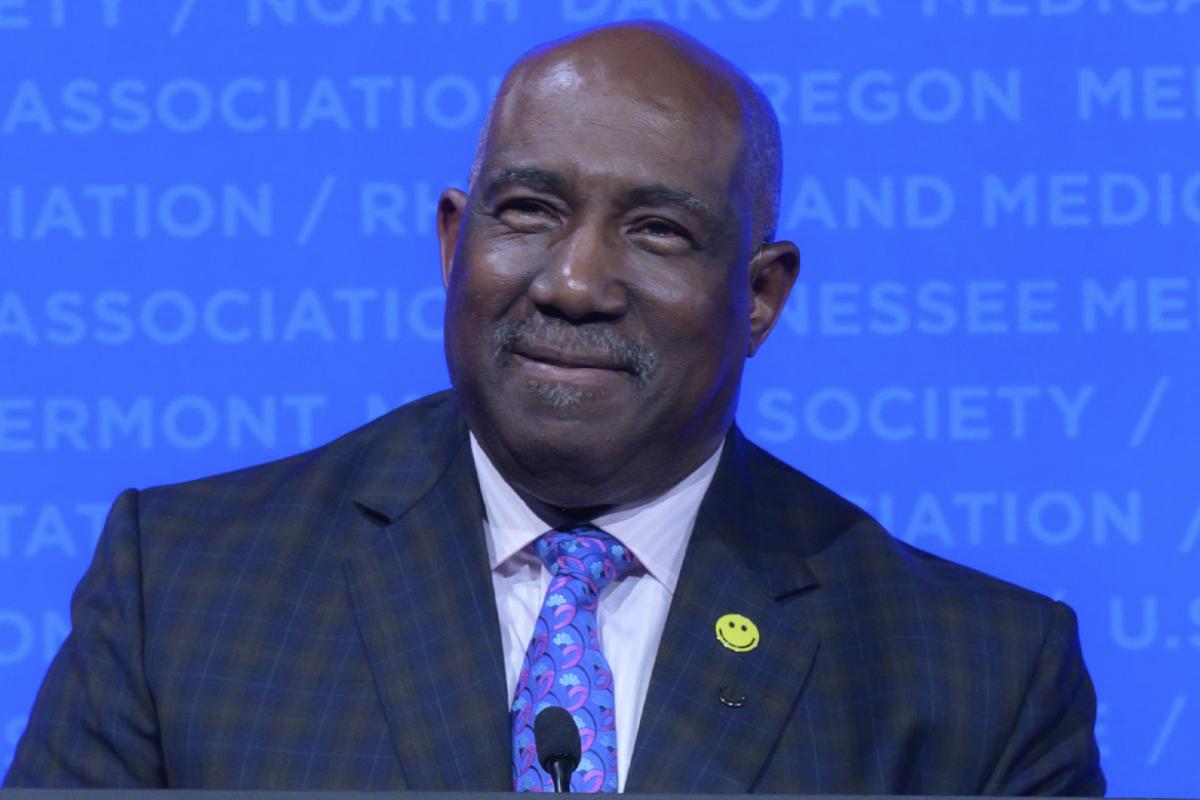
“AI can help physicians analyze information, identify patterns and support clinical decision-making, but patients deserve to know who is responsible for their care,” said AMA President Willie Underwood III, MD, MSc, MPH. “Physicians also need the authority, oversight and liability protections to make independent decisions when AI is part of the care team.”
The policy also calls for model legislation to distinguish authorization of a medical technology from professional licensure and prohibit misrepresenting non-human entities with titles reserved for physicians. The AMA will advocate for safeguards to prevent AI developers from using patients' clinical data for proprietary or research purposes without explicit authorization.
Liability for AI-related harm. The AMA is calling for federal and state legislation to protect physicians from liability when AI products cause patient harm despite physicians using the tools as intended and exercising appropriate clinical judgment.
When errors stem from defective clinical AI products, the policy says liability should rest with vendors, manufacturers or distributors rather than physicians facing medical malpractice claims. It also urges legislation requiring AI companies to carry adequate liability insurance, disclose product limitations and performance data, and prohibit vendor contracts from shifting responsibility for product failures onto physicians or health systems.
When hospitals, health systems, insurers or other entities require the use of specific AI products, those organizations and the AI vendors should bear responsibility when errors from those mandated products cause patient harm.
Last month, the AMA released a framework for aligning liability with each party’s authority and ability to prevent or mitigate harm.
Protecting children. The AMA adopted policy opposing the use of AI to create sexual or other exploitative materials involving minors and will urge lawmakers to address the growing threat.
AI-generated images and deepfakes can depict children in sexually explicit situations without their knowledge or consent, causing serious harm to their safety, privacy and mental health. The technology also makes it increasingly difficult to distinguish authentic images from manipulated or entirely fabricated content.
Media Contact
About the American Medical Association
The American Medical Association is the physicians’ powerful ally in patient care. As the only medical association that convenes 190+ state and specialty medical societies and other critical stakeholders, the AMA represents physicians with a unified voice to all key players in health care. The AMA leverages its strength by removing the obstacles that interfere with patient care, leading the charge to prevent chronic disease and confront public health crises and, driving the future of medicine to tackle the biggest challenges in health care.