ORLANDO — With growing concerns about the number of food additives in the U.S. food supply, many of which have little safety data, the AMA is calling for stricter federal food-additive regulations in the U.S. The AMA adopted policy at the Interim Meeting of its House of Delegates this week recommending a shift toward mandatory safety testing, greater oversight by the Food and Drug Administration (FDA), and independent scientific review of ingredients already in the food supply that are of public health concern.
Specifically, the AMA supports establishing an independent, ongoing scientific committee whose members are selected through a transparent process based on demonstrated expertise in food additive safety and an understanding of the impact of food additives on human health. The goal of the committee would be to conduct regularly scheduled systematic reviews of food additives, including food colors, that are currently used—focusing on those with the most significant negative health impact. The committee would also evaluate the scientific evidence regarding health impacts of these substances, develop a prioritized timeline for regulatory action on the most concerning additives, and create transition pathways for food manufacturers to adopt safer alternatives.
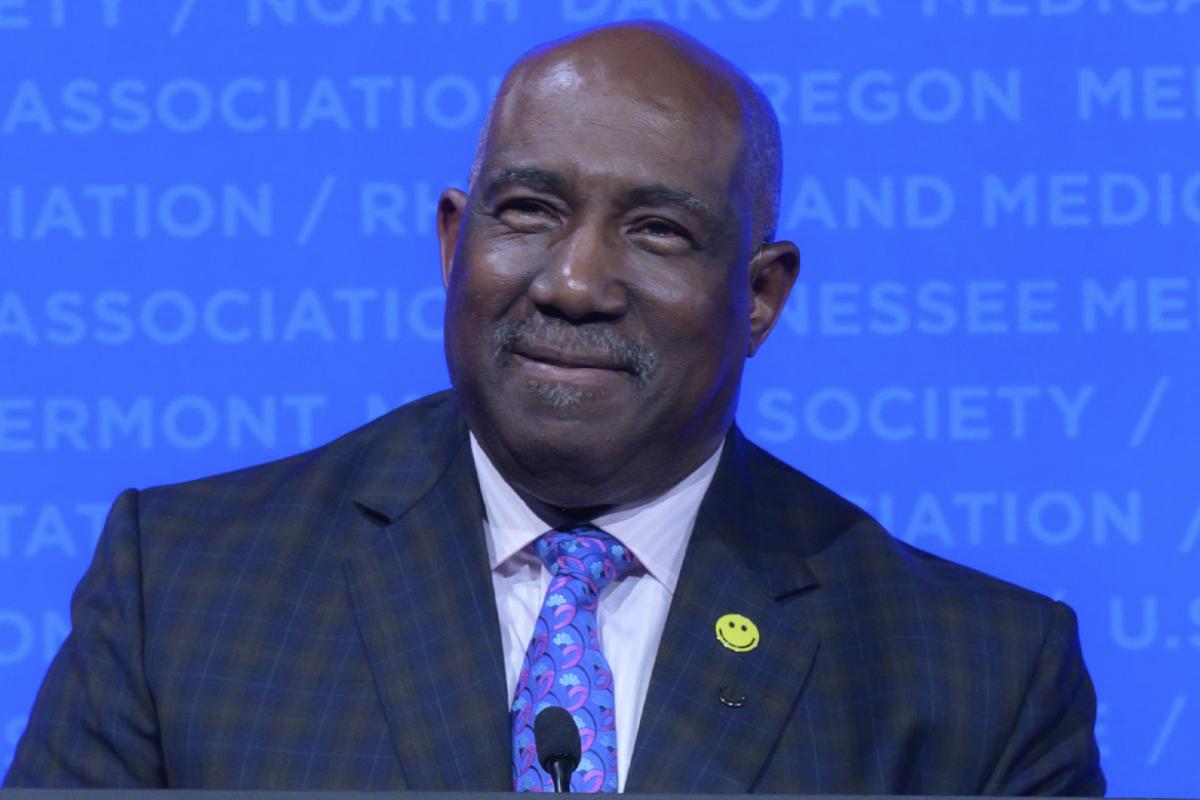
“For decades, a loophole in federal law has allowed companies to add chemicals to our nation’s food supply without independent safety review by the FDA. We have very little understanding about the health risks they may pose,” said AMA Board of Trustees member Amar H. Kelkar, MD, MPH. “The current U.S. system for regulating food additives is not doing enough to protect public health and reforms are clearly needed. We need stronger oversight, greater transparency, and a more consistent science-based regulatory framework to ensure the safety of our food supply and better protect the health of all Americans.”
The AMA Council on Science and Public Health report that served as the basis for this policy noted that the current federal regulatory framework for food additives in the U.S., specifically the “generally recognized as safe” (GRAS) exemption process, does not adequately ensure the safety of chemicals added to food. To help close this loophole, the AMA’s new policy calls for stronger criteria for making GRAS determinations, including improved transparency of evaluation methods, forbidding conflicts of interest for those who serve on GRAS determination panels, and requiring that all new GRAS determinations are submitted to the FDA for review. The policy also recognizes the FDA will need adequate resources and staff capacity to review GRAS determinations and do retroactive reviews of food additives that were previously deemed GRAS as scientific evidence emerges.
Also noted in the report, the U.S. food supply contains an estimated 10,000 food additives, compared to only about 300 that are allowed in the European Union (EU) and approximately 390 in Canada. Unlike the U.S., which generally permits food additives until they are proven harmful, both the EU and Canada require safety evaluations before additives are approved and sold. With concerns about how food additives in the U.S. food supply impact human health, the AMA’s new policy calls for comprehensive scientific research and safety testing for all food additives prior to their review and approval by federal regulators.
The AMA has long supported efforts to enact meaningful policy change that improve the food environment and nutrition in the U.S. The AMA will continue to monitor and support efforts to advance the implementation of more rigorous food additive legislation and regulations and provide ongoing guidance to support meaningful public health improvements, including adequate funding for medical and scientific research.
Media Contact
About the American Medical Association
The American Medical Association is the physicians’ powerful ally in patient care. As the only medical association that convenes 190+ state and specialty medical societies and other critical stakeholders, the AMA represents physicians with a unified voice to all key players in health care. The AMA leverages its strength by removing the obstacles that interfere with patient care, leading the charge to prevent chronic disease and confront public health crises and, driving the future of medicine to tackle the biggest challenges in health care.