This story is one of more than 20 health system profiles featured in the 2025 AMA Joy in Medicine® magazine (log into your AMA account to view).
Giavonne Rondo, MD, stepped into medicine full of energy and optimism, looking ahead at a career of saving lives, and helping patients through their individual struggles.
But as the years passed, the administrative burdens kept growing, as did the amount of time she spent treating patients and managing her practice. During this time, Dr. Rondo also became a mother and primary caretaker for an ailing partner. She found herself exhausted and questioning her passion for health care.
“With different things coming into my life, like my growing family and responsibilities, it just became really, really difficult to practice and to continue that joy of medicine,” says Dr. Rondo, an internist, who now treats patients with CenterWell Senior Primary Care in Clarksville, Indiana.
“Some parts of this type of experience, you just don't have control over—the way medicine is changing and evolving,” she adds. “But some of those changes make it so that it feels like you're a cog in a wheel, and it’s drudgery.”
Dr. Rondo continued practicing but knew that a change was needed for her to regain that joy and passion for practicing medicine, and continue with the career she envisioned. But to arrive there, changes would first have to be made to how she worked.
“Having a better life work balance became so essential for me,” says Dr. Rondo. “We're taught in medical school that this is your life. This is what you do, you focus on this, and this is who you are. And really, that shouldn't be.”
When Dr. Rondo first walked through the doors at CenterWell Senior Primary Care, she felt a significant difference in pace and approach. While there were plenty of patients in need of care, and waiting for appointments, there wasn’t the same rushed urgency as in past medical centers.
“We talked about their model of really getting to know your patients and not just know them from a superficial place,” says Dr. Rondo about her first impression of CenterWell. “Let me talk about your diabetes and your high blood pressure, and really getting a chance to know who they are as people. That was very attractive because one of the reasons why I was really busy was I spent a lot of time with my patients in the other setting. That often led to me being behind for the day.”
Getting to know patients allows for a more personalized approach, and CenterWell’s value-based care model positioned Dr. Rondo to be able to do just that.
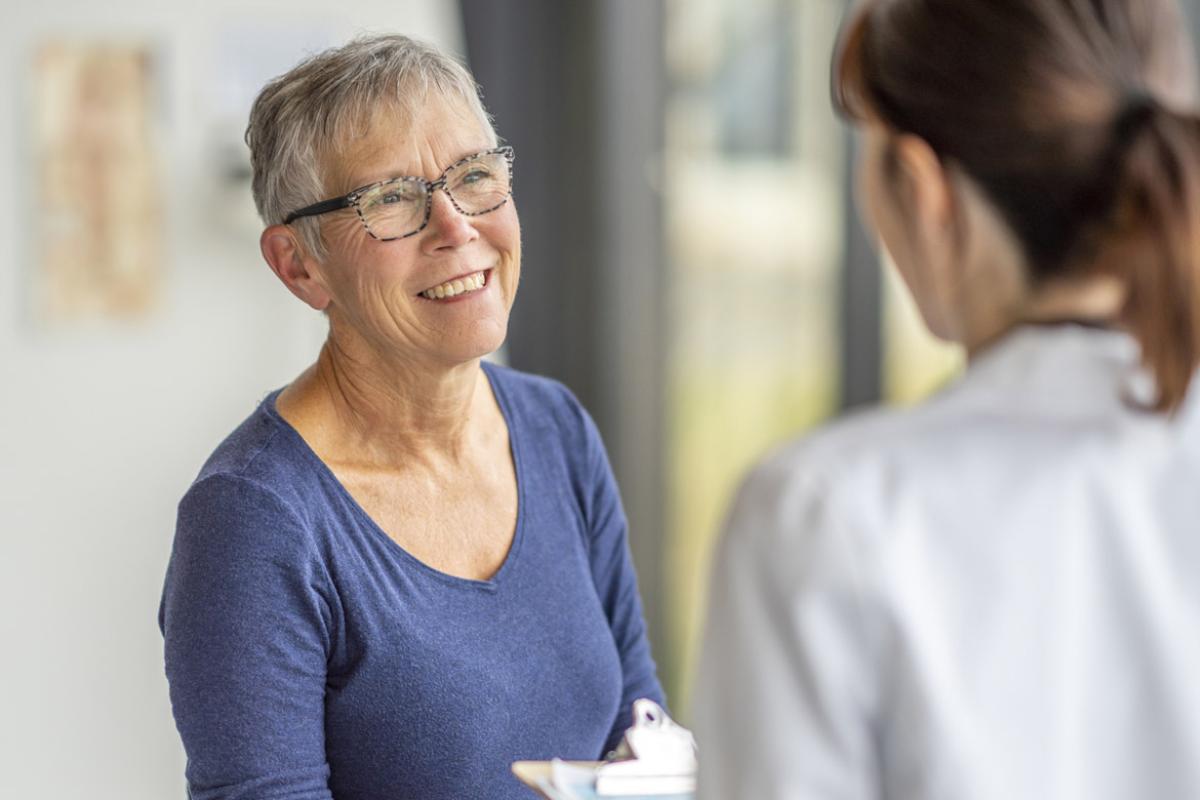
“They pretty much mandate that when you see a patient for the first time, you’re going to get a whole hour with them,” says Dr. Rondo. “That lays the foundation for really getting to know them and what’s important to them.”
The power of team-based care
One of the key efficiency drivers at CenterWell is its emphasis on team-based care. Physicians are no longer solely responsible for handling every aspect of a patient’s journey. Instead, they work alongside nurses, care coordinators and other health professionals to ensure patients receive comprehensive, proactive care.
Building in enough time for doctors to develop deeper knowledge of their patients’ needs is bolstered by dividing tasks within a team. This division of labor means patients see health professionals for longer periods of time at appointments, which is shown to produce better health outcomes and greater patient satisfaction with their care.