An estimated 23% of adults in the U.S. have a mental illness, according to the National Institute of Mental Health, but one in four adults with mental illness report an unmet need for treatment.
In response to this challenge, Henry Ford Health piloted a protocol that quickly matches patients with such needs with behavioral healthcare professionals. Launched in July 2025, the system’s Same-Day Solutions Ambulatory Pilot Program also helps ensure the patient is receiving the right kind of help.
Primary care providers in the program refer patients who tell them about a behavioral health concern for a telehealth consultation with a licensed behavioral health clinician. The consultation is scheduled before the patient leaves their primary care appointment.
Based on that consultation, the clinician determines what type of care the patient needs and refers them to an appropriate behavioral health professional.
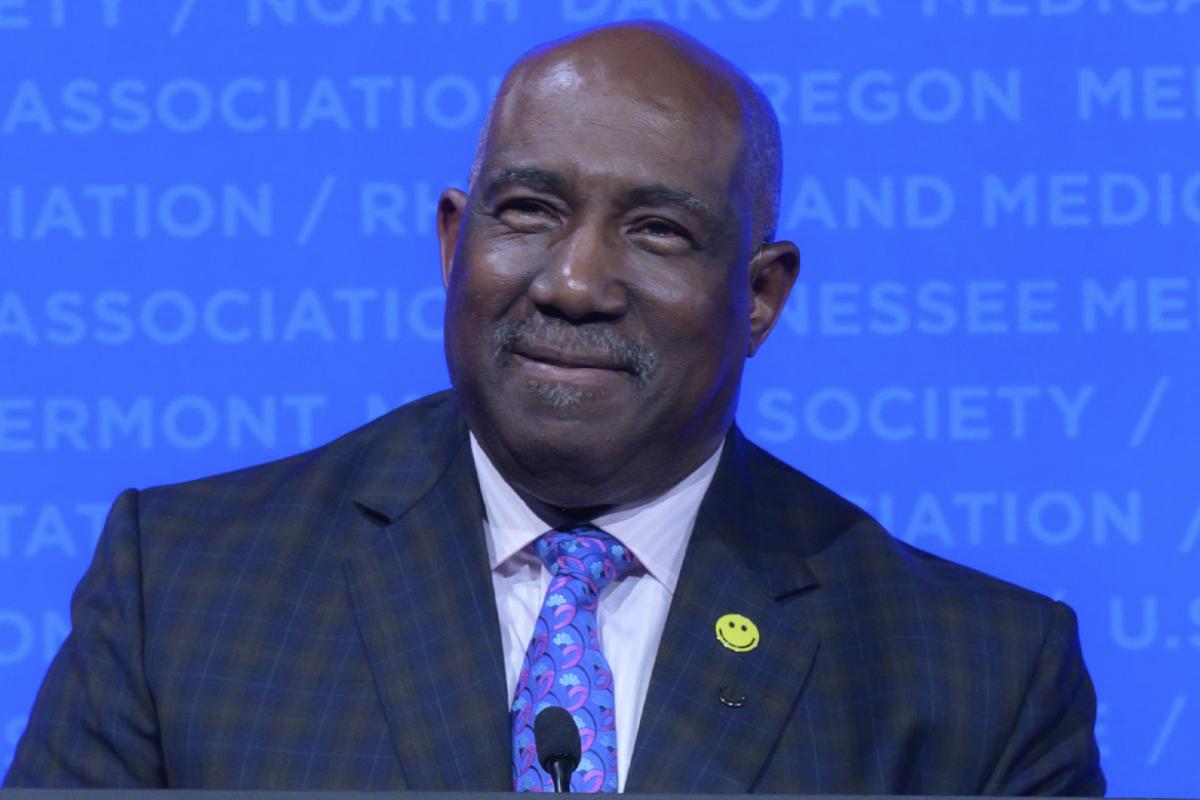
“They also assess whether an emergency intervention is needed and provide necessary care,” said Deepak Prabhakar, MD, MPH, chair of Henry Ford Health’s Department of Psychiatry and Behavioral Medicine.
Headquartered in Detroit, Henry Ford Health is a nonprofit system with more than 550 sites across Michigan, including 12 hospitals. Henry Ford Health is part of the AMA Health System Member Program, which provides enterprise solutions to equip leadership, physicians and care teams with resources to help drive the future of medicine.
Referrals are up, wait times are down
Henry Ford Health reports that in the year since the program began, referrals of patients for behavioral healthcare increased by 22%. The system also saw the number of patients who completed an appointment for this care after receiving a referral increased by 50% at the program’s pilot sites.
At the same time, the number of patients waiting to be scheduled for a behavioral healthcare appointment dropped by a dramatic 85%. Referrals for services that didn’t match patients’ needs decreased by 76%, contributing to greater access to care.
"This unique model, which we developed at Henry Ford Health, is helping patients receive the right care sooner and allowing our behavioral health providers to focus their expertise where it is needed most," Dr. Prabhakar said in a press release.
Dr. Prabhakar told the AMA that the main driver of the program’s results is simply that it initiates behavioral healthcare when and where the need for it first is identified.
“We are able to provide the right care at the right time for the patient who's in need,” he said. “Then we are aligning the patient with the appropriate next-step appointment based on their true needs, rather than having them sit on a wait list for a number of days only to get connected with something they may not have needed in the first place.”
Expediting appointment needs creates a virtuous cycle, because wait times contribute to patients no longer seeking care and going untreated.
“It's a significant point of disengagement for patient care, not just for patients, but also referring providers, because they are now waiting on timely completion of their referrals,” Dr. Prabhakar explained. “Patients want care and referring providers want closure of the loop. Both of these things taken together are critical.”

Reducing primary care workloads
Referring patients for a behavioral health consult also helps their primary care physicians. Dr. Prabhakar said Henry Ford Health receives about 500 behavioral health referrals from its primary care practices weekly.
Traditionally, though, the focus of integrated primary and behavioral healthcare has been on mild to moderate instances of depression and other conditions, Dr. Prabhakar noted. “That model still leaves a lot for the primary care clinicians, who all of us know are very busy.”
“They are left to understand the needs of the patients, determine the level of severity and identify the path to help connect these patients to the right care,” he continued. “It's a lot to ask of a busy primary care clinician who has other things on their mind related to the patient.”
Henry Ford Health’s referral process transfers those responsibilities to the consulting behavioral health professional, easing primary care physicians’ workload and likely easing their minds as well.
“Our clinician takes it over right there and not only addresses any immediate needs, but then also makes the connection to the next level of specialty behavioral healthcare,” Dr. Prabhakar said.
Expansion plans and demands
The Same-Day Solutions Ambulatory Pilot Program now has been implemented in 25 of Henry Ford Health’s primary care clinics in the Detroit area.
“The primary goal right now is to scale it up to a point where we can talk about whether this model can truly, truly work,” Dr. Prabhakar said. The timeline for the program’s expansion, he added, is dependent on how long it will take for the system to reach that degree of certainty.
Expanding the program widely will require integrating the referral process into the EHR system for more practices. The primary care physicians being brought into the program also will need to be trained to embrace the program and process after being accustomed to making their own referrals for patients with depression, addiction and other behavioral healthcare needs.
“We want physicians to know they don't have to navigate all of that on their own. This is a one-referral, one-stop shop, and we will connect the patients with the behavioral healthcare they need right from the point of origin,” Dr. Prabhakar said.
Inevitably, Henry Ford Health also will have to persuade payors to create new payment models to match the new expedited care arrangement.
Potential for impact on population health
Dr. Prabhakar recommended that other systems that are interested in trying to replicate Henry Ford Health’s approach begin by determining their main points of care for patients who may have behavioral health conditions.
“For us, that solution was in primary care, because that’s where the majority of our patients were coming in to seek behavioral healthcare,” he said.
He stressed that systems must ensure that they have the behavioral healthcare capacity to meet the increased demand a referral program like Henry Ford Health’s may generate. Those care services may include specialty clinics, intensive outpatient programs, partial hospital programs, addiction services and more.
“It's equally important to be thinking of that as you look at access at the front end,” Dr. Prabhakar said. “Otherwise, you might run the risk of creating new bottlenecks further downstream.”
On the other hand, he hopes that programs that successfully fast-track patients into needed behavioral healthcare also can increase access to emerging life-saving treatments on a large scale.
“Once you do it right, now you have a platform where you can deploy those late-breaking advancements, you can increase access to care, and you can contribute to the wellness of not just an individual, but truly contribute to the population health of the region that your health system is responsible for,” Dr. Prabhakar said.
The AMA offers a host of comprehensive resources to seamlessly integrate behavioral health into your practice, including strategic how-to guides and the BHI Compendium.