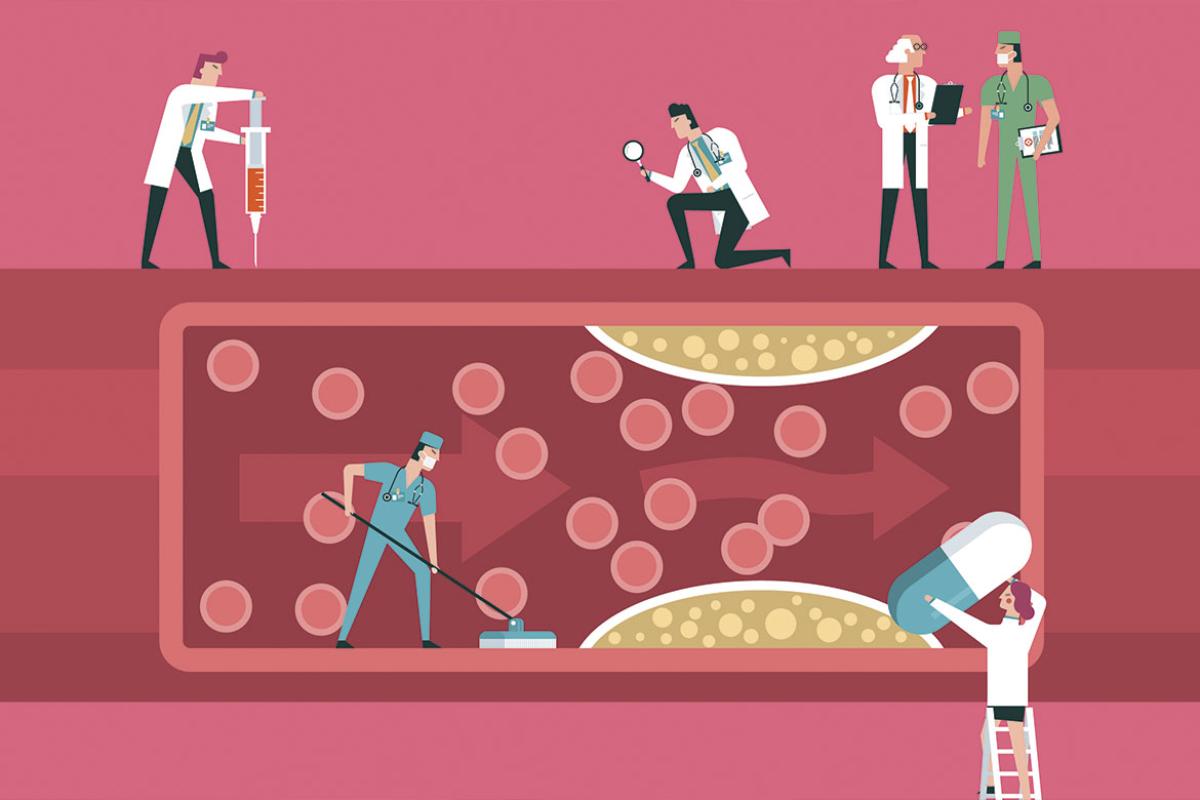
Policy furthers AMA's efforts to create medical school of the future

| 5 Min Read

HONOLULU — The American Medical Association (AMA) adopted policy during its Interim Meeting this week that builds on its efforts over the past four years to help prepare future physicians to care for patients in modern health systems. The new policy calls for medical students, residents and physicians to receive training in both lifestyle medicine and social determinants of health in undergraduate, graduate and continuing medical education.

To help reduce disparities in patient care, the policy will also help medical students and residents receive training regarding implicit bias, diversity and inclusion. Under the new policy, the AMA will work to identify and publicize effective strategies for educating residents in all specialties about disparities in their fields related to race, ethnicity, and all populations at increased risk, particularly regarding access to care and health outcomes. Additionally, the AMA will support research to identify the most effective strategies for educating physicians on how to eliminate disparities in health outcomes in all at-risk populations.

Full press release available when you sign in

Sign in to the AMA website to get the full version of this press release. 

AMA membership has its advantages

  • Be a part of the nation's largest physician organization
  • Play a role in shaping the future of health care
  • Enjoy exclusive perks and savings

Not a member? Become a member now.

 

FEATURED STORIES

Open palm and health care icons

Want to turn your physician expertise into enterprise? Apply now

| 3 Min Read
Parent holds young child during doctor's appointment

New CMS model brings ACO approach to care for kids at high risk

| 5 Min Read
Heart shape plate with healthy salad surrounded by fruit and vegetables

Why nutrition education must become core training for physicians

| 4 Min Read
Team of doctors diagnose giant human blood vessel

What doctors wish patients knew about the deadly risk of stroke

| 15 Min Read